
Achieving a clear complexion requires a shift from quick-fix mentalities toward consistent, science-backed habits that prioritize epidermal health. Real dermatological transformation does not happen overnight, but the visual shift from active breakouts to a calm, even skin tone is entirely possible with the right approach. When you look at a dermatological before and after, you are seeing the result of months of patience, barrier protection, and targeted ingredient selection rather than a single miracle product.

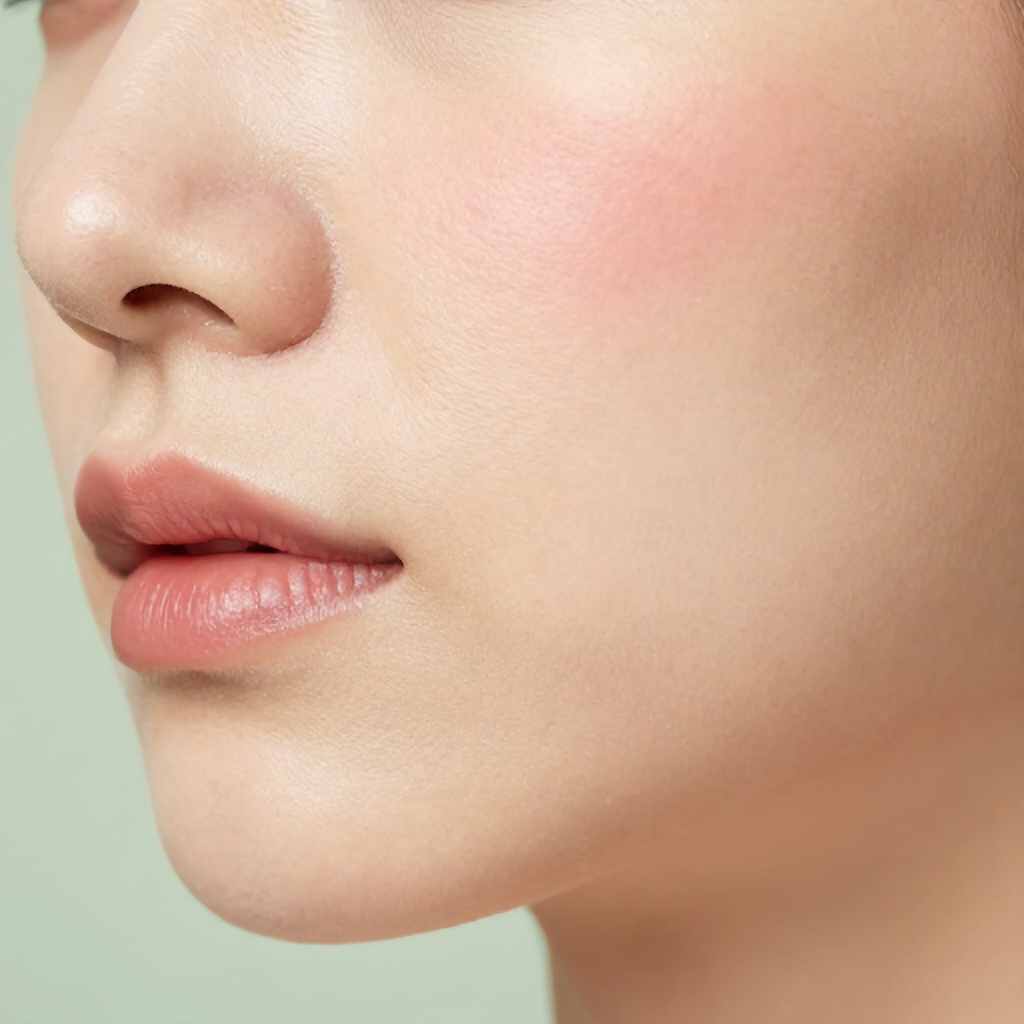
Understanding the Timeline of Skin Rejuvenation
Skin cells turn over roughly every 28 to 40 days, meaning your skin needs at least one full cycle to show the initial signs of improvement. When you start an acne management routine, the first few weeks often involve a period of adjustment. This is where many people quit, assuming the products are failing. In reality, the skin is purging, which is a natural process of bringing underlying congestion to the surface.
Inflammatory acne requires a different strategy than simple surface congestion. You are managing both the active infection and the lingering redness reduction that follows. If you rush the process with harsh physical scrubs or high-concentration acids, you risk damaging the moisture barrier. A compromised barrier leads to increased sensitivity, which makes acne inflammation worse. Focus on gentle cleansing and hydration to provide the foundation for healing.
The First Four Weeks
During the first month, your goal is stabilization. You might notice that your skin feels less oily or that the frequency of new breakouts begins to slow down. This is the phase where you establish your baseline. Avoid introducing five new products at once. If you experience a reaction, you will have no way of knowing which item caused the irritation. Stick to a basic cleanser, a non-comedogenic moisturizer, and your primary treatment.
- Use a pH-balanced cleanser that does not leave your skin feeling tight or stripped.
- Apply a lightweight moisturizer twice daily to support skin barrier restoration.
- Introduce active ingredients like salicylic acid or benzoyl peroxide slowly, perhaps every other night, to monitor tolerance.
- Prioritize sun protection every single morning, as UV exposure darkens post-inflammatory hyperpigmentation.
Identifying the Signs of Progress
True aesthetic skin improvement is measured by more than just the absence of pimples. You should look for subtle changes in skin texture improvement and overall luminosity. When the skin is healthy, it reflects light more evenly. If your skin looks dull or feels rough, it is often a sign that your exfoliation routine is either lacking or too aggressive.
Redness reduction is another key indicator that your treatment plan is working. When acne inflammation subsides, the skin tone begins to even out. This process takes time, as the skin needs to heal the micro-trauma caused by previous breakouts. If you notice that your skin feels softer to the touch and the size of your pores appears minimized, you are on the right track toward clinical skincare results.
Tracking Your Journey
Taking photos is the most practical way to track your dermatological progress. Lighting can play tricks on your perception, so try to take your photos in the same spot at the same time of day. Use a neutral background and avoid filters. When you look back at these images after three months, the changes in your skin surface refinement will be much more apparent than they are in the mirror every morning.
- Clean your phone camera lens to ensure the image is sharp and clear.
- Stand facing a window for consistent natural light.
- Take a front-facing shot and two side-profile shots to capture the full scope of your skin.
- Keep a simple log of the products you used during that week to correlate your results with your routine.
Managing Post-Treatment Skin and Scarring
Once the active acne is under control, the focus shifts to addressing the aftermath. Post-treatment skin often deals with dark spots or uneven texture. These marks are not always true scars; they are often just pigment changes that will fade with time and the right care. Patience is your greatest asset here. Using brightening agents like vitamin C or niacinamide can help speed up the process of complexion balancing.
If you have deeper texture issues, such as pitted scarring, topical products may have limitations. This is where professional intervention becomes relevant. A dermatologist can offer options like chemical peels, microneedling, or laser therapy to help with deeper skin surface refinement. These treatments work by stimulating collagen production, which helps fill in the depressions left by severe inflammatory acne.
The Role of Lifestyle in Skin Clarity
External products only account for half of the equation. Your internal health plays a significant role in how your skin responds to treatment. Hydration, sleep, and stress management all influence your hormone levels, which are directly linked to acne production. When you are chronically stressed, your body produces more cortisol, which can trigger excess oil production and lead to more breakouts.
Dietary choices also impact skin inflammation. While everyone has different triggers, many people find that reducing high-glycemic foods helps stabilize their complexion. Focus on whole foods, plenty of water, and healthy fats like omega-3s. These small adjustments support your skin from the inside out, making the external treatments more effective.
Common Mistakes to Avoid
Many people fall into the trap of over-treating their skin. If you see a blemish, the instinct is to apply every spot treatment you own. This usually results in a dry, flaky patch of skin that is even harder to cover with makeup. Instead, treat the area as you would a wound. Keep it clean, keep it hydrated, and let the skin heal itself.
- Do not pick or squeeze active breakouts, as this pushes bacteria deeper and increases the risk of scarring.
- Avoid using heavy, pore-clogging oils if you are prone to congestion.
- Do not skip moisturizer just because your skin feels oily; dehydration often causes the skin to produce even more oil to compensate.
- Be wary of social media trends that suggest using household items like toothpaste or lemon juice on your face.
Building a Sustainable Routine
The best routine is one you can actually stick to for the long term. If you have a ten-step process, you will likely skip it on busy nights. A simple, effective routine is far superior to a complex one that you only follow half the time. Focus on the core pillars: cleanse, treat, moisturize, and protect.
In the morning, your focus should be on protection. A gentle cleanser followed by a vitamin C serum and a broad-spectrum SPF is sufficient for most people. The SPF is non-negotiable. It prevents the darkening of acne marks and protects the skin barrier from environmental damage. In the evening, focus on repair. Cleanse thoroughly to remove the day’s debris, apply your active treatment, and finish with a nourishing moisturizer.
Selecting the Right Ingredients
When shopping for products, look for labels that specify non-comedogenic or oil-free. These terms indicate that the product is formulated to avoid clogging pores. If you are dealing with persistent acne, look for ingredients like adapalene, which is a retinoid that helps regulate cell turnover. For those with sensitive skin, azelaic acid is a fantastic option that targets both redness and bacteria without the irritation often associated with stronger retinoids.
Always check the ingredient list for potential irritants like synthetic fragrances or essential oils. These are common culprits for contact dermatitis, which can mimic the appearance of acne. If your skin feels itchy, red, or hot, stop using the new product immediately and return to your basic routine until the irritation subsides.
The Reality of Clinical Skincare Results
It is important to manage your expectations regarding what a clear complexion looks like. Skin is meant to have texture. Pores are a natural part of human anatomy and cannot be erased. The goal of acne management is to achieve a healthy, balanced state where breakouts are rare and the skin barrier is intact. Do not compare your real-life skin to filtered images online.
If you have been consistent with your routine for six months and see no improvement, it is time to consult a professional. A dermatologist can identify underlying issues such as hormonal imbalances or specific types of bacteria that require prescription-strength medication. There is no shame in seeking expert help; sometimes, the skin needs a stronger intervention to break the cycle of inflammation.
Maintaining Your Results
Once you have achieved your desired level of clarity, your routine should shift toward maintenance. You do not need to use high-strength acne treatments forever. You can often scale back to a lower frequency or switch to gentler maintenance products. The key is to keep the skin barrier healthy and hydrated so that it can defend itself against future breakouts.
Continue to monitor your skin for changes. If you notice a sudden increase in breakouts, look at your recent habits. Have you been traveling, changing your diet, or using a new laundry detergent? Often, the cause is environmental or lifestyle-related. By staying observant, you can catch potential issues before they turn into a full-blown breakout cycle.
Remember that your skin is a living organ that changes with the seasons, your age, and your environment. A routine that works in the summer may be too drying for the winter. Be prepared to adjust your moisturizer or the frequency of your exfoliation as needed. This flexibility is the hallmark of someone who truly understands their skin and knows how to keep it looking its best year-round.
Ultimately, the journey to a clear complexion is about building a relationship with your skin. When you treat it with kindness and consistency, it will respond. Focus on the long-term health of your epidermal barrier, and the aesthetic results will follow. You are not just trying to clear a blemish; you are cultivating a healthy, resilient complexion that will serve you well for years to come.
Stay patient, stay consistent, and keep your routine simple. The most effective transformations are those that are built on a foundation of daily care and realistic expectations. Your skin has the capacity to heal itself if you provide it with the right environment and the right tools. Keep your focus on the process, and the results will reveal themselves in time.