Common Causes of Facial Redness and Skin Inflammation Explained

Understanding the Roots of Facial Redness

Facial redness often stems from a breakdown in the skin barrier or an overactive inflammatory skin response. When your skin loses its natural ability to protect itself, external triggers easily penetrate the surface, leading to visible irritation and persistent flushing. This dermatological condition manifests in various ways, ranging from mild pinkness to deep, heat-radiating patches that feel tight or itchy. Identifying the specific cause requires looking at your daily habits, environmental exposures, and potential underlying health factors that influence your vascular skin reaction.

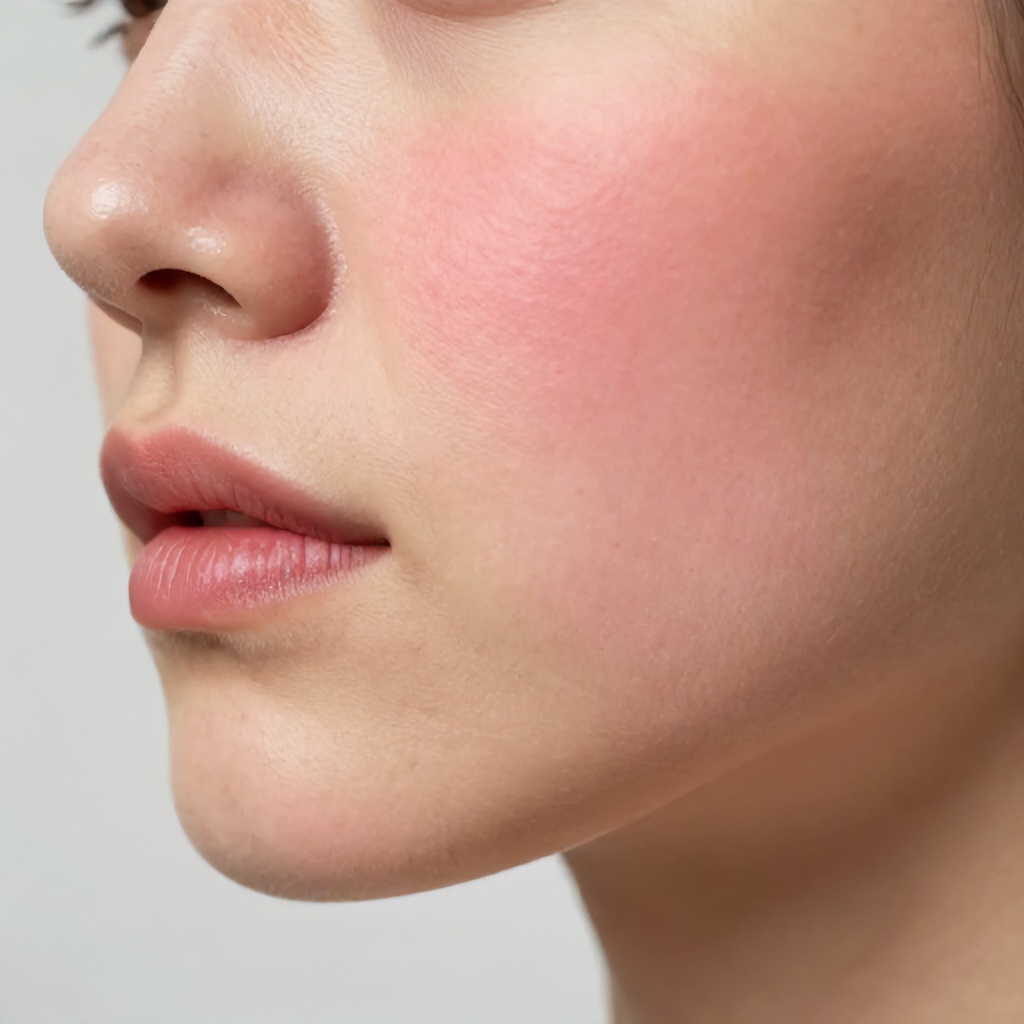
Many people mistake simple dryness for chronic inflammation. While a lack of moisture can cause surface flaking, true skin inflammation involves the dilation of blood vessels near the surface of the skin. This hyperemic skin appearance is the body’s way of sending more blood to an area it perceives as damaged or under attack. If you notice your face turning bright red after a hot shower, a spicy meal, or even a stressful meeting, you are likely witnessing a vascular response that has become hypersensitive over time.

Common Triggers for Facial Erythema

Facial erythema is not a single diagnosis but a clinical sign that something is disrupting your skin’s equilibrium. Environmental factors play a massive role in how your face reacts to the world. Ultraviolet radiation, extreme temperature fluctuations, and harsh wind can all strip the protective lipids from your epidermis. Once this barrier is compromised, the skin becomes vulnerable to epidermal irritation, which triggers a cascade of redness and discomfort.

The Role of Temperature and Environment

Extreme heat causes blood vessels to expand rapidly to help the body cool down. For those with sensitive skin, these vessels may not constrict back to their normal size as quickly as they should. This leads to lingering facial flushing that can last for hours. Cold weather is equally problematic. Moving from a freezing outdoor environment into a heated indoor space forces the skin to adjust its temperature regulation instantly. This rapid shift often results in a stinging sensation and a bright red complexion that feels hot to the touch.

Dietary and Lifestyle Influences

What you consume directly impacts your systemic inflammation levels. Spicy foods contain capsaicin, a compound that triggers heat receptors in the skin, leading to immediate vasodilation. Alcohol is another major culprit, as it acts as a vasodilator, widening the blood vessels and increasing blood flow to the face. Caffeine, while a staple for many, can also exacerbate skin sensitivity by increasing cortisol levels, which may indirectly worsen inflammatory skin response over time.

Rosacea Symptoms and Vascular Reactions

Rosacea is a common dermatological clinical presentation characterized by persistent redness, visible blood vessels, and sometimes small, pus-filled bumps. It is often misunderstood as simple acne, but the underlying mechanisms are entirely different. While acne is primarily driven by sebaceous activity and clogged pores, rosacea is fundamentally a vascular and inflammatory issue. Recognizing the difference is essential for choosing the right treatment path.

Identifying Telangiectasia

Telangiectasia refers to the small, widened blood vessels that become visible on the surface of the skin. These are often seen around the nose, cheeks, and chin. They appear as thin, red lines that do not fade when pressed. These vessels are a hallmark of chronic redness and indicate that the skin’s vascular network has lost some of its elasticity. Over time, these vessels can become more prominent if the skin is not protected from further irritation.

Managing Papules and Pustules

Some forms of rosacea involve papules and pustules that look like breakouts. Unlike typical whiteheads or blackheads, these bumps are usually tender and do not have a central plug of oil. They are the result of follicular inflammation, where the hair follicle becomes irritated and inflamed. Treating these requires a gentle approach. Harsh acne scrubs or high-concentration salicylic acid can actually worsen the situation by further damaging the skin barrier and increasing the inflammatory response.

Skin Barrier Impairment and Sensitivity

Your skin barrier is the outermost layer of your skin, consisting of cells and lipids that keep moisture in and irritants out. When this barrier is impaired, your skin becomes hyper-reactive. This is often referred to as skin sensitivity. You might notice that products you used for years suddenly cause burning or stinging. This is a clear sign that your barrier needs repair rather than more active treatment.

The Impact of Over-Exfoliation

Many skincare routines include aggressive exfoliation, such as physical scrubs or high-strength chemical peels. While these can brighten the skin temporarily, they often remove too much of the protective acid mantle. This leaves the skin raw and exposed to environmental pollutants. If your skin feels tight, looks shiny in an unnatural way, or burns upon application of even basic moisturizer, you have likely over-exfoliated. The best course of action is to stop all active ingredients and focus on barrier-repairing ceramides and fatty acids.

Choosing the Right Skincare

When dealing with cutaneous discoloration and inflammation, less is almost always more. Avoid products with heavy fragrances, essential oils, or denatured alcohol, as these are common triggers for contact dermatitis. Look for labels that mention soothing ingredients like colloidal oatmeal, niacinamide, or centella asiatica. These ingredients help calm the skin and support the natural healing process without adding extra stress to the epidermis.

Dermatological Assessment and Professional Care

If your facial redness is persistent, painful, or accompanied by swelling, it is time to seek a professional dermatological assessment. A doctor can distinguish between common conditions like rosacea, seborrheic dermatitis, or even systemic issues like lupus. Relying on self-diagnosis can lead to using the wrong products, which often makes the inflammation worse.

When to See a Professional

Consult a dermatologist if you notice the following signs:

  • Redness that does not subside after a few days of gentle care.
  • The presence of thickened skin, particularly around the nose.
  • Eye irritation, such as gritty sensations or redness in the eyes, which can be associated with ocular rosacea.
  • Bumps that do not respond to basic hygiene or that appear to be spreading.
  • A sudden, unexplained rash that is accompanied by fever or body aches.

Diagnostic Procedures

A dermatologist will examine your skin texture irregularities and the distribution of the redness. They may ask about your family history, as some inflammatory skin conditions have a genetic component. In some cases, they might perform a skin biopsy to rule out other dermatosis or autoimmune conditions. Understanding the specific nature of your skin’s reaction allows for a targeted approach, whether that involves prescription topicals, oral medications, or laser therapies designed to reduce visible blood vessels.

Practical Steps for Daily Management

Managing facial redness requires consistency and patience. Because the skin barrier takes time to rebuild, you should not expect overnight results. Focus on creating a stable environment for your skin to heal. This means protecting it from the sun, keeping it hydrated, and avoiding known triggers that cause your specific vascular skin reaction.

  1. Use a gentle, non-foaming cleanser that does not strip natural oils.
  2. Apply a broad-spectrum sunscreen every single day, even when it is cloudy.
  3. Keep your skincare routine simple: cleanser, moisturizer, and sunscreen.
  4. Avoid hot water when washing your face; stick to lukewarm temperatures.
  5. Keep a journal to track what you eat and how your skin reacts to identify personal triggers.
  6. Use a humidifier in your bedroom if you live in a dry climate or use central heating.
  7. Pat your skin dry with a soft towel instead of rubbing it.

The Connection Between Inflammation and Lifestyle

Chronic inflammation is rarely just a skin-deep issue. Your internal health, stress levels, and sleep quality all contribute to how your body manages inflammation. High stress increases cortisol, which can lead to increased sebaceous activity and a weakened immune response in the skin. Prioritizing rest and stress management is a practical, often overlooked aspect of skin health. When your body is under chronic stress, it is less efficient at repairing the microscopic damage that occurs to your skin barrier every day.

Hydration and Nutrition

Drinking enough water is essential for maintaining the structural integrity of your skin cells. While drinking water won’t cure rosacea, dehydration makes the skin look dull and emphasizes texture irregularities. Focus on an anti-inflammatory diet rich in omega-3 fatty acids, which are found in fish, walnuts, and flaxseeds. These healthy fats help support the lipid barrier of the skin from the inside out. Limit processed sugars and refined carbohydrates, as these can spike insulin levels and potentially trigger inflammatory pathways throughout the body.

Managing Heat Exposure

If you enjoy exercise, try to work out in a cool environment. High-intensity interval training in a hot room can be a major trigger for facial erythema. Opt for swimming or yoga in a well-ventilated space. If you feel your face getting hot during a workout, use a cool, damp cloth to gently pat your skin. This helps dissipate the heat and prevents the blood vessels from staying dilated for too long after your session ends.

Long-Term Outlook for Sensitive Skin

Living with a tendency toward facial redness does not mean you are destined for permanent discomfort. Many people successfully manage their symptoms by identifying their unique triggers and adjusting their lifestyle accordingly. The goal is to move from a state of reactive skin to a state of resilient skin. This involves learning to listen to your skin’s signals and responding with kindness rather than force.

Avoid the temptation to cover up redness with heavy, occlusive makeup that might clog pores or trap heat. If you choose to wear cosmetics, opt for mineral-based formulas that are designed for sensitive skin. These products are less likely to cause further epidermal irritation. Always remove makeup thoroughly at the end of the day using a gentle, oil-based cleanser that does not require vigorous scrubbing.

Consistency is the most powerful tool you have. By maintaining a stable routine and protecting your skin from the harsh elements of the environment, you can significantly reduce the frequency and intensity of your flare-ups. Remember that your skin is an organ, and it needs time to recover from damage. Be patient with the process, and focus on the long-term health of your skin barrier rather than seeking a quick fix for temporary redness.

Summary of Best Practices

To keep your skin calm and healthy, prioritize protection and hydration. Avoid harsh chemicals that disrupt your natural balance. If you are unsure about the cause of your redness, consult a professional to ensure you are not dealing with a condition that requires medical intervention. By understanding the mechanisms behind your skin’s inflammatory response, you can take control of your skincare and enjoy a more comfortable, balanced complexion.

Keep your environment in mind, as temperature and humidity play a massive role in how your skin behaves. Protect yourself from the sun, manage your stress, and nourish your body with anti-inflammatory foods. These small, daily choices add up to a significant improvement in your skin’s overall health and appearance. Your skin is a reflection of your overall well-being, and treating it with care is a vital part of your health routine.

Finally, do not get discouraged by occasional flare-ups. Even with the best care, environmental factors can sometimes cause a reaction. The key is to return to your gentle, baseline routine as quickly as possible and avoid the urge to experiment with new, harsh products when your skin is already compromised. With a steady hand and a focus on barrier health, you can maintain a clear and comfortable complexion for years to come.
Understanding Facial Skin Texture and Pore Visibility in Macro Photography

Understanding Skin Surface Morphology

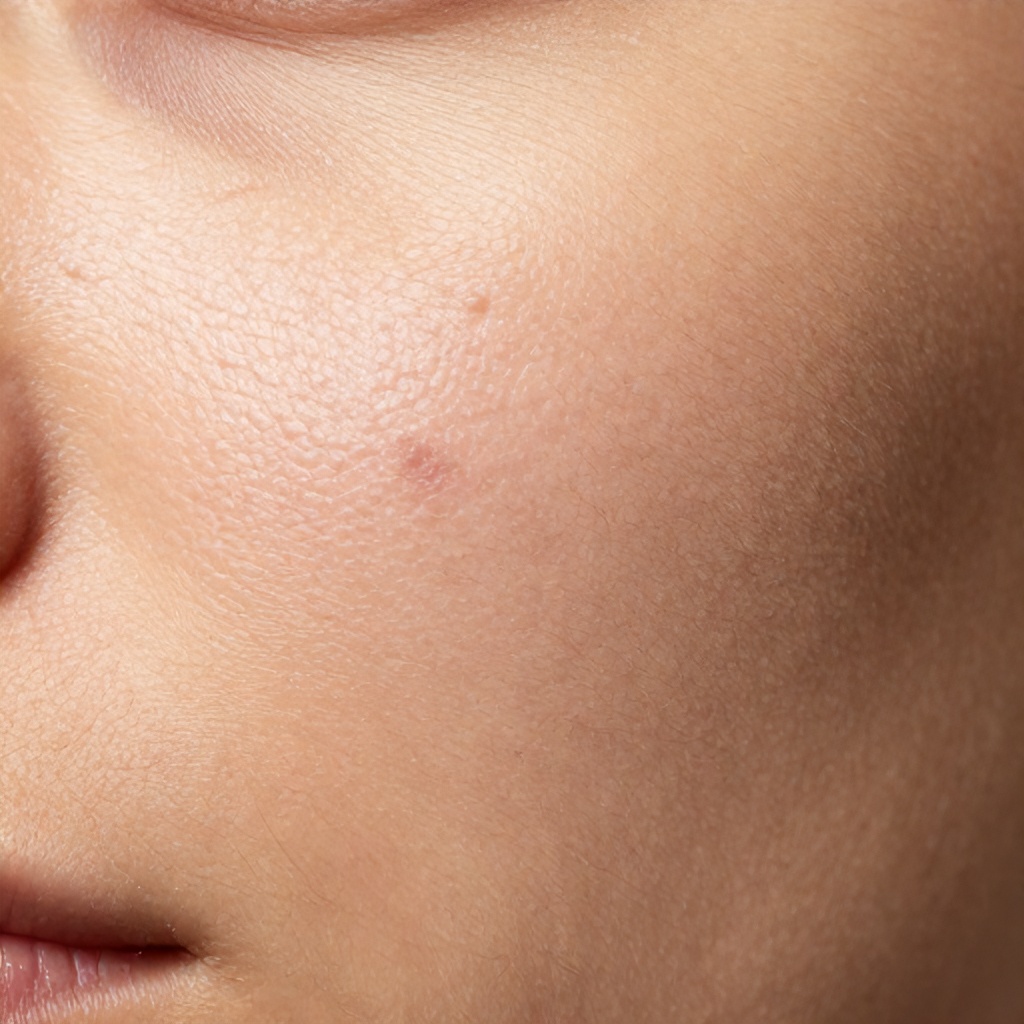
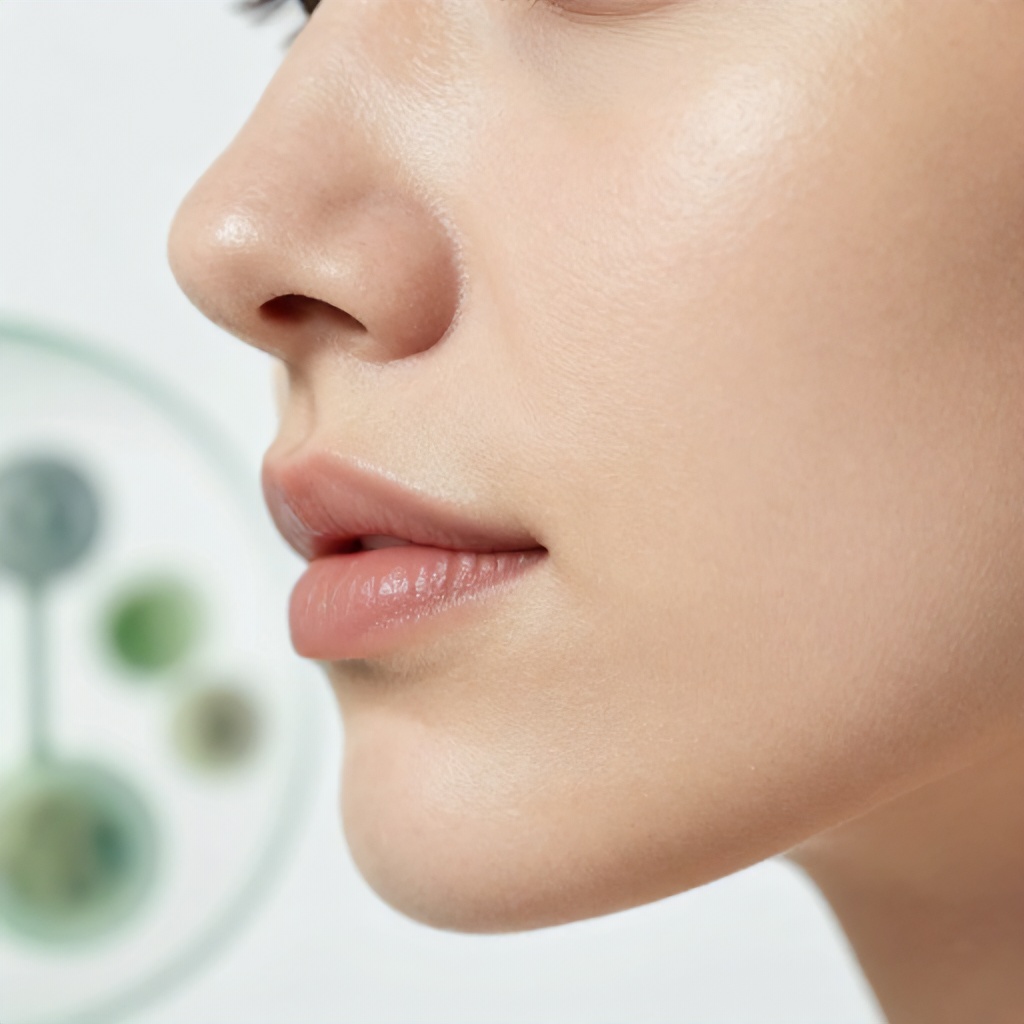
Pores are a natural, functional part of your facial complexion, yet high-resolution skin imaging often makes them appear larger or more irregular than they truly are. When you look at macro photography of skin, you see the reality of your skin surface morphology, which includes tiny peaks, valleys, and hair follicles. Most people mistake this normal epidermal texture for a skin flaw. Your skin is not a smooth, airbrushed surface, but a living organ with a complex topography that changes based on hydration, lighting, and sebum production.

Dermatological analysis confirms that what you see in close-up photos is often a combination of natural skin grain and light scattering. Shadows cast by the uneven surface of your skin can make pores look deeper or wider than they appear to the naked eye. Recognizing that skin texture is a standard health marker helps shift the focus from chasing an impossible, plastic-like finish to maintaining a healthy, resilient barrier.

Factors Influencing Pore Visibility

Pore size is largely determined by genetics, but several external factors influence how prominent they look in your daily visual skin assessment. Sebum-related pore appearance is the most common concern, as oil trapped within the follicle can stretch the opening and make it look darker against the surrounding skin. When oil oxidizes, it creates a visible contrast, drawing more attention to the pore than if it were clear.

The Role of Collagen and Elasticity

As skin ages, the structural support around the follicle weakens. Collagen and elastin provide the scaffolding that keeps pores tight and small. When these proteins degrade, the skin loses its firmness, causing the pore to look oval or elongated rather than circular. This loss of elasticity is a primary driver of increased pore visibility in clinical skin evaluation. Protecting your skin from UV radiation is the most effective way to preserve this structural integrity over time.

Hydration and Plumping

Dehydrated skin looks dull and highlights surface irregularities. When skin cells lack sufficient water, they shrink, which makes the surrounding skin texture look rougher and more pronounced. Proper hydration acts like a filler, plumping the cells so the skin surface appears more uniform. A well-hydrated face reflects light evenly, which naturally softens the appearance of pores and fine lines.

Practical Approaches to Skin Refinement

Improving the appearance of your complexion requires a consistent routine rather than a single miracle product. Focus on keeping follicles clear and supporting the skin barrier to manage textural contrast. Small, incremental changes usually yield the most sustainable results for your skin health.

  1. Use gentle chemical exfoliants like salicylic acid to clear out the debris inside the pore. This prevents sebum from stretching the follicle opening.
  2. Apply niacinamide to help regulate oil production and improve the overall look of skin grain.
  3. Prioritize sun protection daily. UV rays break down the collagen that keeps pores looking tight.
  4. Choose non-comedogenic moisturizers that provide hydration without clogging the pores.
  5. Cleanse your face thoroughly every evening to remove pollutants and makeup that can settle into the skin surface.

Managing Expectations with Close-Up Images

Macro photography captures details that are invisible during normal social interaction. When you view your skin at ten times its actual size, you are looking at cutaneous detail that no one else sees. This creates a distorted perception of your own facial aesthetics. Normal skin has a visible grain, and that is a sign of a healthy, functioning barrier.

If you find yourself obsessing over high-resolution images, try to step back. Evaluate your skin from a distance of two feet in a mirror, which is how people actually see you. If your skin feels comfortable, isn’t breaking out, and has a healthy glow, the textural details you see in a zoomed-in photo are likely just normal anatomy. Complexion uniformity is a goal, but perfection is an illusion created by digital filters and lighting.

When to Consult a Professional

Sometimes, what appears to be large pores is actually a sign of other skin conditions. If you notice significant changes in your skin surface morphology, such as bumps that do not go away or persistent redness, a dermatological imaging session with a professional might be helpful. They can determine if your concerns are related to simple sebum buildup or if there is an underlying issue like rosacea or chronic inflammation.

  • Persistent acne that leaves scarring or pits.
  • Sudden changes in skin texture that do not respond to basic skincare.
  • High levels of inflammation around the nose or cheeks.
  • Concerns about specific skin growths or irregular pigmentations.

Professional treatments like chemical peels or laser therapy can assist with skin refinement by stimulating collagen production and resurfacing the top layer of the epidermis. However, these are maintenance procedures, not permanent fixes. Your daily habits, such as eating a balanced diet, drinking enough water, and getting adequate sleep, remain the foundation of your skin health markers.

The Impact of Lighting on Texture

Lighting is the most significant factor in how skin is perceived. Direct, harsh light—especially light coming from the side—will highlight every bump and pore, creating deep shadows that exaggerate textural contrast. This is why many professional photos are taken with soft, diffused light that fills in those shadows and creates a smoother look.

If you are taking photos of your own skin, notice how moving your face toward or away from a window changes the visibility of your pores. You might find that your skin looks completely different under fluorescent office lights compared to natural morning light. Understanding these variations helps you stop judging your skin based on a single, unflattering photograph. Your skin is dynamic, and its appearance will shift throughout the day based on your environment, your activity level, and the products you have applied.

Building a Sustainable Routine

Avoid the temptation to over-scrub or use harsh physical exfoliants. These can damage the skin barrier, leading to increased sensitivity and inflammation, which actually makes pores look worse. Instead, focus on ingredients that support skin health from the inside out. Retinoids are often recommended for long-term skin refinement, as they increase cell turnover and help keep the pore lining clear.

Introduce new products slowly to ensure your skin tolerates them. Start with a basic cleanser, moisturizer, and sunscreen. Once your skin is stable, add a targeted treatment for texture. Consistency is the primary factor in seeing results. It takes weeks for skin cells to cycle, so give your routine time to work before deciding if a product is effective. By focusing on the health of your skin rather than the visual perfection of your pores, you will achieve a complexion that looks and feels its best.

Understanding the Timeline for Effective Acne Treatment and Skin Repair

Effective acne management relies on patience, consistency, and a realistic understanding of how skin cells actually turn over. When you look at those dramatic before and after photos online, you are seeing the result of months of cellular repair, not an overnight miracle. Achieving a clear complexion requires a shift from treating individual spots to supporting the overall health of your skin barrier. True skin clarity happens when you stop fighting your skin and start providing the specific tools it needs to regulate oil production and shed dead cells efficiently.

The Reality of Skin Transformation Timelines

Skin cells typically follow a cycle that lasts between twenty-eight and forty days. This biological fact explains why you cannot judge a new routine after just three days of use. When you start a new regimen for acne-prone skin, the first few weeks often involve a period of adjustment. During this phase, your skin might purge, which is simply the process of bringing underlying congestion to the surface faster than usual. This is a normal part of dermatological progress, even if it feels like a step backward.

Patience is the most difficult ingredient in any skincare transformation. Most clinical studies on acne treatments show that significant blemish reduction becomes visible around the three-month mark. By this time, your skin has completed at least two full turnover cycles. You will notice that the frequency of new breakouts decreases, and the intensity of existing inflammation subsides. This is the foundation of long-term epidermal health.

Stages of Visual Skin Analysis

Monitoring your progress requires more than just a glance in the mirror. You should take photos in the same lighting, at the same time of day, every two weeks. This objective approach helps you see the subtle shifts in skin texture refinement that are easy to miss when you look at your reflection daily.

  • Weeks 1-4: The adjustment phase where your skin barrier restoration begins. You might see minor irritation or increased dryness as the skin adapts to active ingredients.
  • Weeks 5-8: Inflammation starts to calm down. Redness around active spots fades, and the skin begins to look more uniform in tone.
  • Weeks 9-12: This is when you see the most dramatic changes. Pore minimization becomes more apparent, and the overall surface feels smoother to the touch.
  • Months 3-6: Maintenance and refinement. The focus shifts from active breakout prevention to fading post-inflammatory hyperpigmentation and improving overall skin surface smoothing.

Core Components of an Effective Routine

A successful routine for acne management does not need to be complicated. In fact, layering too many active ingredients often leads to a compromised barrier, which ironically triggers more breakouts. You need a balance of gentle cleansing, targeted treatment, and intense hydration. If your skin feels tight or squeaky clean after washing, your cleanser is likely too harsh, stripping away the natural oils that keep your barrier resilient.

Look for products that support the skin rather than just attacking the bacteria. Ingredients like salicylic acid are excellent for pore minimization because they are oil-soluble, meaning they can penetrate deep into the follicle to clear out debris. On the other hand, retinoids are the gold standard for long-term skin resurfacing. They encourage faster cell turnover, which prevents dead skin cells from clumping together and forming new clogs.

The Role of Hydration in Acne Management

Many people with oily or acne-prone skin make the mistake of skipping moisturizer. This is a counterproductive habit. When you dehydrate your skin, it compensates by producing even more oil, which can lead to further congestion. A lightweight, non-comedogenic moisturizer acts as a protective seal, keeping the skin supple and preventing the irritation that often accompanies acne treatments. Think of hydration as the buffer that allows your active ingredients to work without causing excessive peeling or redness.

Addressing Skin Texture Refinement

Beyond just stopping breakouts, many people seek treatment to improve the overall look and feel of their skin. Acne often leaves behind uneven texture, enlarged pores, and scarring. Facial skin rejuvenation is possible, but it requires a different set of tools than those used for active inflammatory acne. Chemical exfoliation, when done correctly, is one of the most effective ways to achieve a smoother surface.

Exfoliation works by dissolving the glue that holds dead skin cells to the surface. When these cells are removed, the skin looks brighter and feels softer. However, over-exfoliation is a common trap. If you notice your skin becoming shiny, sensitive, or prone to stinging, you are likely exfoliating too often. Stick to a schedule that respects your skin’s sensitivity, usually two to three times per week for chemical exfoliants, rather than daily scrubbing.

Managing Post-Treatment Appearance

Once the active breakouts have subsided, you are left with the task of complexion correction. Post-inflammatory hyperpigmentation, or those dark spots left behind by old pimples, can take months to fade on their own. Using ingredients like niacinamide, vitamin C, or azelaic acid can speed up this process significantly. These ingredients work by inhibiting excess pigment production and brightening the skin tone.

Sun protection is non-negotiable during this phase. UV rays darken existing acne scars, making them stay visible for much longer. A daily broad-spectrum sunscreen is the most important step in your routine for ensuring that your hard-earned results actually last. Without it, you are essentially undoing the work of your other treatments every time you step outside.

Common Pitfalls in Skincare Transformation

Consistency is often derailed by the temptation to try every new product that hits the market. When you switch products too frequently, you never give your skin a chance to stabilize. This “product hopping” is a major barrier to achieving dermatological results. Stick to a simple, effective routine for at least three months before deciding if it works for you.

Another common mistake is picking or squeezing spots. While it is tempting to try to remove a blemish manually, this almost always leads to deeper inflammation and scarring. When you break the skin, you introduce bacteria and increase the risk of permanent marks. Instead, use a hydrocolloid patch to draw out impurities and protect the area from your fingers.

When to Seek Professional Help

Sometimes, over-the-counter solutions are not enough. If you have deep, painful, cystic acne, or if your breakouts are leaving permanent scars, it is time to consult a professional. Aesthetic dermatology offers options that go beyond what you can buy in a store. Procedures like chemical peels, laser therapy, or prescription-strength topical treatments can provide a level of skin resurfacing that is difficult to achieve at home.

  1. Assess your current skin condition and identify your primary concerns, such as active breakouts, scarring, or uneven texture.
  2. Consult with a dermatologist to rule out underlying hormonal issues or other medical conditions that might be contributing to your acne.
  3. Follow the prescribed treatment plan strictly, even if you do not see immediate results.
  4. Keep a journal of your skin’s reaction to different products to identify any potential triggers or sensitivities.
  5. Adjust your routine based on seasonal changes, as your skin’s needs will shift between summer and winter.

The Science of Barrier Restoration

Your skin barrier is the outermost layer of your skin, and it acts as a shield against environmental stressors and bacteria. When this barrier is damaged, your skin becomes vulnerable to inflammation and infection. Many acne treatments, especially those containing high concentrations of benzoyl peroxide or retinoids, can weaken this barrier if used incorrectly. This is why incorporating ceramides, fatty acids, and cholesterol into your routine is so important.

These ingredients mimic the natural lipids found in your skin, helping to repair the gaps in your barrier and lock in moisture. When your barrier is healthy, your skin is better able to tolerate the active ingredients needed to treat acne. This balance is the secret to successful long-term skin clarity. You are not just treating the acne; you are building a stronger, more resilient foundation for your skin.

Long-Term Maintenance for Clear Skin

Once you have achieved your desired results, the goal shifts to breakout prevention. You do not necessarily need to stop using your acne-fighting products, but you might be able to reduce the frequency of their use. Many people find that a maintenance routine involves using a retinoid a few nights a week and a gentle cleanser and moisturizer daily. This keeps the pores clear and the cell turnover rate steady without over-stressing the skin.

Pay attention to your lifestyle factors as well. While diet and stress are not the sole causes of acne, they can certainly exacerbate it for some people. Keeping a balanced diet, managing stress levels, and ensuring you get enough sleep all contribute to your overall health, which is reflected in your skin. Your skin is an organ, and it responds to how you treat your body as a whole.

Understanding Ingredients for Skin Clarity

Navigating the world of skincare ingredients can feel overwhelming, but focusing on a few proven performers makes the process much easier. Salicylic acid is a beta-hydroxy acid that works by exfoliating inside the pore. It is ideal for those with blackheads and whiteheads. Benzoyl peroxide is an antibacterial agent that kills the bacteria responsible for inflammatory acne. It is very effective but can be drying, so it is best used as a spot treatment or in a wash-off formula.

Retinoids, such as adapalene or prescription-strength tretinoin, are the heavy hitters. They increase cell turnover and prevent the buildup of dead skin cells. They are the most effective tool for long-term acne management and skin texture refinement. If you are new to retinoids, start slowly—perhaps twice a week—and gradually increase the frequency as your skin builds tolerance. This approach minimizes the risk of irritation and helps you reach your goals safely.

The Psychological Aspect of Skin Transformation

The journey to clearer skin is as much about your mindset as it is about your routine. It is easy to become discouraged when you do not see the results you want immediately. Remember that your skin is a living organ that changes constantly. Some days will be better than others, and that is perfectly okay. Focus on the progress you have made, even if it feels small.

Celebrate the small wins, like a reduction in redness or a smoother texture in a specific area. These are signs that your efforts are working. By focusing on the process rather than just the final result, you will find it much easier to stay consistent. Your skin will thank you for the patience and care you provide, and the results will be well worth the wait.

Final Thoughts on Your Skincare Journey

Achieving a clear complexion is a marathon, not a sprint. By focusing on gentle, consistent care and understanding the science behind your skin, you can achieve lasting results. The transformation you see in the mirror is a reflection of the commitment you make to your skin’s health every single day. Stay the course, listen to your skin, and enjoy the process of watching your complexion improve over time.

Remember that everyone’s skin is unique, and what works for one person might not work for another. Do not be afraid to experiment with different products until you find the combination that works best for your specific needs. With the right approach, you can manage your acne effectively and enjoy the confidence that comes with healthy, clear skin. Your skin has the ability to heal and regenerate, and with the right support, you can help it reach its full potential.

Exit mobile version