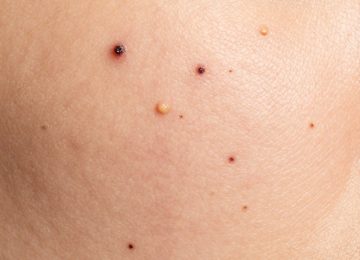
A Closer Look at Those Dark Pores on Light, Peachy Skin
Understanding the appearance of dark pores on light, peachy skin involves recognizing the natural structure of human skin and how it interacts with light and pigment.
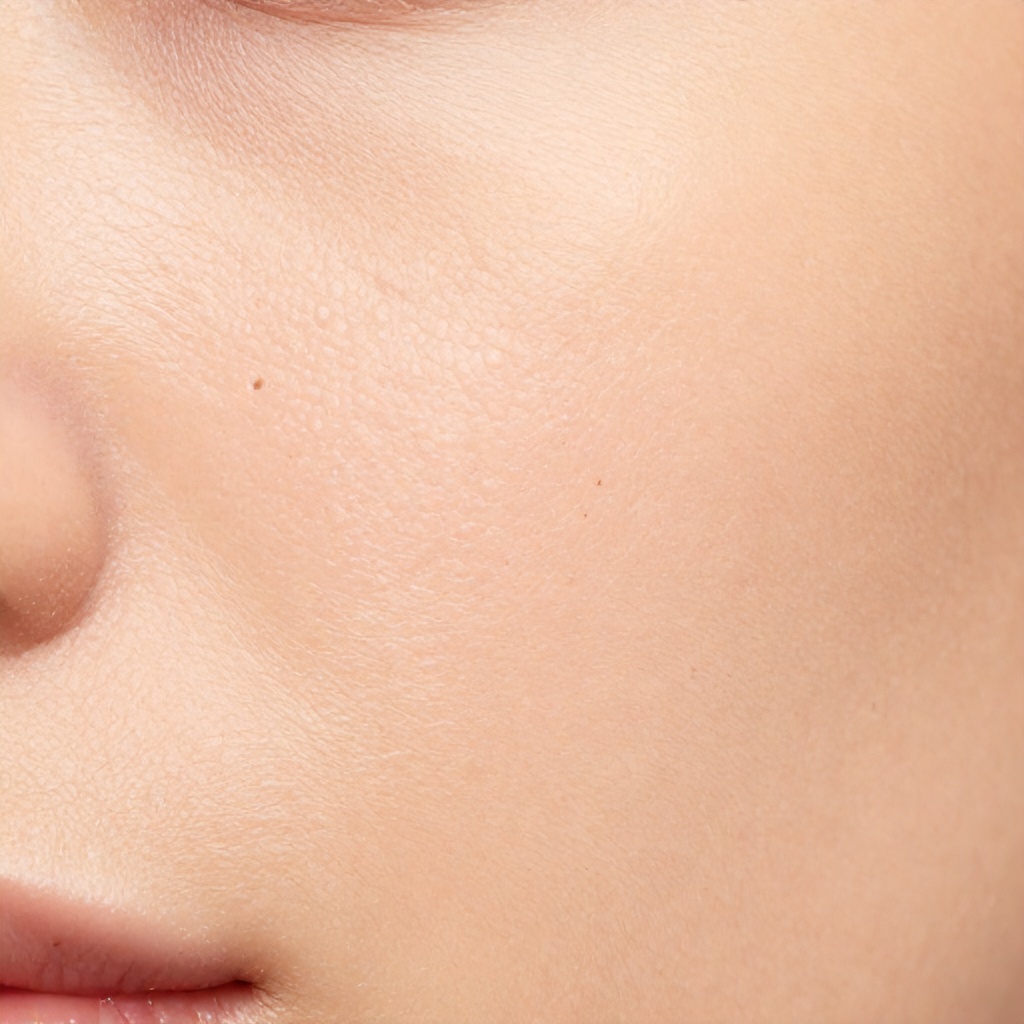
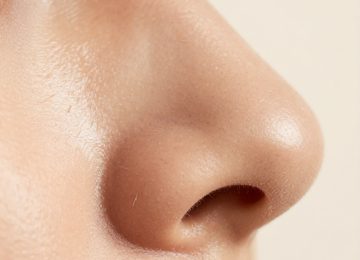
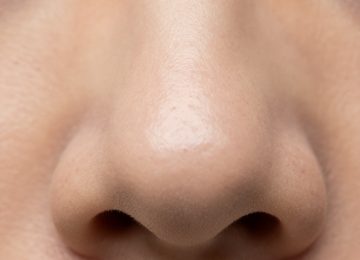
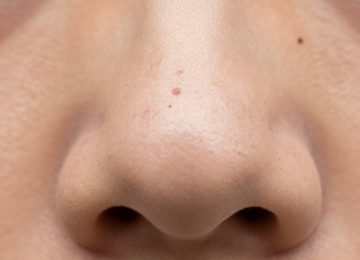
When you zoom in on light, peachy skin, those dark pore spots you notice are often a combination of the pore’s natural shadow, the presence of sebum, and sometimes oxidized melanin or debris. It’s not usually a sign of something inherently wrong, but rather a visual effect. The epidermis, the outermost layer of our skin, is relatively translucent, especially on lighter skin tones. This means that what’s happening just beneath the surface can become more apparent. Think of it like looking through a sheer curtain; you can see the shapes and colors behind it.
The skin surface is dotted with thousands of these tiny openings, which are the mouths of our facial pores. Each pore is an entrance to a hair follicle and a sebaceous gland. The sebaceous gland’s job is to produce sebum, an oily substance that lubricates and protects the skin. On light skin, the contrast between the pore opening and the surrounding skin can be more pronounced, making these features stand out. The peachy undertones of this skin type can also play a role in how the light reflects, sometimes emphasizing shadows within the pores.
The Anatomy of a Pore
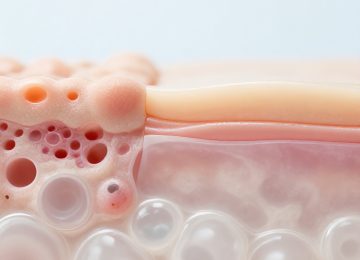
To truly grasp why a dark pore looks the way it does, we need to understand its basic anatomy. Every pore is connected to a hair follicle, which is where a hair grows. Crucially, it’s also connected to a sebaceous gland. This gland is a tiny, oil-producing factory embedded in the dermis, the layer of skin beneath the epidermis. The sebum it produces travels up the follicle and out through the pore to the skin surface.
This sebum is essential for healthy skin. It helps to keep the skin moisturized, supple, and protected from environmental factors. However, the amount of sebum produced can vary significantly from person to person and even fluctuate due to hormones, diet, and stress. On light skin, the oil itself, especially when it mixes with dead skin cells and other debris, can appear darker within the pore opening, creating that characteristic dark spot.
The pore size itself is also a factor. Genetics plays a huge role in determining how large your pores are. Some people naturally have larger pores, which are more visible. On a light, peachy skin tone, these larger pores might appear more prominent, and the contents within them can cast a more noticeable shadow.
Why Do They Appear Dark?
The darkness you see isn’t typically due to dirt being “stuck” in the pore in the way many people imagine. Instead, it’s often a combination of factors that create a visual shadow and color contrast.
- Sebum and Debris: As mentioned, sebum is an oily substance. When it fills a pore, it can catch light differently than the surrounding skin. If dead skin cells, microscopic bits of makeup, or environmental pollutants mix with this sebum, the mixture can oxidize and darken. This is particularly true for the contents of pores on the face, which are more exposed.
- Oxidation: When the sebum and cellular debris within the pore come into contact with air, they can undergo a process called oxidation. This is similar to how a cut apple turns brown. This oxidation can lead to a darkening of the pore’s contents, making them appear more prominent against the lighter skin tone.
- Melanin: While less common as the primary cause of a “dark pore” appearance, melanin, the pigment that gives skin its color, can also play a role. The follicular opening itself can sometimes contain a small amount of melanin, especially in individuals with certain undertones. On light skin, even a slight increase in pigment can create a noticeable contrast.
- Shadowing: The physical structure of the pore, especially if it’s slightly enlarged or has a bit of material within it, can create a small shadow. On light, peachy skin, this shadow can appear more distinct because of the lack of strong underlying pigment to camouflage it. Think about how shadows are more visible on a pale wall than on a dark one.
It’s important to differentiate between a dark pore and a blackhead. Blackheads are a type of acne where the pore is open to the surface, and the trapped sebum and dead skin cells have oxidized, giving them a black or dark brown appearance. However, many pores that appear “dark” are simply filled with sebum that has oxidized slightly and are not necessarily clogged in a way that would lead to acne. This is a subtle but important distinction in understanding skin imperfections.
The Role of Skin Tone and Texture
The specific characteristics of light, peachy skin make these micro-details more visible. Light skin tones have less melanin, the pigment that gives skin its color and offers a degree of natural protection and visual camouflage. This means that the natural variations in skin structure, including pore size and the contents of pores, are more easily observed.
Peachy undertones often involve a combination of pink, yellow, and sometimes a hint of red. This can influence how light reflects off the skin surface. In some lighting conditions, these undertones can enhance the appearance of shadows within pores, making them seem darker than they might on a cooler or warmer skin tone. The overall skin texture also plays a part. Smoother, finer skin textures might make pores appear more defined, while rougher textures might camouflage them slightly.
Understanding your specific skin tone and its undertones can help you appreciate how your pores appear. What looks like a prominent dark pore on one person might be barely noticeable on another, even if they have similar pore sizes. It’s all about the interplay of light, pigment, and skin structure.
Managing the Appearance of Pores
While you can’t change your genetics or the fundamental structure of your pores, there are ways to manage their appearance and keep them looking their best. The goal isn’t necessarily to make them disappear entirely, as pores are a natural and necessary part of healthy skin, but rather to minimize the visual impact of darkness and debris.
Cleansing Practices
Effective cleansing is the cornerstone of managing pore appearance. The right approach can help remove excess sebum, makeup, and environmental debris before they have a chance to oxidize and darken within the pore.
- Double Cleansing: Especially if you wear makeup or sunscreen, starting with an oil-based cleanser or micellar water can effectively break down oil-based impurities. Follow this with a water-based cleanser to remove any remaining residue. This thorough approach ensures a cleaner skin surface.
- Gentle Exfoliation: Regular, gentle exfoliation is key. Chemical exfoliants like alpha-hydroxy acids (AHAs) or beta-hydroxy acids (BHAs) are particularly effective. BHAs, such as salicylic acid, are oil-soluble and can penetrate into the pores to help break down sebum and dead skin cells. AHAs, like glycolic acid, work on the skin’s surface to slough away dead skin cells. Start with a low concentration and use them a few times a week to avoid over-exfoliation.
- Avoid Harsh Scrubbing: While it might seem intuitive to scrub away debris, harsh physical scrubbing can irritate the skin, potentially leading to inflammation and even making pores appear larger or more noticeable. Stick to gentle methods.
Skincare Ingredients to Look For
Certain ingredients in your skincare routine can significantly improve the appearance of pores.
- Salicylic Acid (BHA): As mentioned, this is a powerhouse for pore care. It exfoliates inside the pore, reducing the buildup that can lead to a darkened appearance.
- Niacinamide: Also known as Vitamin B3, niacinamide is a multi-tasker. It can help regulate sebum production, improve the skin’s barrier function, and has anti-inflammatory properties. It can also help to reduce the appearance of enlarged pores over time.
- Retinoids: Prescription retinoids (like tretinoin) and over-the-counter retinol are excellent for cell turnover. By speeding up the shedding of dead skin cells, they can prevent pores from becoming clogged and help to refine skin texture, making pores less noticeable. Start slowly with retinoids as they can cause initial irritation.
- Clay Masks: Periodically using a clay mask can help to draw out excess oil and impurities from the pores, giving them a temporarily cleaner and less noticeable look.
When to Consult a Professional
For the most part, the appearance of dark pores on light, peachy skin is a normal variation of human skin. However, if you notice significant changes, persistent inflammation, or if you’re concerned about specific skin conditions, consulting a dermatologist or a qualified skincare professional is always a good idea. They can provide personalized advice based on your unique skin structure and concerns.
Dermatology offers advanced treatments that can address more persistent pore issues, such as chemical peels, microdermabrasion, or laser treatments, which can improve overall skin texture and reduce the visibility of pores. They can also help diagnose and treat underlying skin conditions that might be contributing to pore appearance.
Ultimately, embracing your skin’s natural texture, including the appearance of its pores, is part of healthy self-care. Understanding the science behind what you see, especially on a light, peachy skin surface, empowers you to choose the most effective and gentle ways to care for your complexion.