
Understanding Skin Surface Morphology
Pores are a natural, functional part of your facial complexion, yet high-resolution skin imaging often makes them appear larger or more irregular than they truly are. When you look at macro photography of skin, you see the reality of your skin surface morphology, which includes tiny peaks, valleys, and hair follicles. Most people mistake this normal epidermal texture for a skin flaw. Your skin is not a smooth, airbrushed surface, but a living organ with a complex topography that changes based on hydration, lighting, and sebum production.

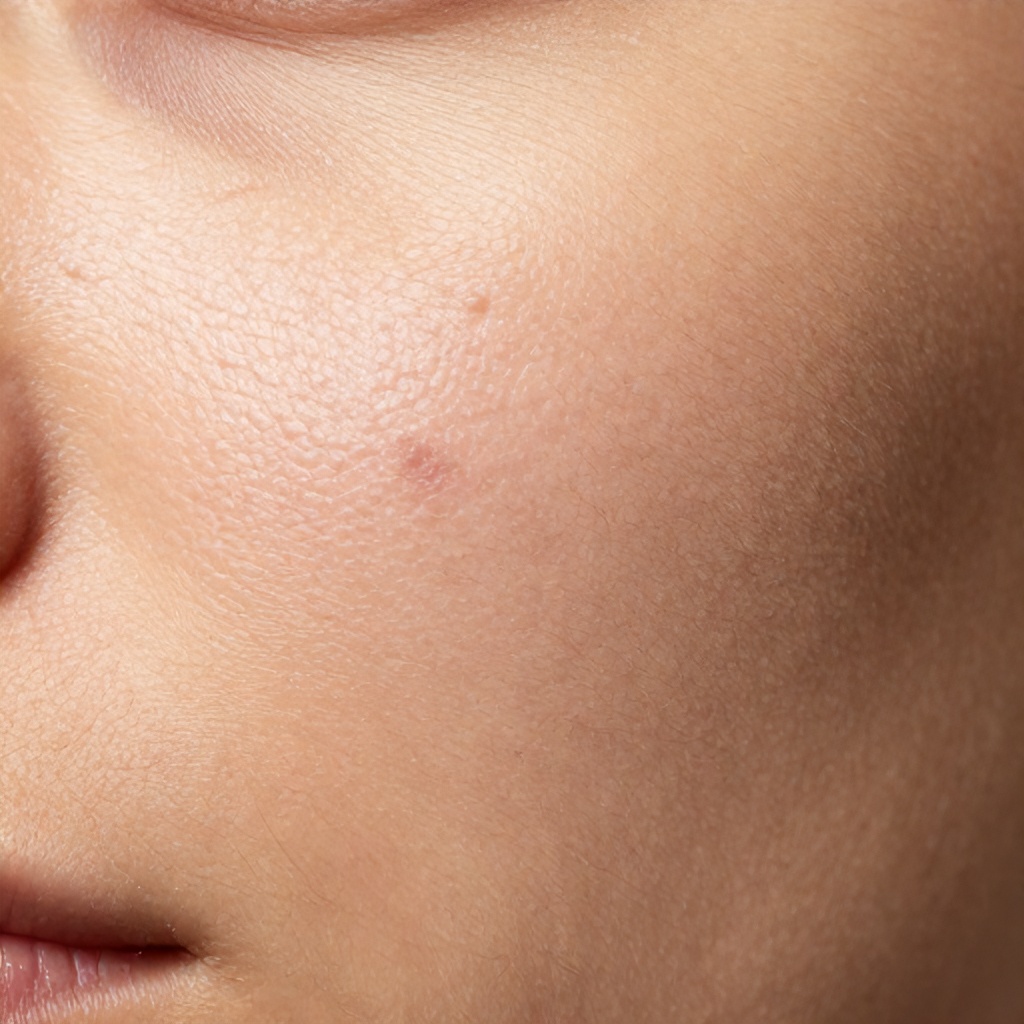
Dermatological analysis confirms that what you see in close-up photos is often a combination of natural skin grain and light scattering. Shadows cast by the uneven surface of your skin can make pores look deeper or wider than they appear to the naked eye. Recognizing that skin texture is a standard health marker helps shift the focus from chasing an impossible, plastic-like finish to maintaining a healthy, resilient barrier.
Factors Influencing Pore Visibility
Pore size is largely determined by genetics, but several external factors influence how prominent they look in your daily visual skin assessment. Sebum-related pore appearance is the most common concern, as oil trapped within the follicle can stretch the opening and make it look darker against the surrounding skin. When oil oxidizes, it creates a visible contrast, drawing more attention to the pore than if it were clear.
The Role of Collagen and Elasticity
As skin ages, the structural support around the follicle weakens. Collagen and elastin provide the scaffolding that keeps pores tight and small. When these proteins degrade, the skin loses its firmness, causing the pore to look oval or elongated rather than circular. This loss of elasticity is a primary driver of increased pore visibility in clinical skin evaluation. Protecting your skin from UV radiation is the most effective way to preserve this structural integrity over time.
Hydration and Plumping
Dehydrated skin looks dull and highlights surface irregularities. When skin cells lack sufficient water, they shrink, which makes the surrounding skin texture look rougher and more pronounced. Proper hydration acts like a filler, plumping the cells so the skin surface appears more uniform. A well-hydrated face reflects light evenly, which naturally softens the appearance of pores and fine lines.
Practical Approaches to Skin Refinement
Improving the appearance of your complexion requires a consistent routine rather than a single miracle product. Focus on keeping follicles clear and supporting the skin barrier to manage textural contrast. Small, incremental changes usually yield the most sustainable results for your skin health.
- Use gentle chemical exfoliants like salicylic acid to clear out the debris inside the pore. This prevents sebum from stretching the follicle opening.
- Apply niacinamide to help regulate oil production and improve the overall look of skin grain.
- Prioritize sun protection daily. UV rays break down the collagen that keeps pores looking tight.
- Choose non-comedogenic moisturizers that provide hydration without clogging the pores.
- Cleanse your face thoroughly every evening to remove pollutants and makeup that can settle into the skin surface.
Managing Expectations with Close-Up Images
Macro photography captures details that are invisible during normal social interaction. When you view your skin at ten times its actual size, you are looking at cutaneous detail that no one else sees. This creates a distorted perception of your own facial aesthetics. Normal skin has a visible grain, and that is a sign of a healthy, functioning barrier.
If you find yourself obsessing over high-resolution images, try to step back. Evaluate your skin from a distance of two feet in a mirror, which is how people actually see you. If your skin feels comfortable, isn’t breaking out, and has a healthy glow, the textural details you see in a zoomed-in photo are likely just normal anatomy. Complexion uniformity is a goal, but perfection is an illusion created by digital filters and lighting.
When to Consult a Professional
Sometimes, what appears to be large pores is actually a sign of other skin conditions. If you notice significant changes in your skin surface morphology, such as bumps that do not go away or persistent redness, a dermatological imaging session with a professional might be helpful. They can determine if your concerns are related to simple sebum buildup or if there is an underlying issue like rosacea or chronic inflammation.
- Persistent acne that leaves scarring or pits.
- Sudden changes in skin texture that do not respond to basic skincare.
- High levels of inflammation around the nose or cheeks.
- Concerns about specific skin growths or irregular pigmentations.
Professional treatments like chemical peels or laser therapy can assist with skin refinement by stimulating collagen production and resurfacing the top layer of the epidermis. However, these are maintenance procedures, not permanent fixes. Your daily habits, such as eating a balanced diet, drinking enough water, and getting adequate sleep, remain the foundation of your skin health markers.
The Impact of Lighting on Texture
Lighting is the most significant factor in how skin is perceived. Direct, harsh light—especially light coming from the side—will highlight every bump and pore, creating deep shadows that exaggerate textural contrast. This is why many professional photos are taken with soft, diffused light that fills in those shadows and creates a smoother look.
If you are taking photos of your own skin, notice how moving your face toward or away from a window changes the visibility of your pores. You might find that your skin looks completely different under fluorescent office lights compared to natural morning light. Understanding these variations helps you stop judging your skin based on a single, unflattering photograph. Your skin is dynamic, and its appearance will shift throughout the day based on your environment, your activity level, and the products you have applied.
Building a Sustainable Routine
Avoid the temptation to over-scrub or use harsh physical exfoliants. These can damage the skin barrier, leading to increased sensitivity and inflammation, which actually makes pores look worse. Instead, focus on ingredients that support skin health from the inside out. Retinoids are often recommended for long-term skin refinement, as they increase cell turnover and help keep the pore lining clear.
Introduce new products slowly to ensure your skin tolerates them. Start with a basic cleanser, moisturizer, and sunscreen. Once your skin is stable, add a targeted treatment for texture. Consistency is the primary factor in seeing results. It takes weeks for skin cells to cycle, so give your routine time to work before deciding if a product is effective. By focusing on the health of your skin rather than the visual perfection of your pores, you will achieve a complexion that looks and feels its best.