Mastering the Pull-Up: A Woman’s Guide to Conquering the Fitness Rig
The pull-up is a foundational strength-training exercise, a true test of upper body strength and a goal many women aspire to achieve. Seeing a woman confidently ascend a fitness rig, one powerful pull-up after another, is incredibly motivational. It signifies dedication, consistent effort, and a commitment to building a strong, athletic physique. This isn’t just about looking good; it’s about functional fitness, about being able to perform everyday tasks with greater ease and power.
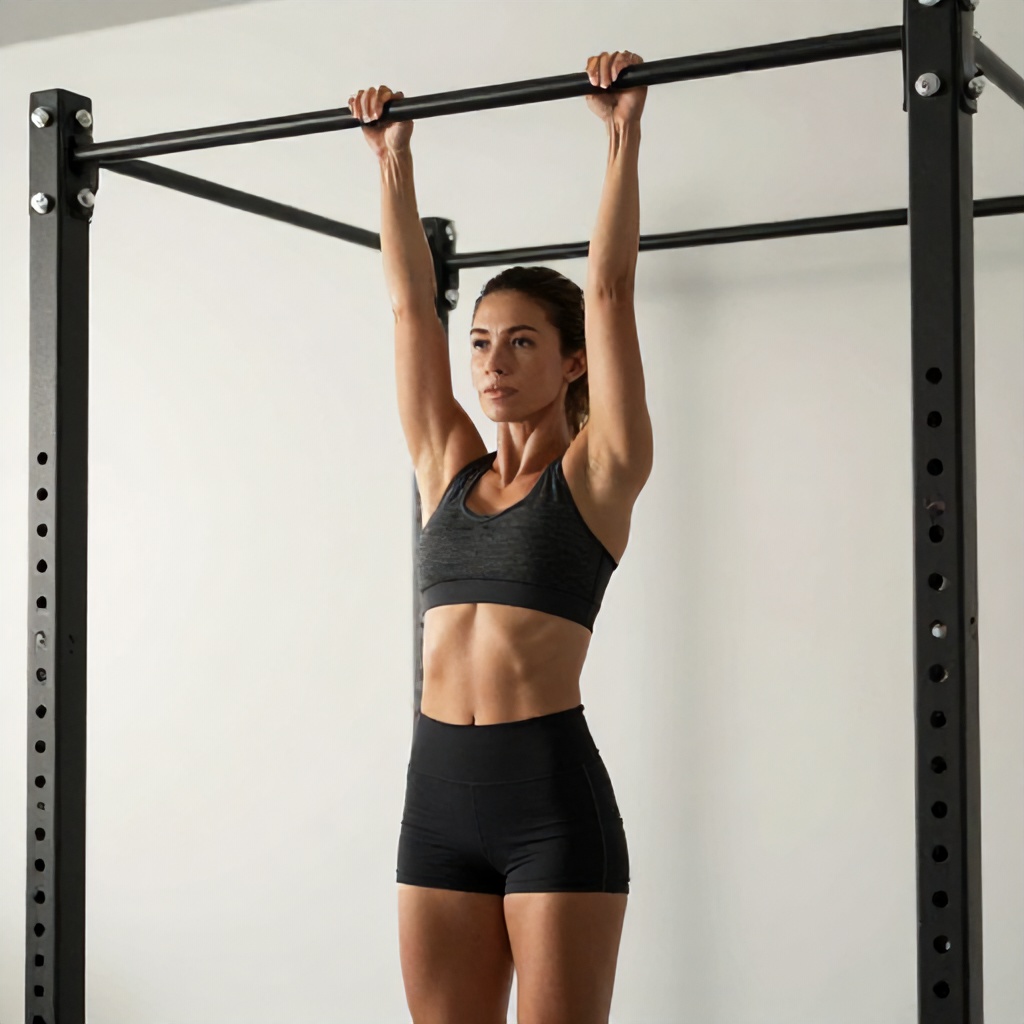
For many, the pull-up feels like an insurmountable challenge. The sheer bodyweight involved can seem daunting. But with the right approach, breaking down the movement, and utilizing progressive exercises, this iconic exercise becomes accessible. It’s a journey, not an overnight success, and every step forward is a victory.
Why the Pull-Up Matters
The pull-up is a compound exercise, meaning it engages multiple muscle groups simultaneously. This makes it incredibly efficient for building overall strength. When you perform a pull-up, you’re not just working your arms; you’re activating a significant portion of your upper body. Think about it: your back muscles, including the latissimus dorsi (lats) and rhomboids, are the primary movers, pulling your body upwards. Your biceps and forearms are heavily involved in the grip and flexion of the arm. Even your core muscles work overtime to stabilize your body throughout the movement. This comprehensive muscle engagement is what makes the pull-up so effective for building serious upper body strength.
Beyond the aesthetic benefits of a sculpted back and toned arms, the pull-up translates directly into improved functional fitness. Imagine needing to lift a heavy object, climb over an obstacle, or even just open a stubborn jar – a stronger pull-up ability enhances your capacity for these everyday physical activities. It builds resilience and confidence, proving what your body is capable of when consistently challenged.
Understanding the Mechanics: What’s Really Happening
At its core, a pull-up is about pulling your body weight from a dead hang position to one where your chin is over the bar. This requires a coordinated effort from several key muscle groups. The large muscles of your back, the lats, are responsible for the primary pulling motion. As you ascend, your biceps and brachialis muscles in your arms flex to assist. Your forearms and hands provide the crucial grip strength to maintain your hold on the fitness equipment. And don’t forget your core! Your abdominal and lower back muscles engage to keep your torso stable and prevent swinging, ensuring an efficient and controlled movement.
The grip is paramount. A strong grip is not just a byproduct of pull-up training; it’s a prerequisite. Without a firm hold, the rest of the muscles can’t effectively do their job. This is why exercises that target grip strength, like dead hangs and farmer’s walks, are often incorporated into a pull-up training routine. The fitness rig provides the perfect platform for practicing these fundamental movements.
The Journey Begins: Building Foundational Strength
For most women, the first step towards a full pull-up isn’t jumping straight onto the bar. It’s about building the necessary strength in the supporting muscles. This is where progressive overload and smart exercise selection come into play. Think of it as a ladder; you need to climb each rung before you can reach the top.
Dead Hangs: The Grip Foundation
Start with simple dead hangs. Grab the pull-up bar with an overhand grip, hands slightly wider than shoulder-width apart. Let your arms extend fully and simply hang. Focus on engaging your shoulder blades by pulling them down and back, even in this passive position. This activates the muscles that will be crucial for initiating the pull-up. Aim to hold for as long as you can, gradually increasing your time with each training session. This builds endurance in your grip and shoulders.
Scapular Pulls: Activating the Lats
Once you can comfortably hang for 30 seconds or more, introduce scapular pulls. From the dead hang position, without bending your elbows, pull your shoulder blades down and together. This will slightly lift your body off the ground. Hold for a second, then slowly release back to the dead hang. This small movement is a powerful way to learn how to engage your lats and initiate the pull from your back, not just your arms. It’s a subtle but vital step in mastering the pull-up.
Inverted Rows: The Horizontal Pull
Inverted rows are an excellent exercise that mimics the pulling motion of a pull-up but on a horizontal plane, making it more accessible. Use a lower bar on the fitness rig, or even a sturdy table or Smith machine bar set to a low height. Lie underneath the bar, grab it with an overhand grip, and pull your chest towards the bar, keeping your body in a straight line. The lower the bar, the harder the exercise. As you get stronger, you can lower the bar or elevate your feet to increase the difficulty. This exercise directly targets your back muscles and biceps, building the strength needed for the vertical pull.
Assisted Pull-Ups: Getting Closer
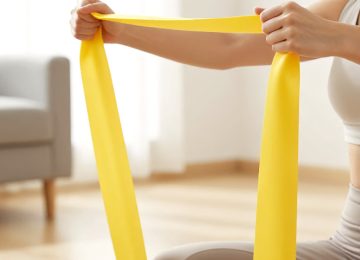
There are several ways to perform assisted pull-ups. Resistance bands are a popular and effective tool. Loop a strong resistance band around the pull-up bar and place your foot or knee in the loop. The band will help lift some of your body weight, allowing you to complete the full range of motion. As you get stronger, use thinner bands that provide less assistance. Another excellent option is an assisted pull-up machine found in most gyms. This machine allows you to select a weight that counterbalances your body weight, gradually reducing the assistance as you progress. Each repetition on these machines builds strength and muscle memory, bringing you closer to your unassisted goal.
Progressing Towards the Unassisted Pull-Up
The key to achieving your first unassisted pull-up is consistency and patience. Don’t get discouraged if progress feels slow. Every workout brings you closer. Listen to your body, allow for adequate rest and recovery, and celebrate the small wins along the way. This is where the true motivational aspect of fitness comes in; seeing tangible progress fuels your desire to keep going.
Negative Pull-Ups: The Eccentric Powerhouse
Negative pull-ups focus on the lowering phase of the movement. Jump or step up to the top position of a pull-up, with your chin over the bar. Then, slowly and with control, lower yourself down. Aim to take 3-5 seconds to descend. This eccentric (lowering) phase is incredibly effective for building strength. It helps you develop control and power in the muscles that are essential for the upward pull. Repeat this several times, focusing on a slow, controlled descent each time. This exercise is a fantastic bridge between assisted and unassisted pull-ups.
Eccentric-Overload Training
Combine negative pull-ups with assisted pull-ups. Perform a few reps of assisted pull-ups to fatigue your muscles, then immediately follow with several negative pull-ups. This “eccentric overload” technique can significantly boost your strength gains and accelerate your progress towards mastering the pull-up. It’s a challenging but highly rewarding method for building serious upper body strength.
Integrating Pull-Ups into Your Fitness Routine
Once you start getting closer to your goal, or even after you achieve your first unassisted pull-up, it’s important to incorporate them strategically into your overall workout. Pull-ups are demanding, so they shouldn’t be performed every single day. Aim for one to two dedicated pull-up sessions per week, allowing at least 48 hours of rest between them.
Consider incorporating pull-ups into your strength-training days that focus on upper body or back muscles. You can perform them at the beginning of your workout when you are freshest, or towards the end as a challenging finisher. Varying your grip (overhand, underhand, neutral) can also help target different muscle groups and prevent plateaus. For instance, chin-ups (underhand grip) often feel easier for beginners as they engage the biceps more directly.
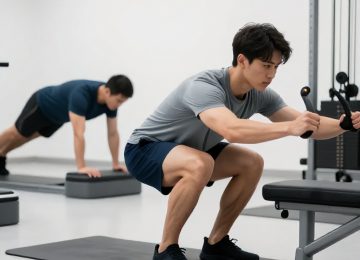
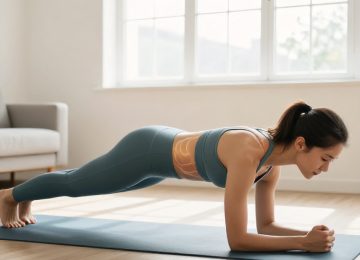
Don’t neglect the importance of a balanced workout. While pull-ups are fantastic for upper body strength, ensure you are also working your lower body and core. A well-rounded fitness routine leads to better overall athletic performance and reduces the risk of injury. Remember to wear comfortable and supportive athletic wear that allows for a full range of motion during your training sessions.
Beyond the Bar: Maintaining and Improving
Achieving your first pull-up is a monumental accomplishment! But the journey doesn’t end there. To maintain and improve your pull-up strength, continue to challenge yourself. Increase the number of repetitions you can perform, work on increasing the time for your negative pull-ups, or explore more advanced variations like weighted pull-ups. The fitness rig offers endless possibilities for progression.
Consistency is your greatest ally. Even when life gets busy, try to maintain a regular physical activity schedule. Short, focused workouts are better than no workouts at all. Remember why you started – for the strength, the confidence, and the feeling of accomplishment. Every workout is a step towards a healthier, more capable you. The pull-up is a symbol of that journey, a powerful testament to what dedication and smart training can achieve.