10-Minute Morning Yoga Routine for Beginner Flexibility
Boost your flexibility and start your day feeling refreshed with this simple 10-minute morning yoga routine designed specifically for beginners.
Waking up can be tough, especially if you feel stiff and creaky. This quick sequence is your secret weapon against morning grogginess, helping to gently awaken your muscles and improve your range of motion without demanding a huge time commitment. It’s all about mindful movement and setting a calm, balanced tone for the hours ahead.
You don’t need any fancy equipment, just a bit of space and a willingness to move. Think of it as a gentle stretch session that also nourishes your mind. We’re aiming for a serene atmosphere, so put on some soft music if that helps you create a calm space.
Getting Started: What You Need
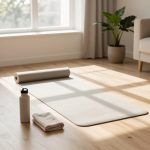
Before you begin, find a quiet spot where you won’t be disturbed. A yoga mat is helpful for cushioning, but a carpeted floor or even a thick blanket can work in a pinch. Wear comfortable clothing that allows you to move freely. The goal is to feel good, not restricted.
Remember, this is a beginner yoga routine. Listen to your body. If a pose feels too intense, ease into it or skip it. The focus is on gentle stretching and building a consistent daily practice.
The 10-Minute Routine: Step-by-Step
This routine flows from gentle stretches to slightly more active poses, all while keeping it beginner-friendly and focused on flexibility. We’ll move through each pose with intention, breathing deeply throughout.
1. Gentle Neck Rolls (1 minute)
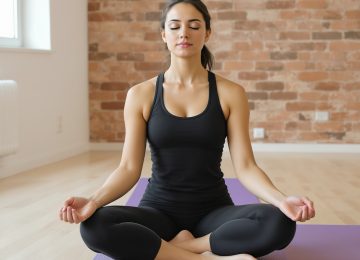
Begin seated comfortably, either cross-legged on your mat or on a chair. Let your shoulders relax down away from your ears. Gently drop your chin towards your chest. Slowly roll your right ear towards your right shoulder. Then, roll your chin back to your chest and continue to your left ear. Repeat this gentle rolling motion a few times in each direction. This is a great way to release tension that often accumulates in the neck overnight.
Focus on smooth, controlled movements. Avoid forcing your head into any position that feels strained. The aim here is a subtle release, not a deep stretch.
2. Cat-Cow Stretch (2 minutes)
Come onto your hands and knees in a tabletop position. Ensure your wrists are directly under your shoulders and your knees are hip-width apart and directly under your hips. Spread your fingers wide.
As you inhale, drop your belly towards the floor, arch your back, and lift your gaze towards the ceiling. This is your Cow pose. Feel a gentle stretch through your abdomen and chest.
As you exhale, round your spine towards the ceiling, tuck your chin towards your chest, and draw your navel towards your spine. This is your Cat pose. Feel the stretch across your upper back and shoulders.
Flow between these two poses, linking your breath to the movement. Inhale for Cow, exhale for Cat. Repeat this for several rounds, allowing your spine to move through its full range of motion. This is a foundational yoga pose for improving spinal flexibility and warming up the back.
3. Downward-Facing Dog (1 minute)
From your tabletop position, tuck your toes under and lift your hips up and back, forming an inverted V-shape with your body. This is Downward-Facing Dog. Your hands should be shoulder-width apart, and your feet hip-width apart.
Don’t worry if your heels don’t touch the floor or your legs are bent – this is perfectly normal for beginners. Focus on pressing your palms firmly into the mat and lengthening your spine. You can gently pedal your feet by bending one knee and straightening the other, then switching, to deepen the stretch in your hamstrings and calves.
Allow your head to hang loosely between your arms. This pose is excellent for stretching the entire back of your body, from your heels to your shoulders.
4. Standing Forward Fold (1 minute)
From Downward-Facing Dog, slowly walk your feet forward towards your hands. When you arrive, keep a generous bend in your knees. Let your torso hang heavy over your legs. This is Standing Forward Fold (Uttanasana).
Allow your head and neck to relax completely. You can let your arms dangle towards the floor or clasp opposite elbows for a deeper stretch. This pose is fantastic for releasing tension in the hamstrings, calves, and lower back. If your hamstrings feel very tight, keep your knees significantly bent.
Breathe deeply here, allowing gravity to do some of the work. Feel the stretch lengthen your spine and release any tightness in your legs.
5. Low Lunge (1 minute per side)
From your Forward Fold, bend your knees deeply and step your left foot back, lowering your left knee to the mat. You can keep your back toes tucked or untucked. Ensure your front right knee is stacked directly over your right ankle. This is Low Lunge (Anjaneyasana).
You can keep your hands on the floor framing your front foot, or if you feel stable, bring your hands to your front thigh for a gentle lift. Feel the stretch in the front of your left hip flexor and the front of your left thigh. Keep your chest lifted and your gaze forward.
Hold for a few breaths, then gently step your left foot forward to meet your right, returning to a Forward Fold. Then, step your right foot back, lowering your right knee to the mat, and repeat the Low Lunge on the other side. This pose is excellent for opening up the hips and strengthening the legs.
Focus on keeping your front knee from going past your toes. This protects your knee joint and ensures you’re getting the most effective stretch.
6. Seated Twist (1 minute per side)
Come to a seated position on your mat. Extend your legs out in front of you. Bend your right knee and place your right foot on the outside of your left thigh. Alternatively, you can place your right foot on the floor inside your left thigh if that feels more comfortable.
Inhale and lengthen your spine. As you exhale, gently twist your torso to the right. You can hug your right knee with your left arm, or place your left elbow on the outside of your right knee for a deeper twist. Place your right hand on the floor behind you for support, acting as a gentle anchor.
Gaze over your right shoulder, but don’t force your neck. Feel the twist in your spine and the gentle stretch in your back and sides. This seated twist is wonderful for improving spinal mobility and aiding digestion.
Hold for a few breaths, then gently unwind and return to center. Repeat on the left side, bending your left knee and twisting to the left. Remember to keep your spine long throughout the twist.
7. Child’s Pose (1 minute)
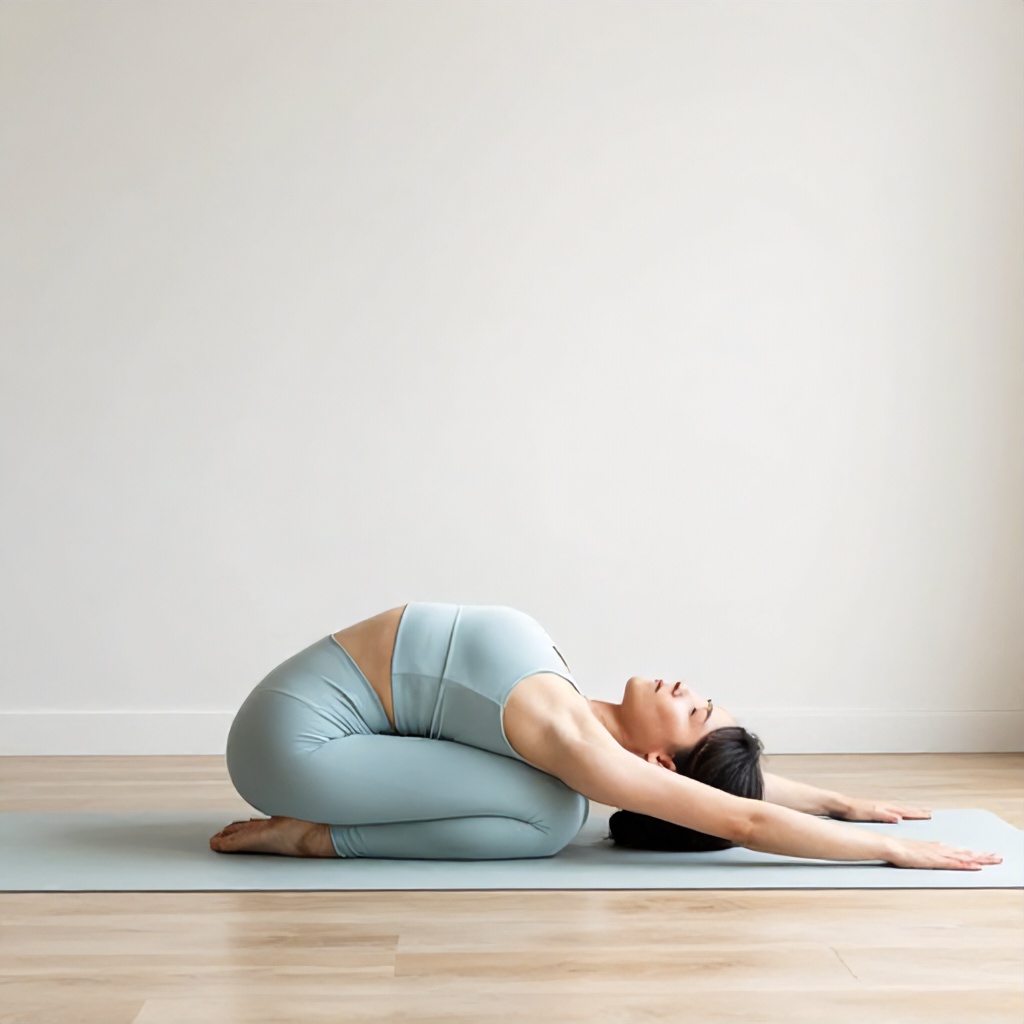
From your seated position, come back to your hands and knees. Bring your big toes to touch and widen your knees as much as is comfortable. Sink your hips back towards your heels and rest your forehead on the mat. Extend your arms forward, or rest them alongside your body with palms facing up.
This is Child’s Pose (Balasana), a resting pose that allows your body to integrate the movements. It’s a deeply calming and restorative pose, perfect for the end of a short routine. Breathe deeply into your back, feeling your ribs expand with each inhale.
Allow yourself to feel grounded and peaceful. This pose offers a gentle stretch for the hips, thighs, and ankles while also promoting relaxation. It’s a serene way to conclude your practice.
Making it a Habit
Consistency is key when it comes to improving flexibility. Aim to do this 10-minute morning yoga routine daily. Even on busy days, fitting in these few minutes can make a significant difference in how you feel throughout the day.
Over time, you’ll notice increased ease of movement and a greater sense of well-being. This simple physical activity can become a cherished part of your wellness routine, setting a positive and refreshing tone for your mornings. It’s about creating a balanced start, one stretch at a time.
As you become more comfortable, you might find yourself naturally wanting to hold poses a little longer or explore variations. That’s the beauty of yoga – it meets you where you are and supports your journey towards greater flexibility and mindfulness.