Your 20-Minute Beginner Yoga Routine for Flexibility and Toning
If you’re curious about yoga but feel a bit lost on where to begin, this 20-minute beginner yoga routine is your perfect starting point. It gently guides you through fundamental yoga poses designed to stretch, calm, and tone your entire body. Whatever your reason for exploring yoga, I’m genuinely happy you’ve started this journey, and I’m here to share the incredible benefits yoga offers.
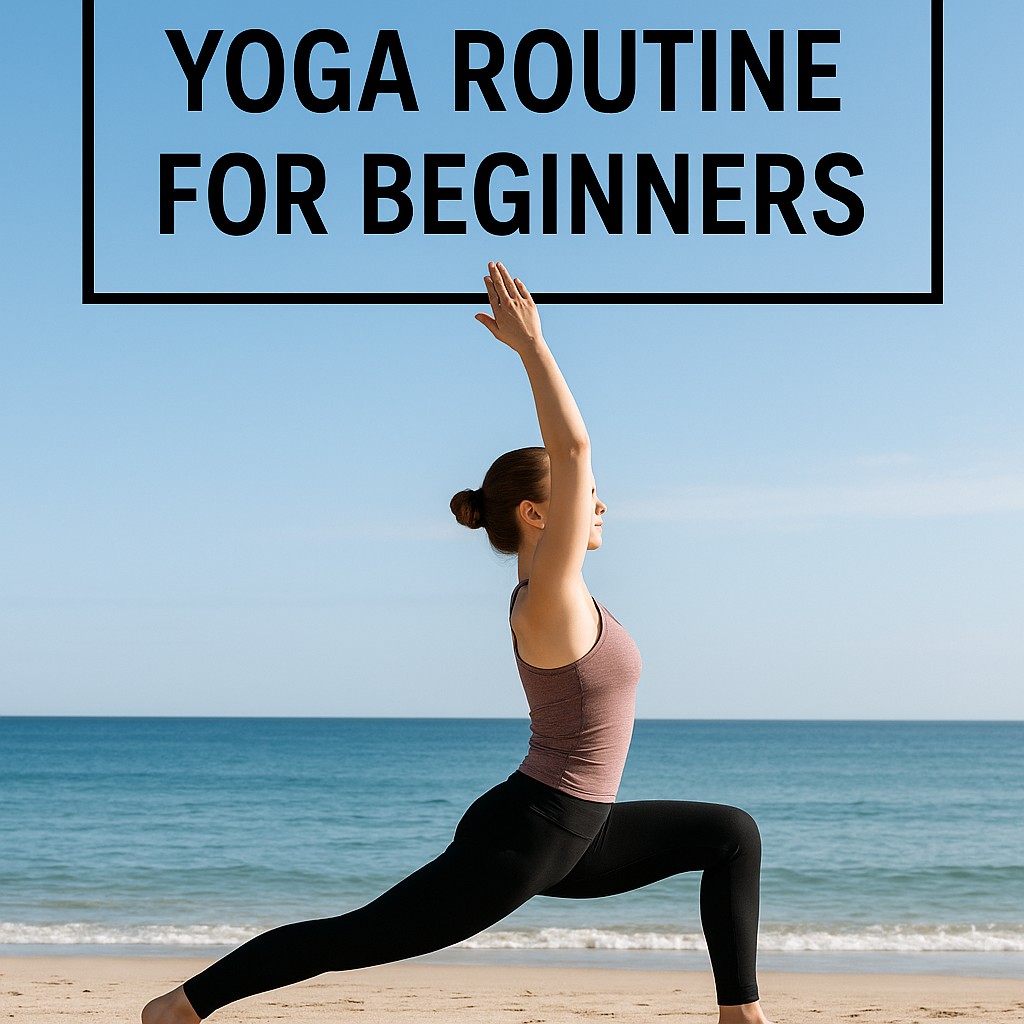
This beginner yoga routine features 16 poses. Aim to hold each pose for about 15 seconds, or roughly five slow, deep breaths. Follow the sequence up to Downward Facing Dog (pose 13), then repeat the first side of the sequence on your other side before moving into the cool-down poses.
This particular 20 minute yoga workout is excellent for building foundational strength, toning your muscles, and significantly improving your flexibility. Remember, this is your practice. Move at your own pace and listen to your body. If holding poses for 15 seconds feels like too much right now, that’s absolutely fine! The most important thing is that you are moving, growing, and learning.
Some of these yoga postures might seem a bit challenging at first glance. However, all the poses in this yoga sequence are beginner friendly, meaning you can easily modify them to suit your current level. I’ve chosen these specific poses because they are dynamic and form essential base poses for developing your yoga practice.
For modifications, having a couple of yoga blocks and a yoga strap can be incredibly helpful. You can find recommendations for these useful yoga tools on our dedicated page.
Tip: If you’re new to yoga, consider having a yoga mat for comfort and grip. Yoga blocks can help bring the floor closer to you, and a yoga strap can assist in reaching further in stretches. These yoga tools are great for supporting your yoga journey.
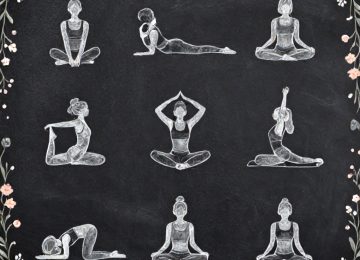
The poses included in this 20 minute yoga routine are:
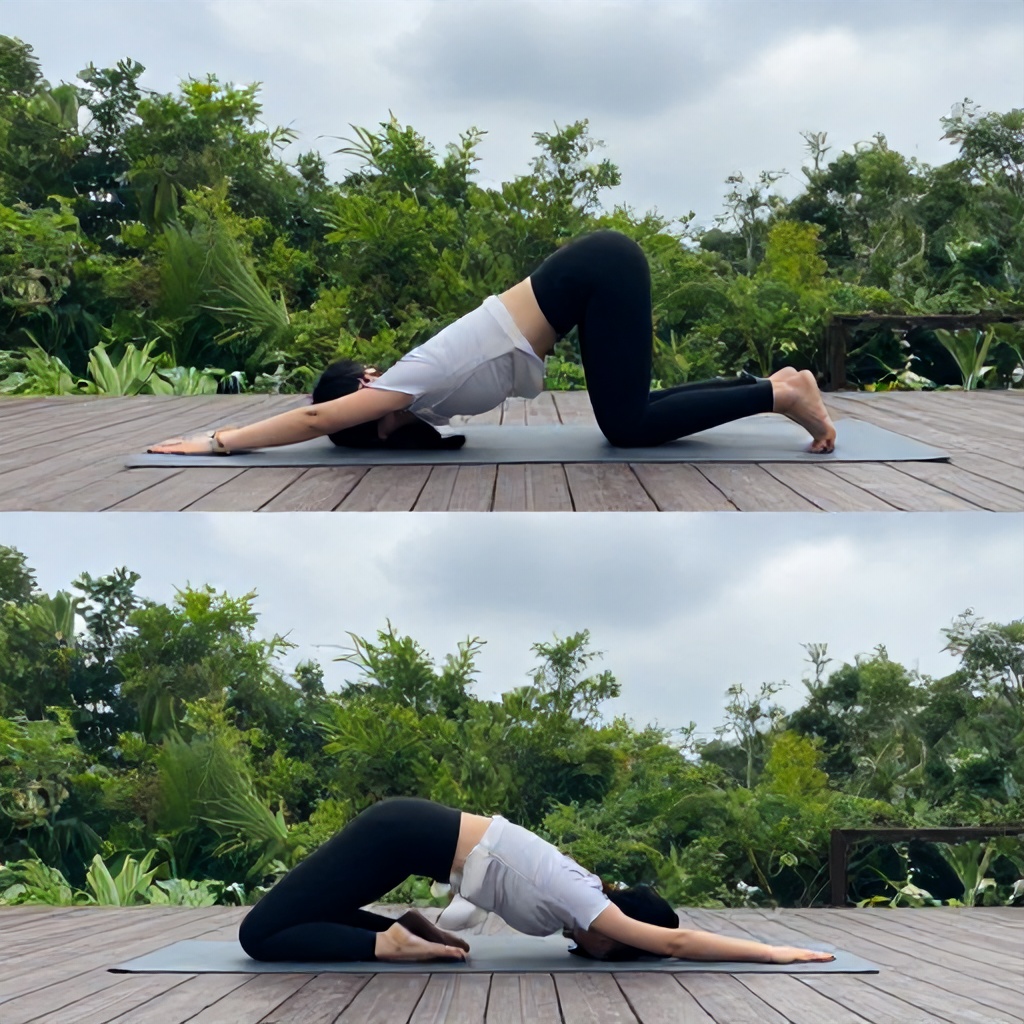
- Cat-Cow – 3 rounds
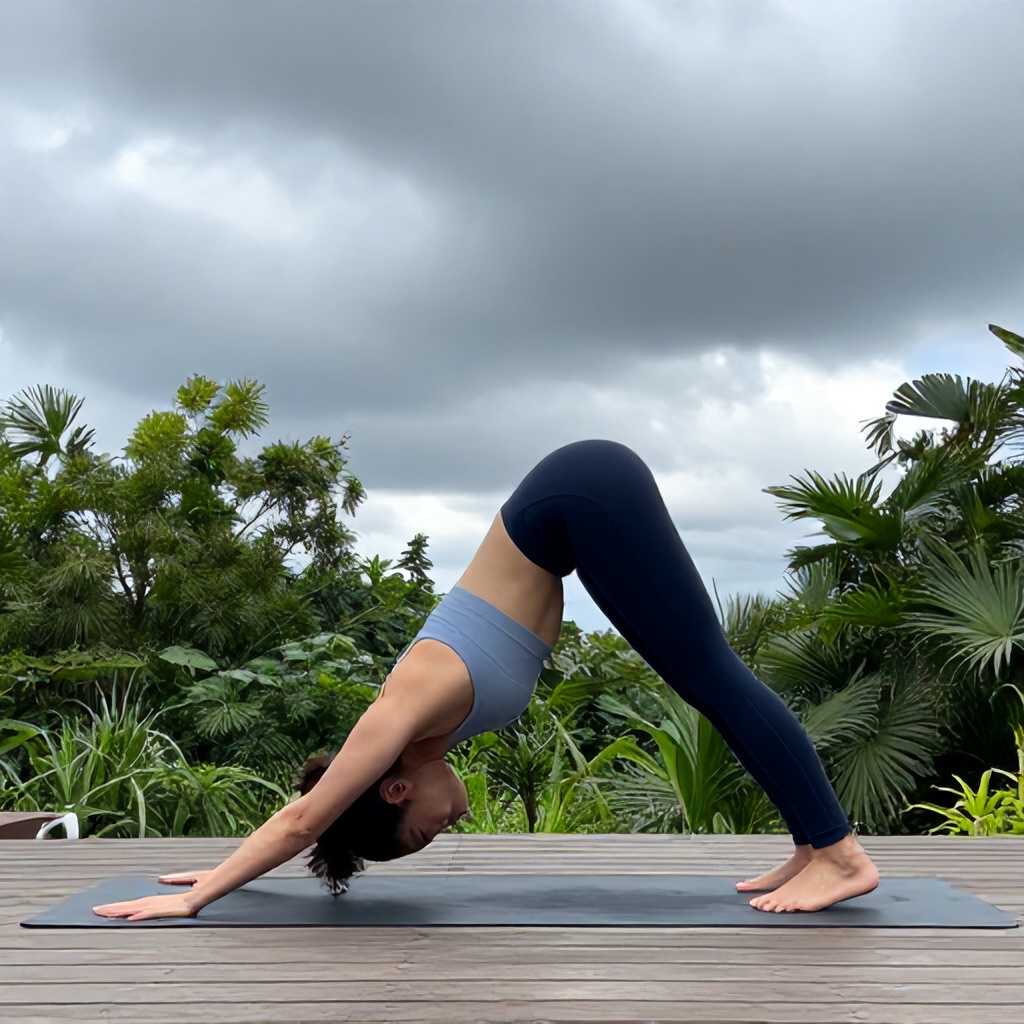
- Downward Facing Dog – 5 breaths
- Standing Forward Fold – 5 breaths
- Mountain Pose – 5 breaths
- Standing Backbend – 5 breaths
- Warrior II – 5 breaths
- Triangle Pose – 5 breaths
- Extended Side Angle Pose – 5 breaths
- Chair Pose – 5 breaths
- Standing Forward Fold – 5 breaths
- Four Limbed Staff Pose – 5 breaths
- Cobra Pose – 5 breaths
- Downward Facing Dog – 5 breaths
- Pigeon Pose – 5 breaths
- Seated Straight Legged Forward Fold – 5 breaths
- Savasana (Corpse Pose) – 1-2 minutes
Understanding the Benefits: Tone, Flexibility, and Beyond
Toning Your Body
As you move through this yoga sequence, you’ll notice how many different muscle groups are engaged. Poses like Warrior II and Chair Pose build strength in your legs and core. Even poses that feel more restorative, like Cobra, work to strengthen your back muscles. Consistent practice contributes to overall muscle toning, giving you a more sculpted physique over time. This isn’t just about aesthetics; stronger muscles support your joints and improve your posture.
Improving Flexibility
Flexibility yoga is a cornerstone of many people’s practice, and this routine is designed to enhance just that. Poses like Standing Forward Fold and Seated Straight Legged Forward Fold gently stretch the hamstrings and spine. Cat-Cow warms up the spine, preparing it for deeper movements. Pigeon Pose is excellent for opening up the hips, a common area of tightness for many. Regularly incorporating this stretching routine will lead to noticeable improvements in your range of motion, making everyday movements feel easier and reducing the risk of injury.
Calming Your Mind
Beyond the physical benefits, yoga is profoundly beneficial for mental well-being. The focus required to hold poses and move with your breath helps to quiet the constant chatter of the mind. Savasana at the end of the practice is a vital period of relaxation, allowing your body and mind to integrate the benefits of the session. This mindful approach is a key aspect of the yoga lifestyle, promoting stress reduction and a sense of inner peace.
How Many Calories Does a 20-Minute Yoga Routine Burn?
Many people are turning to yoga for its holistic benefits, including its effectiveness in weight management. A fundamental principle of weight loss involves burning more calories than you consume, and incorporating exercise is a key part of this equation. You might be wondering precisely how many calories a 20-minute yoga workout can burn.
Using a simple online calorie calculator, a person weighing around 150 pounds might burn approximately 62 calories during 20 minutes of Hatha yoga. The actual number of calories burned can vary significantly based on the type of yoga and the intensity of your practice.
For comparison, Vinyasa yoga, which is typically more dynamic and faster-paced, can burn around 198 calories in the same 20-minute period. This substantial difference is because Vinyasa yoga raises your heart rate more significantly than Hatha yoga, which tends to focus more on foundational alignment and basic yoga postures.
Frequently Asked Questions
What if I can’t do a pose perfectly?
That’s completely okay! Yoga is a personal journey, and modifications are your best friend. Don’t worry about perfection; focus on how the pose feels in your body. The goal is progress, not perfection. For example, if a forward fold is too intense, bend your knees generously.
How often should I do this beginner yoga routine?
Consistency is key for seeing results in flexibility and toning. Aim to practice this routine at least 3-4 times a week. You can also sprinkle in individual poses throughout your day as a quick stretching routine whenever you feel the need.
What are the most important yoga foundations to focus on?
For beginners, focusing on your breath (pranayama) and proper yoga alignment is paramount. Pay attention to how your body feels in each pose and try to maintain a steady, even breath. These yoga foundations will support your entire yoga practice as you advance.
Can this routine help with weight loss?
While this routine isn’t as intense as some cardio workouts, it contributes to calorie expenditure and muscle toning, both of which are beneficial for weight loss. When combined with a balanced diet, a regular yoga practice can certainly support your weight loss goals.
What’s the difference between Hatha and Vinyasa yoga?
Hatha yoga generally involves holding poses for longer periods and focuses on breath control and alignment. Vinyasa yoga is more fluid, linking poses together with the breath in a continuous flow. This beginner routine incorporates elements that are accessible from both styles.
Getting Started with Your Yoga Practice
Embarking on your yoga journey is a wonderful decision. This 20-minute routine is designed to be accessible, allowing you to build confidence and strength gradually. Remember that every experienced yogi started somewhere, and this beginner yoga routine provides a solid starting point.
As you become more comfortable, you might explore different types of yoga, like Hatha yoga for its focus on alignment or Vinyasa yoga for a more dynamic workout. The most important thing is to find a yoga lifestyle that resonates with you and supports your overall well-being.
Don’t be discouraged if some yoga postures feel challenging initially. The beauty of yoga is its adaptability. Listen to your body, be patient with yourself, and celebrate every small victory. Your commitment to this practice is the most significant step.
Yoga Tips for Beginners:
- Listen to your body: Never push yourself into pain. Modify poses as needed.
- Focus on your breath: Your breath is your anchor. Try to keep it steady and deep.
- Be patient: Progress takes time. Enjoy the process of learning and growing.
- Find a comfortable space: A quiet, uncluttered area will help you focus.
- Don’t compare: Everyone’s yoga journey is unique.