Achieving clear, blemish-free skin often starts with a deep cleaning routine that goes beyond basic washing, targeting the root causes of blackheads and acne for a healthier complexion.
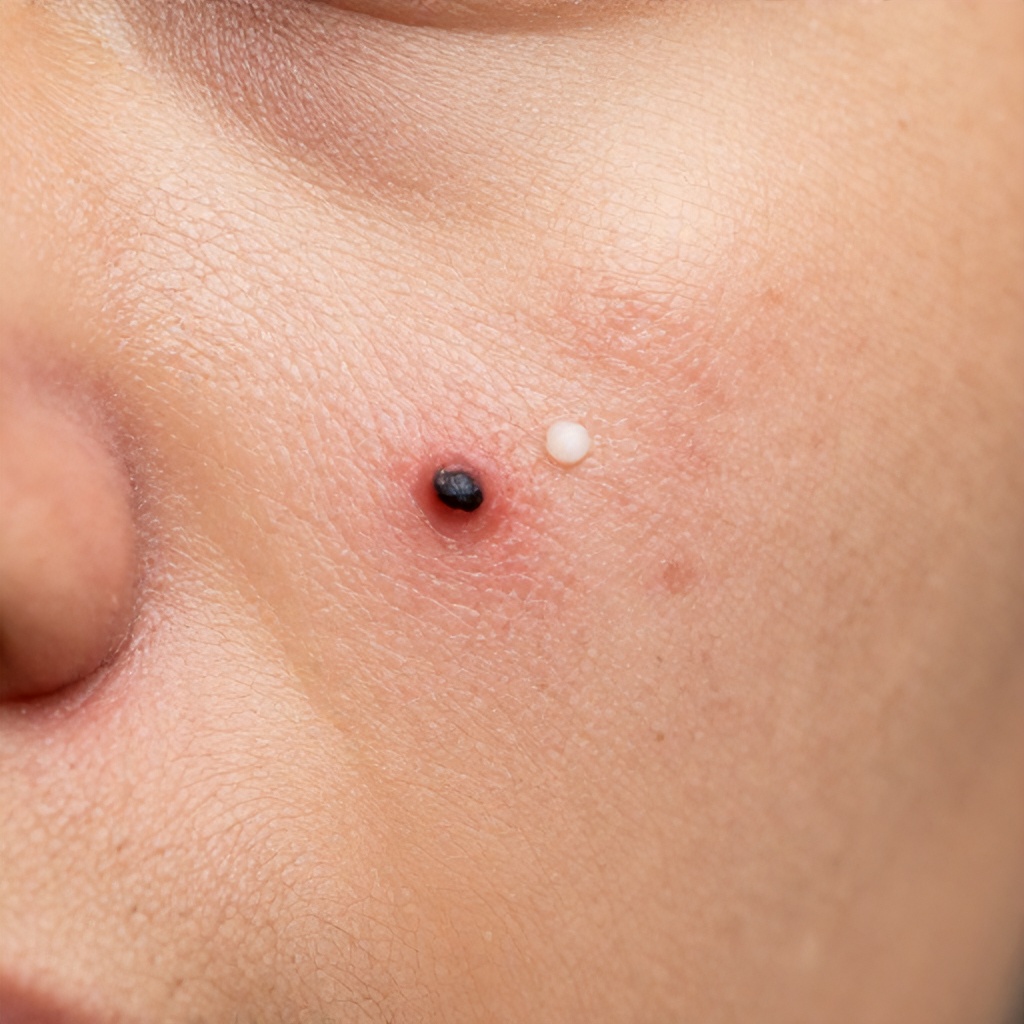
Understanding Blackheads and Acne
Blackheads and acne are common skin concerns, but they form in slightly different ways. Knowing the difference helps in treating them effectively with a deep cleaning strategy.
What Are Blackheads?
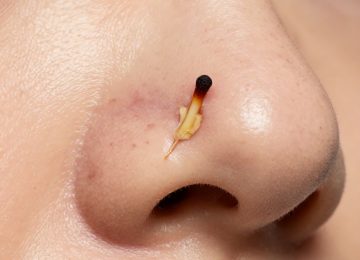
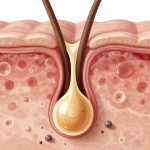
Blackheads, technically known as open comedones, are small bumps that appear on the skin when hair follicles become clogged. This clogging happens with a mix of dead skin cells and sebum, which is the natural oil produced by your skin. Unlike whiteheads, blackheads have an open surface, exposing the trapped contents to air. When this mixture oxidizes, it turns a dark color, giving blackheads their characteristic appearance. They are not dirt, despite what their color might suggest, and scrubbing them harshly won’t make them disappear; it might even irritate your skin.
What Is Acne?
Acne is a broader term encompassing various types of blemishes, including blackheads, whiteheads, papules, pustules, cysts, and nodules. It occurs when hair follicles become clogged with oil and dead skin cells, just like blackheads. However, with acne, bacteria (specifically Propionibacterium acnes, now often called Cutibacterium acnes) can thrive in these clogged, oxygen-deprived environments. This bacterial growth triggers an inflammatory response, leading to the redness, swelling, and pus often associated with pimples. Hormonal fluctuations, genetics, stress, and certain medications can all contribute to acne development.
The Importance of Deep Cleaning for Skin Health
Regular face washing is a good start, but deep cleaning takes your skincare to the next level, especially when dealing with blackheads and acne. It’s about more than just surface-level cleanliness.
Deep cleaning helps to thoroughly remove impurities that accumulate over time. This includes not just makeup and daily grime, but also excess sebum, dead skin cells, and environmental pollutants that can settle deep within your pores. When these elements are left unchecked, they can lead to congestion, which is the perfect breeding ground for blackheads and acne. A consistent deep cleaning approach helps to prevent these clogs from forming in the first place, or helps to clear them out once they’ve appeared.
Beyond prevention, deep cleaning also prepares your skin to better absorb other beneficial skincare products. When your pores are clear and your skin’s surface is free of dead cell buildup, serums, treatments, and moisturizers can penetrate more effectively, delivering their active ingredients where they’re needed most. This means you get more bang for your buck from your entire skincare routine, leading to visibly healthier and clearer skin over time.
Key Ingredients for Effective Deep Cleaning
To truly deep clean and target blackheads and acne, certain ingredients stand out for their ability to penetrate pores, exfoliate, and control oil and bacteria. Incorporating these into your routine can make a significant difference.
Salicylic Acid (BHA)
Salicylic acid is a beta-hydroxy acid (BHA) and a powerhouse for deep cleaning. Unlike AHAs, which are water-soluble and work on the skin’s surface, salicylic acid is oil-soluble. This unique property allows it to penetrate through the oily sebum in your pores, dissolving the gunk that causes blackheads and pimples. It helps to exfoliate the inside of the pore, preventing future clogs and reducing existing ones. You’ll often find it in cleansers, toners, and spot treatments.
Benzoyl Peroxide
For inflammatory acne, benzoyl peroxide is a go-to ingredient. It works by introducing oxygen into the pore, which kills the anaerobic C. acnes bacteria that thrive in oxygen-deprived environments. It also has a mild exfoliating effect, helping to shed dead skin cells. Benzoyl peroxide comes in various strengths, from 2.5% to 10%, and can be found in washes, creams, and gels. It’s important to use it carefully, as it can be drying and may bleach fabrics.
Glycolic Acid (AHA)
Glycolic acid is an alpha-hydroxy acid (AHA) derived from sugar cane. While it primarily works on the surface of the skin, it’s excellent for improving skin texture, fading post-acne marks, and helping to clear superficial congestion. By loosening the bonds between dead skin cells, it promotes a smoother, brighter complexion and can indirectly help prevent future clogs by keeping the skin’s surface clear. It’s often found in toners, serums, and masks.
Clay (Bentonite, Kaolin)
Clay masks are fantastic for drawing out impurities and absorbing excess oil from the skin. Bentonite clay, for example, has a strong negative charge that attracts positively charged toxins and impurities from the pores. Kaolin clay is gentler and better suited for sensitive skin, still offering oil absorption and mild detoxification. Regular use of a clay mask can help keep pores clear and reduce shine, making it a staple in any deep cleaning regimen.
Retinoids (Retinol, Tretinoin)
Retinoids, including over-the-counter retinol and prescription tretinoin, are incredibly effective for acne and blackhead prevention. They work by accelerating cell turnover, which means dead skin cells are shed more rapidly, preventing them from accumulating and clogging pores. Retinoids also help to normalize the way skin cells grow and mature within the follicle. This can lead to an initial “purging” phase as clogs come to the surface, but consistent use results in significantly clearer skin and reduced breakouts over time.
Your Deep Cleaning Routine: Step-by-Step
A structured routine is key to deep cleaning effectively without irritating your skin. Here’s a practical, step-by-step approach.
Step 1: Double Cleansing
Start your deep clean with a double cleanse, especially if you wear makeup, sunscreen, or live in a polluted environment. This two-part process ensures all surface impurities are thoroughly removed.
- Oil Cleanser: Begin with an oil-based cleanser, balm, or micellar water. Gently massage it onto dry skin for about a minute. This step is crucial for breaking down oil-based products like makeup, sunscreen, and excess sebum without stripping your skin. Rinse thoroughly with warm water.
- Water-Based Cleanser: Follow up with a gentle, water-based cleanser suitable for your skin type. This second cleanse removes any remaining residue, dirt, and sweat, leaving your skin truly clean and ready for the next steps.
Step 2: Exfoliation
Exfoliation is vital for removing dead skin cells and preventing pore blockages. Choose between chemical or gentle physical exfoliation.
- Chemical Exfoliants (AHAs/BHAs): Incorporate a toner or serum containing salicylic acid (BHA) or glycolic acid (AHA) a few times a week, depending on your skin’s tolerance. BHAs are excellent for blackheads and oily skin, while AHAs help with surface texture and brightness. Apply after cleansing and before other treatments.
- Gentle Physical Exfoliants: If you prefer physical exfoliation, opt for a very gentle scrub with fine, spherical beads, or use a konjac sponge or a soft facial brush. Use these sparingly, perhaps once or twice a week, and always with a light hand to avoid micro-tears and irritation. Avoid harsh scrubs with jagged particles.
Step 3: Clay Mask
A clay mask is an excellent weekly or bi-weekly treatment for drawing out impurities and absorbing excess oil.
- After cleansing and exfoliating, apply an even layer of a bentonite or kaolin clay mask to your face, avoiding the eye and lip areas.
- Leave it on for the time recommended on the product instructions, usually 10-15 minutes, or until it begins to dry.
- Rinse thoroughly with warm water, making sure all traces of the mask are removed.
Step 4: Targeted Treatments
This step is where you address specific concerns with potent ingredients.
- Spot Treatments: For individual pimples, apply a small amount of a benzoyl peroxide or sulfur-based spot treatment directly to the blemish.
- Serums: Apply serums containing ingredients like niacinamide (for redness and barrier support), vitamin C (for brightening and antioxidant benefits), or a retinoid (for cell turnover and acne prevention). If using a retinoid, start slowly, a few nights a week, and gradually increase frequency as your skin adapts.
Step 5: Hydration
Even oily or acne-prone skin needs hydration. Skipping moisturizer can actually signal your skin to produce more oil, exacerbating breakouts.
Choose a lightweight, non-comedogenic moisturizer. Apply it gently to your face and neck to lock in moisture and support your skin barrier. Look for ingredients like hyaluronic acid or ceramides.
Step 6: Sun Protection
This step is non-negotiable, especially when using active ingredients like AHAs, BHAs, and retinoids, which can increase your skin’s sensitivity to the sun.
Every morning, apply a broad-spectrum sunscreen with an SPF of 30 or higher. Choose a non-comedogenic formula that won’t clog your pores. Sun protection not only prevents sun damage but also helps to prevent post-inflammatory hyperpigmentation (dark spots) from acne lesions from worsening.
Tools and Techniques for Deeper Cleaning
While your product routine is primary, some tools and techniques can enhance your deep cleaning efforts when used correctly.
Steaming
A gentle facial steam can help to soften the top layer of your skin and make it easier for impurities to be released. You can do this by leaning over a bowl of hot water with a towel draped over your head for 5-10 minutes. Follow with a clay mask or your regular cleansing routine. Be cautious not to use water that is too hot, as excessive heat can irritate the skin and potentially worsen redness.
Extraction Tools
It is strongly advised to avoid using metal extraction tools at home. Improper use can easily damage your skin, spread bacteria, cause scarring, and lead to more severe breakouts. If you have persistent blackheads or whiteheads that require extraction, seek out a licensed aesthetician or dermatologist who can perform these procedures safely and hygienically.
Facial Brushes
Sonic or rotating facial brushes can provide a deeper cleanse than manual washing by gently dislodging dirt and dead skin cells. If you choose to use one, select a brush with soft bristles and use it with a light touch, no more than once a day, or even a few times a week. Overuse or aggressive scrubbing can lead to irritation and compromise your skin barrier. Always keep your brush head clean to prevent bacterial growth.
Professional Deep Cleaning Options
Sometimes, your at-home routine needs a boost from a professional. Dermatologists and licensed aestheticians offer treatments that can provide a more intensive deep clean.
Professional Facials
Many spas and clinics offer deep cleansing facials. These typically involve steaming, thorough cleansing, exfoliation, extractions (performed by a trained professional), and targeted masks. An aesthetician can assess your skin and tailor the treatment to your specific needs, safely addressing concerns like stubborn blackheads and congestion.
Chemical Peels
Chemical peels involve applying a chemical solution to the skin to exfoliate the top layers. Depending on the strength, peels can range from superficial to deep. They are highly effective for improving skin texture, reducing acne, fading hyperpigmentation, and stimulating collagen production. Glycolic acid, salicylic acid, and lactic acid are common ingredients in professional peels. A dermatologist or aesthetician can recommend the right type and strength for your skin.
Microdermabrasion
Microdermabrasion is a non-invasive procedure that uses a device to gently exfoliate the outermost layer of the skin. It helps to remove dead skin cells, improve skin texture, and reduce the appearance of minor acne scars and blackheads. It’s a good option for those looking for a physical exfoliation with professional precision.
Dermatologist Visits
For persistent or severe acne, a dermatologist is your best resource. They can prescribe stronger topical medications (like prescription retinoids or antibiotics), oral medications, or discuss in-office procedures such as cortisone injections for cystic acne. A dermatologist can also help identify underlying causes of acne and provide a comprehensive treatment plan.
Common Mistakes to Avoid in Deep Cleaning
While aiming for clear skin, it’s easy to fall into habits that can actually worsen your complexion. Avoid these common pitfalls.
- Over-Exfoliating: Using too many exfoliating products (AHAs, BHAs, physical scrubs) too frequently can strip your skin’s natural barrier, leading to irritation, redness, dryness, and even increased breakouts. Listen to your skin and introduce new exfoliants slowly.
- Picking or Squeezing: Trying to extract blackheads or pop pimples yourself can push bacteria deeper into the skin, cause inflammation, spread infection, and lead to permanent scarring or dark spots. Leave extractions to the professionals.
- Using Harsh Products: Alcohol-based toners, abrasive scrubs, and overly drying cleansers can strip your skin of its natural oils, triggering it to produce even more sebum in an attempt to compensate. This can exacerbate oiliness and breakouts.
- Skipping Moisturizer: Even if your skin is oily or acne-prone, it still needs hydration. Skipping moisturizer can dehydrate your skin, impair its barrier function, and lead to increased oil production. Opt for a lightweight, non-comedogenic formula.
- Not Being Consistent: Skincare is a marathon, not a sprint. You won’t see results overnight. Stick to your deep cleaning routine consistently for several weeks or months to allow your skin to respond to the treatments.
- Ignoring Sun Protection: As mentioned earlier, many deep cleaning ingredients make your skin more sensitive to the sun. Skipping sunscreen can lead to sunburn, worsen post-inflammatory hyperpigmentation, and increase your risk of skin damage.
Lifestyle Factors Supporting Clear Skin
Your skincare routine is crucial, but holistic skin health also depends on your daily habits.
- Diet: While the link between diet and acne is complex, some people find that reducing high-glycemic foods (sugary drinks, refined carbs) and dairy, and increasing intake of anti-inflammatory foods (fruits, vegetables, omega-3s), can help improve their skin.
- Hydration: Drinking enough water helps keep your skin hydrated from the inside out, supporting its overall health and function.
- Stress Management: Stress can trigger hormonal fluctuations that may contribute to acne breakouts. Incorporate stress-reducing activities like meditation, yoga, or spending time in nature into your routine.
- Pillowcase Hygiene: Change your pillowcase frequently, ideally every 2-3 days. Your pillowcase can accumulate oil, dead skin cells, and bacteria from your hair and face, which can then transfer back to your skin.
- Hands Off Your Face: Avoid touching your face throughout the day. Your hands carry dirt, oil, and bacteria that can transfer to your skin and contribute to breakouts.
When to See a Dermatologist
While a consistent deep cleaning routine can significantly improve many skin concerns, there are times when professional medical advice is necessary.
If you experience persistent, severe, or cystic acne that doesn’t respond to over-the-counter treatments, or if you are concerned about scarring, it’s time to consult a dermatologist. They can offer stronger prescription medications, in-office procedures, and personalized advice to help you achieve clearer, healthier skin.