Effective Blackhead Removal: Essential Skincare Habits for Clearer Facial Skin
Getting rid of blackheads is totally achievable with the right skincare routine, focusing on consistent habits that prevent them from forming and gently remove existing ones.
Understanding Blackheads: What Are They, Really?
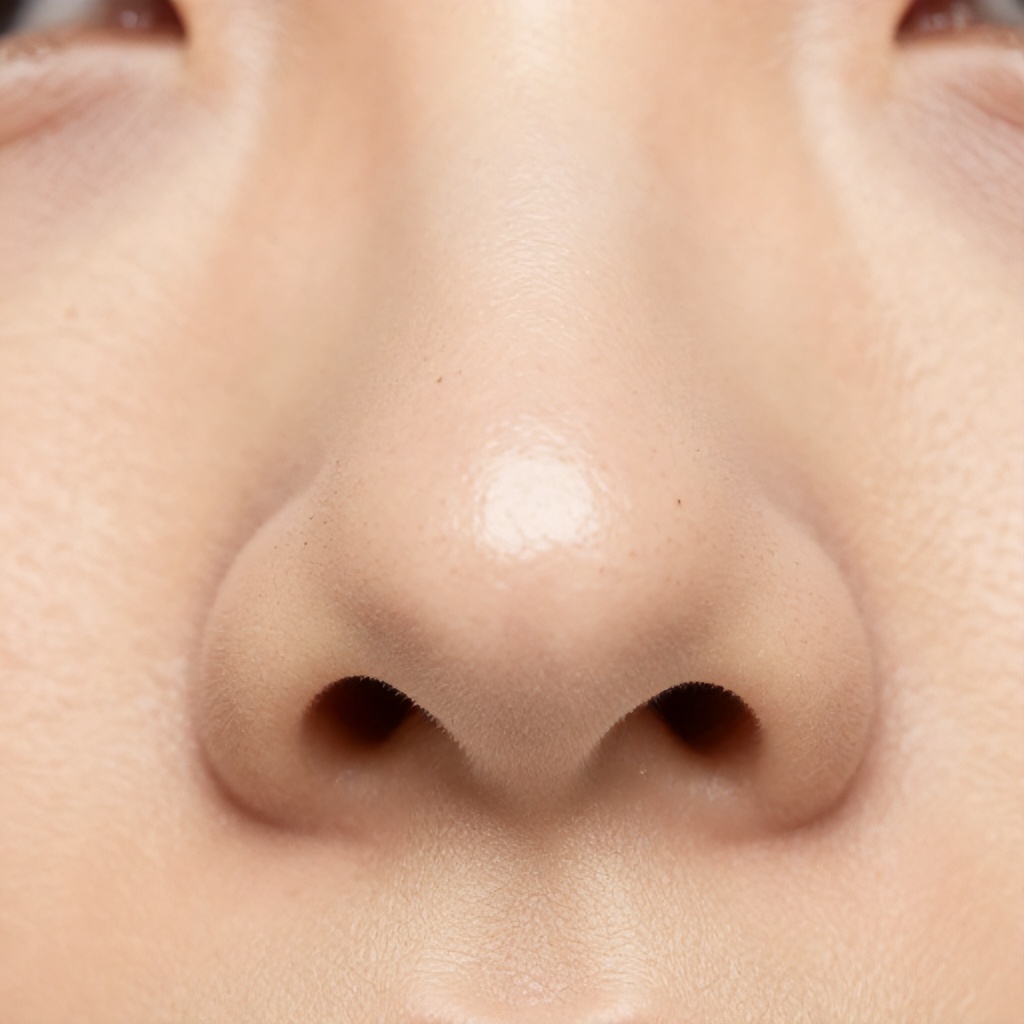
Blackheads, those little dark spots that often pop up on your nose, chin, and forehead, aren’t actually dirt. They’re a type of acne called an open comedone. When a pore gets clogged with excess oil (sebum) and dead skin cells, it forms a plug. Unlike whiteheads, which remain closed, the top of a blackhead is open to the air. This exposure causes the trapped sebum and dead skin cells to oxidize, turning them dark.
It’s a common skin concern, and understanding the “why” behind them is the first step to tackling them effectively. Genetics, hormonal changes, and even certain skincare products can play a role in their appearance. But don’t worry, you don’t need to resort to harsh scrubbing or painful extractions to see clearer skin.
The Foundation: Daily Cleansing for Blackhead Prevention
A consistent daily cleansing routine is your absolute best friend when it comes to fighting blackheads. Think of it as clearing the runway for your skin to breathe and stay clear.
Morning Cleanse: Waking Up Your Skin
Even if your skin feels clean in the morning, a gentle cleanse is important. Overnight, your skin produces sebum and sheds dead cells. A quick wash removes this buildup before it has a chance to clog pores.
Use a mild, water-based cleanser. Avoid anything too stripping, as this can actually signal your skin to produce more oil to compensate. Gently massage the cleanser onto damp skin, then rinse thoroughly with lukewarm water. Pat your face dry with a clean towel – no rubbing!
Evening Cleanse: Washing Away the Day
This is arguably the most critical cleansing step. You need to remove makeup, sunscreen, pollution, and the day’s oil and grime. If you wear makeup, consider a double cleansing method.
First, use an oil-based cleanser or micellar water to break down makeup and sunscreen. These are formulated to effectively dissolve oil-based impurities. Massage it onto dry skin, then add a little water to emulsify and rinse. Follow this with your regular water-based cleanser to ensure all residue is gone. This thorough approach prevents pore-clogging ingredients from lingering overnight.
Exfoliation: The Key to Unclogging Pores
Exfoliation is where the magic happens for actively tackling existing blackheads and preventing new ones. It’s all about removing those dead skin cells that contribute to clogs.
Chemical Exfoliants: Gentle Yet Powerful
Chemical exfoliants use acids to dissolve the bonds between dead skin cells. They are often more effective and less irritating than physical scrubs for many people.
- Alpha Hydroxy Acids (AHAs): These water-soluble acids, like glycolic acid and lactic acid, work on the skin’s surface. They are great for improving skin texture and can help fade dark spots.
- Beta Hydroxy Acids (BHAs): Salicylic acid is the star here. It’s oil-soluble, meaning it can penetrate deep into pores to break down sebum and dead skin cells. This makes it particularly effective for blackhead removal. Look for cleansers, toners, or serums containing salicylic acid.
Start slowly with chemical exfoliants, perhaps 1-2 times a week, and gradually increase frequency as your skin tolerates it. Over-exfoliation can lead to redness, irritation, and increased sensitivity.
Physical Exfoliants: Use with Caution
Physical exfoliants use small particles to manually slough off dead skin cells. While they can offer immediate smoothness, they can also be too harsh if not used correctly.
If you choose a physical exfoliant, opt for one with very fine, smooth particles like jojoba beads or finely ground oats. Avoid harsh scrubs with large, irregular particles like crushed nut shells, which can create micro-tears in the skin. Use gentle pressure and only 1-2 times per week. Always follow with a soothing moisturizer.
Targeted Treatments: For Stubborn Blackheads
Sometimes, daily habits aren’t quite enough. Targeted treatments can provide an extra boost.
Clay Masks: Drawing Out Impurities
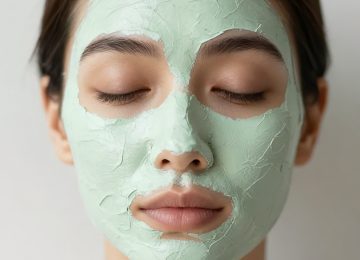
Clay masks are fantastic for absorbing excess oil and drawing out impurities from pores. Ingredients like bentonite clay and kaolin clay are common. When applied to the skin, the clay hardens, creating a vacuum that pulls out dirt and sebum.
Use a clay mask once a week or as needed. Apply a thin, even layer to clean skin, avoiding the eye area. Leave it on for the time recommended on the product (usually 10-15 minutes) until it’s mostly dry but not completely cracked and uncomfortable. Rinse thoroughly with warm water.
Pore Strips: A Quick Fix (with Caveats)
Pore strips can offer a satisfying visual of what’s being removed from your pores. However, they can be quite aggressive. They work by adhering to the pore and pulling out the contents when removed.
While they can temporarily clear out some blackheads, they don’t address the underlying cause. Overuse can lead to enlarged pores, redness, and even broken capillaries. If you choose to use them, do so sparingly and always follow the instructions carefully. Apply to clean, damp skin and remove gently.
Retinoids: The Long-Term Powerhouse
Retinoids, derived from Vitamin A, are incredibly effective for a multitude of skin concerns, including blackheads. They work by increasing cell turnover and preventing pores from becoming clogged in the first place. They also help to regulate oil production over time.
You can find retinoids over-the-counter (like retinol) or by prescription (like tretinoin). Start with a low concentration and apply only a pea-sized amount a few nights a week. Retinoids can cause initial dryness, peeling, and increased sun sensitivity, so always use sunscreen during the day. They are best used as part of your nighttime routine.
Hydration: Don’t Skip the Moisturizer!
It might seem counterintuitive, but moisturizing is crucial even for oily, blackhead-prone skin. When your skin is dehydrated, it can actually overcompensate by producing more oil, leading to more clogged pores.
Choose a lightweight, oil-free, non-comedogenic moisturizer. Gel-based or water-based formulas are excellent choices. Apply it after cleansing and any treatments, while your skin is still slightly damp, to lock in moisture.
Sun Protection: A Non-Negotiable Step
Sunscreen is vital for everyone, but especially when you’re using exfoliating treatments or retinoids. These ingredients can make your skin more sensitive to the sun, increasing the risk of sunburn and long-term damage.
Daily application of a broad-spectrum SPF 30 or higher sunscreen is essential. It protects your skin from UV rays, which can worsen hyperpigmentation and accelerate aging. Look for formulas labeled “non-comedogenic” to avoid pore-clogging ingredients.
Lifestyle Factors: Beyond the Skincare Routine
What you do outside of your skincare routine also impacts your skin’s health.
Hands Off!
Resist the urge to pick or squeeze blackheads. Your fingers carry bacteria, and forcing blackheads out can push bacteria deeper into the pore, leading to inflammation, infection, and scarring. It can also stretch pores, making them appear larger.
Clean Your Tools
If you use makeup brushes or sponges, make sure they are cleaned regularly. Dirty tools can transfer bacteria and oil to your face, contributing to breakouts.
Diet and Hydration
While the link between diet and acne is complex and varies from person to person, some find that reducing processed foods, excessive sugar, and dairy can help. Staying well-hydrated by drinking plenty of water is always beneficial for overall skin health.
Consistency is Key
The most effective way to achieve and maintain clearer skin free from blackheads is through consistency. It’s not about a quick fix, but a sustained effort. Stick with your routine, be patient, and celebrate the small victories as your skin begins to clear up.