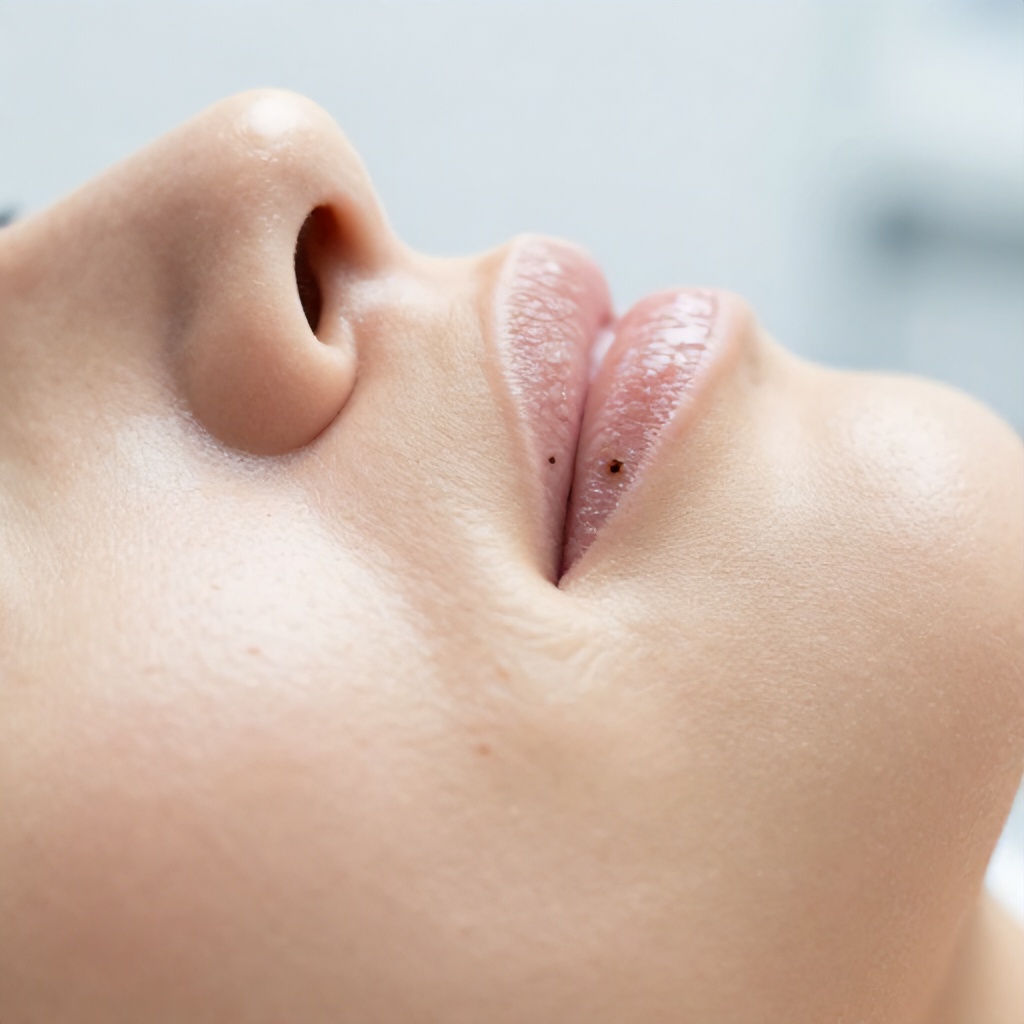
Blackheads form when hair follicles become clogged with a combination of excess sebum and dead skin cells, creating a dark plug that sits at the surface of the pore. Unlike whiteheads, which remain closed and covered by a thin layer of skin, blackheads stay open to the air. This exposure causes the oil to oxidize, turning the debris a dark brown or black color. Managing these stubborn spots requires a consistent approach focused on chemical exfoliation, oil control, and gentle maintenance rather than aggressive physical extraction.
The Science of Pore Congestion
Your skin naturally produces oil, known as sebum, to keep itself hydrated and protected. This oil travels up the hair follicle to reach the surface. When your skin produces too much oil, or when dead skin cells fail to shed properly, they clump together inside the pore lining. This creates a blockage. Once the blockage reaches the surface, the air reacts with the melanin in the oil, resulting in the characteristic dark appearance. Factors like hormonal fluctuations, high-humidity environments, and the use of heavy, comedogenic skincare products often worsen this process.
Understanding that blackheads are not caused by poor hygiene is the first step toward effective treatment. Scrubbing your face harder or washing it five times a day will not clear the pores. In fact, over-cleansing often strips the skin of its natural moisture barrier, triggering the sebaceous glands to produce even more oil to compensate. This creates a cycle of irritation that makes the skin appear dull and congested.
Why Physical Scrubs Often Fail
Many people reach for harsh physical scrubs containing walnut shells or apricot pits to buff away blackheads. These products create micro-tears in the skin surface. While the skin might feel smooth immediately after use, the damage to the moisture barrier leads to inflammation. Inflammation makes pores look larger and encourages the skin to produce more oil. Gentle chemical exfoliation is a far more effective way to dissolve the bond between dead skin cells and the pore lining.
Chemical Exfoliation Strategies
Salicylic acid stands out as the gold standard for treating blackheads. As a beta-hydroxy acid, it is oil-soluble, meaning it can penetrate deep into the pore to dissolve the hardened sebum and debris. This action clears the blockage from the inside out. Incorporating a salicylic acid treatment into your routine two to three times a week can significantly reduce the frequency of new blackheads.
- Start with a low concentration, typically around 0.5 percent to 2 percent, to see how your skin reacts.
- Apply the treatment to clean, dry skin, focusing specifically on areas prone to congestion like the nose, chin, and forehead.
- Allow the product to absorb fully before applying your moisturizer.
- Monitor for any signs of dryness or flaking, which indicate that you should reduce the frequency of application.
Beyond salicylic acid, retinoids play a vital role in long-term skin health. Retinoids, which are vitamin A derivatives, increase the rate of cell turnover. By encouraging the skin to shed dead cells more efficiently, retinoids prevent the initial clumping that leads to blackheads. They also help regulate oil production over time. Because retinoids can be potent, they require a slow introduction. Begin by using a pea-sized amount twice a week at night, gradually increasing usage as your skin builds tolerance.
Oil Control and Hydration Balance
Managing oil production is not about drying out your face. It is about balancing the skin so it does not feel the need to overproduce sebum. If you have oily skin, look for lightweight, gel-based moisturizers that are labeled non-comedogenic. These formulas provide necessary hydration without adding heavy waxes or oils that could further clog your pores. Ingredients like hyaluronic acid and glycerin are excellent choices because they draw moisture into the skin without feeling heavy or greasy.
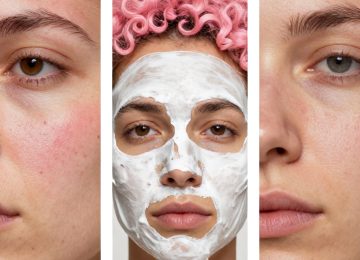
Clay masks can be a helpful addition to your weekly routine for absorbing excess surface oil. Kaolin and bentonite clays act like a magnet for impurities. When applied to the skin, they draw out the oil sitting at the top of the pore. Use these masks sparingly, perhaps once a week, to avoid dehydrating your complexion. If you have sensitive skin, apply the mask only to the T-zone rather than the entire face to prevent unnecessary tightness on the cheeks.
The Role of Double Cleansing
Double cleansing is a technique that uses an oil-based cleanser followed by a water-based cleanser. This method is particularly effective for those who wear makeup or heavy sunscreen. Oil dissolves oil, so an oil-based cleanser or cleansing balm effectively breaks down the sebum and SPF that can sit on the skin throughout the day. Following this with a gentle, water-based cleanser ensures that all residue is removed, leaving the pores clean and ready for treatment products.
- Apply the oil cleanser to dry skin and massage it in circular motions for at least sixty seconds.
- Add a small amount of warm water to emulsify the oil into a milky texture.
- Rinse thoroughly and follow with your regular foaming or gel cleanser.
- Pat your skin dry with a clean towel to avoid transferring bacteria back onto your face.
Professional Treatments and Extractions
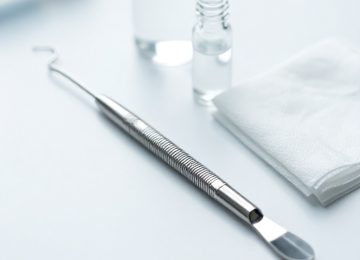
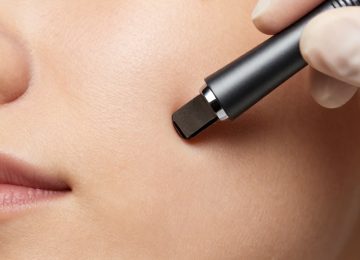
Sometimes, stubborn blackheads require professional intervention. A licensed esthetician or dermatologist can perform safe extractions using sterile tools. Attempting to squeeze blackheads at home often leads to scarring, broken capillaries, and the spread of bacteria, which can turn a small blackhead into an inflamed, painful pimple. If you notice a deep, painful bump that does not respond to topical treatments, it is best to consult a professional rather than trying to force it out.
Chemical peels performed in a clinical setting can also provide deeper exfoliation than at-home products. These peels use higher concentrations of acids to remove the top layers of dead skin, clearing out congested pores and improving overall skin texture. A professional can assess your skin type and determine the appropriate strength and type of peel to ensure safety and effectiveness.
Lifestyle Factors That Influence Skin Health
Your environment and habits significantly impact how your skin behaves. Pillowcases, for instance, collect oil, hair products, and dead skin cells every night. Changing your pillowcase at least once a week prevents you from pressing your face into a buildup of bacteria while you sleep. Similarly, keeping your phone screen clean is a simple habit that prevents the transfer of oil and grime to your cheeks and jawline.
Dietary choices affect some people more than others. While there is no single food that causes blackheads, high-glycemic diets have been linked to increased inflammation and oil production in some individuals. Staying hydrated by drinking plenty of water helps maintain overall skin function, though it does not replace the need for a targeted topical routine. Focus on a balanced diet rich in antioxidants, which help protect the skin from environmental stressors that can contribute to premature aging and congestion.
Common Mistakes to Avoid
Many people fall into the trap of using pore strips. While these strips provide immediate gratification by pulling out the top layer of debris, they do not address the root cause of the blackhead. They can also be quite traumatic to the skin, causing redness and irritation. Over time, the constant pulling can weaken the skin around the pore, potentially making the pore appear larger.
Another common error is layering too many active ingredients at once. Using a salicylic acid cleanser, a toner, a serum, and a spot treatment all in one go is a recipe for a damaged moisture barrier. Your skin needs time to heal and recover. If you are using a retinoid at night, avoid using strong acids in the same routine. Alternate your products to ensure your skin stays calm and balanced.
Building a Consistent Routine
Consistency is the most important factor in clearing blackheads. It can take several weeks or even months to see a significant difference in your skin. Do not get discouraged if you do not see results after three days. Stick to your routine and allow your skin cells to complete their natural turnover cycle.
A simple, effective morning routine might look like this:
- Cleanse with a gentle, water-based cleanser.
- Apply a lightweight, hydrating serum.
- Use a non-comedogenic moisturizer.
- Finish with a broad-spectrum sunscreen, which is essential for protecting your skin from UV damage that can make acne marks darker and more permanent.
Your evening routine should focus on cleaning and treatment:
- Use an oil-based cleanser to remove sunscreen and makeup.
- Follow with a water-based cleanser.
- Apply your treatment product, such as a salicylic acid serum or a retinoid.
- Apply a moisturizer to lock in hydration and support the skin barrier.
Understanding Your Skin Type
Not all blackheads are the same because not all skin is the same. Oily skin types may benefit from more frequent use of salicylic acid and clay masks. Dry or sensitive skin types, however, need to be much more cautious. If you have dry skin, look for products that contain soothing ingredients like centella asiatica or niacinamide alongside your exfoliants. Niacinamide is particularly useful as it helps regulate oil production while also strengthening the skin barrier and reducing redness.
If you have combination skin, you might find that your T-zone is oily and prone to blackheads while your cheeks are dry. In this case, practice multi-masking or spot-treating. Apply your salicylic acid treatment only to the nose and chin, and use a hydrating, gentle moisturizer on the rest of your face. This targeted approach prevents you from over-treating areas that do not need it.
The Importance of Patience
Skin health is a marathon, not a sprint. The products you use today are setting the stage for the health of your skin in the coming months. If you experience a sudden breakout, evaluate your recent changes. Did you introduce a new product? Have you been under more stress than usual? Sometimes, the skin goes through a purging phase when starting a new retinoid or acid, where it pushes congestion to the surface faster than usual. This is normal and usually subsides within a few weeks.
If the irritation persists, stop using the new product and return to a basic routine of cleansing and moisturizing. Once your skin feels calm, you can reintroduce the active ingredient at a lower frequency. Listening to your skin is the best way to determine what works for you. If your skin feels tight, stinging, or looks red, it is telling you that you are doing too much. Scale back, focus on hydration, and let your skin barrier recover.
Long-Term Maintenance
Once you have managed to clear your blackheads, the goal shifts to maintenance. You do not need to stop using your effective products just because your skin looks clear. Continue using your salicylic acid or retinoid, perhaps at a lower frequency, to keep the pores clear and the skin texture smooth. Regular, gentle exfoliation is the key to preventing the buildup that leads to blackheads in the first place.
Remember that your skin changes with the seasons. You might need a heavier moisturizer in the winter and a lighter, gel-based one in the summer. You might find that you need more oil control during humid months. Adjusting your routine based on how your skin feels and the environment you are in will help you maintain a clear, healthy complexion year-round.
Finally, prioritize sleep and stress management. High stress levels trigger the release of cortisol, which can increase oil production and lead to more breakouts. Getting enough rest allows your skin to repair itself. While these lifestyle factors are not as immediate as a topical serum, they are the foundation upon which all your skincare efforts are built. By combining a smart, consistent topical routine with healthy habits, you create the best possible environment for your skin to thrive.
Choosing the Right Products
When shopping for skincare, look at the ingredient list rather than the marketing claims on the front of the bottle. Avoid products that contain high amounts of fragrance or essential oils, as these can be irritating and cause inflammation, which makes pores look worse. Look for brands that prioritize transparency and clinical testing. You do not need to spend a fortune to find effective products; many drugstore brands offer excellent, science-backed formulas that contain the same active ingredients as luxury options.
Check for the term non-comedogenic on packaging, which means the product is formulated to not clog pores. While this is not a guarantee, it is a helpful starting point. If you are unsure about a product, look for reviews from people with similar skin types to yours. Pay attention to how long they have been using the product and whether they experienced any side effects. Building a routine that works for you is a process of trial and error, but once you find the right combination of products, your skin will thank you.
Keep your routine simple. A complex ten-step routine is often unnecessary and can lead to more irritation than benefits. A cleanser, a treatment, a moisturizer, and a sunscreen are all you really need to address blackheads and maintain overall skin health. Adding more steps often complicates the process and makes it harder to identify which product is actually working or which one is causing a reaction. Stick to the basics, be patient, and enjoy the process of taking care of your skin.
Ultimately, the goal is not to achieve a poreless, airbrushed look, which is impossible. Pores are a natural part of human skin. The goal is to keep them clean, healthy, and functioning properly. By focusing on gentle, consistent care, you can minimize the appearance of blackheads and enjoy a clearer, more radiant complexion. Your skin is your largest organ, and treating it with kindness and consistency will pay off in the long run.