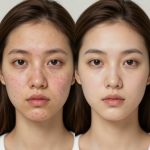
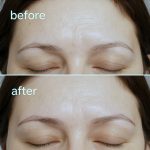
Professional blackhead removal performed on the nose offers a highly effective and safe method to achieve significantly clearer skin, often surpassing the results achievable with at-home remedies.
Understanding Blackheads and Why They Favor Your Nose
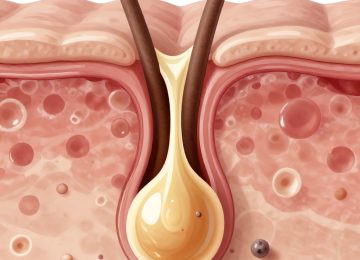
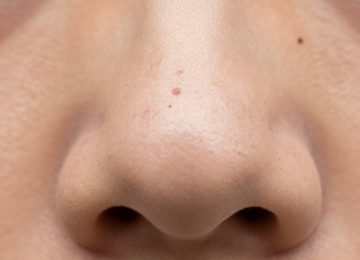
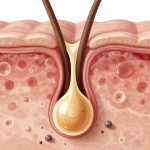
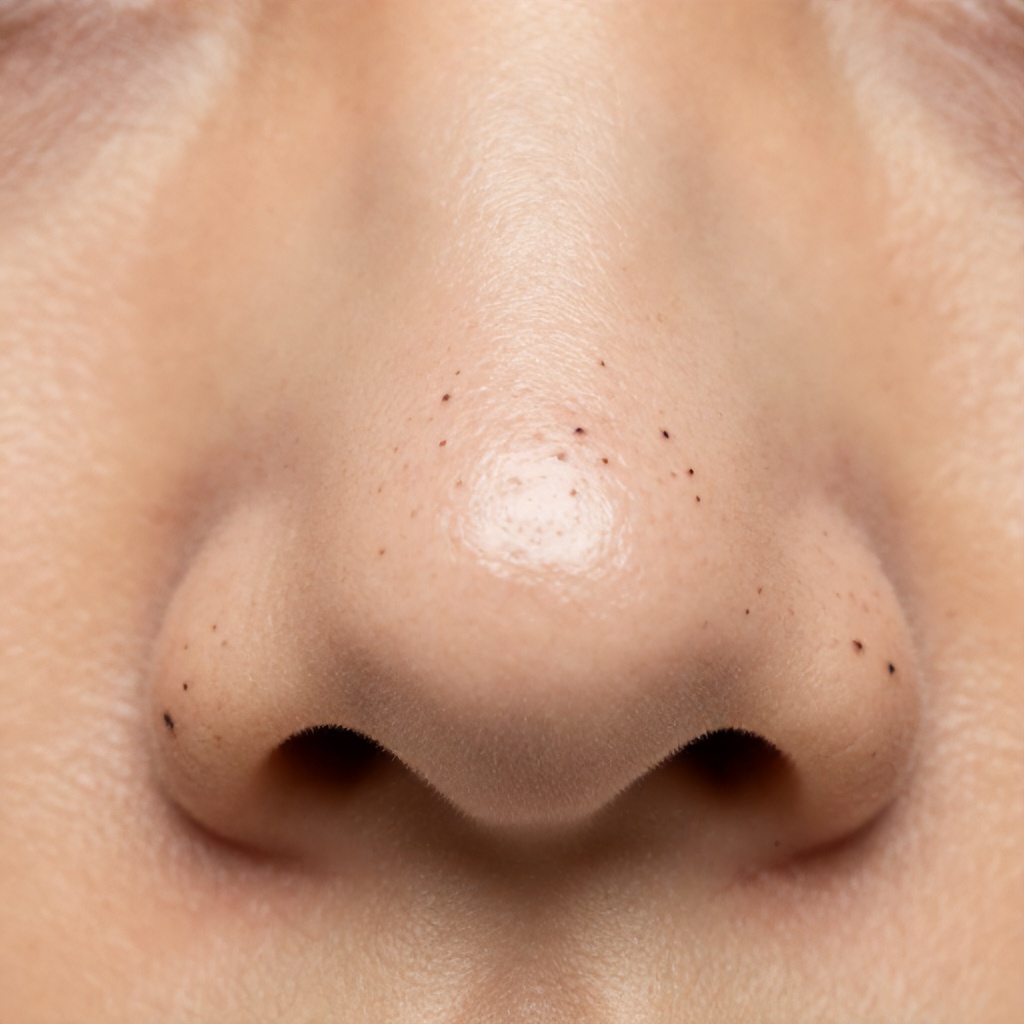
Blackheads, technically known as open comedones, are a common form of mild acne. They appear as small, dark spots on the skin, particularly noticeable on the nose and other areas of the T-zone. These blemishes form when hair follicles become clogged with a mixture of dead skin cells, excess oil (sebum), and bacteria.
The dark color isn’t dirt, as many people mistakenly believe. Instead, it’s a result of the pore’s opening being exposed to air, which oxidizes the melanin and sebum within the clogged pore, turning it black. This process is distinct from a whitehead, which is a closed comedone where the pore opening remains covered by skin.
Your nose is particularly prone to blackheads for several reasons. It has a higher concentration of sebaceous glands, leading to increased sebum production. The pores on the nose also tend to be larger and more visible, making them more susceptible to becoming clogged. This constant battle with skin congestion makes professional attention a valuable asset for many individuals seeking clear skin.
Why Professional Blackhead Removal is Superior to DIY Methods
While the temptation to squeeze blackheads at home can be strong, it often leads to more harm than good. DIY extraction attempts, especially without proper technique or sterile tools, carry significant risks. You might inadvertently push the contents of the pore deeper into the skin, leading to inflammation, infection, or even permanent scarring.
Aggressive squeezing can also damage the surrounding skin tissue, causing redness, bruising, and broken capillaries. Furthermore, without the right tools and expertise, it’s challenging to fully extract the blackhead, meaning you might only remove a portion, leaving the rest to re-clog quickly. Professional blackhead removal, or comedone extraction, minimizes these risks by employing sterile techniques and specialized tools.
Who Performs Professional Blackhead Removal?
When considering professional blackhead removal, you’ll typically consult one of two types of skin specialists:
-
Licensed Estheticians
Most professional blackhead removal treatments are performed by licensed estheticians in a beauty clinic or spa setting. Estheticians are trained skincare professionals who specialize in cosmetic procedures and facial treatments. They have extensive knowledge of skin purification, deep pore cleansing, and various techniques to improve skin health and appearance. Their services are ideal for routine maintenance and addressing common skin congestion.
-
Dermatologists
For more severe or persistent cases of blackheads, or if your blackheads are part of a broader acne treatment plan, a dermatologist might be the better choice. Dermatologists are medical doctors specializing in skin health and diseases. They can perform dermatological procedures, prescribe stronger topical or oral medications, and address underlying causes of acne. If you suspect your blackheads are more than just a cosmetic concern, a dermatologist can provide a comprehensive assessment and treatment plan.
Regardless of who you choose, always ensure they are licensed, experienced, and work in a clean, reputable environment. Don’t hesitate to ask about their qualifications and the hygiene protocols they follow.
The Professional Blackhead Removal Process: A Detailed Look
A professional blackhead removal treatment is a multi-step process designed to safely and effectively clear your pores, especially those stubborn nose blackheads. Here’s what you can expect:
-
Initial Consultation and Skin Analysis
The session typically begins with a thorough consultation. Your esthetician or dermatologist will assess your skin type, discuss your concerns, and evaluate the severity of your blackheads and overall skin congestion. This step is crucial for customizing the facial treatment to your specific needs and ensuring the procedure is appropriate for your skin health.
-
Deep Cleansing and Preparation
Your skin will be meticulously cleansed to remove any makeup, dirt, and surface impurities. This creates a clean canvas for the treatment. Following cleansing, a gentle exfoliation might be performed to loosen dead skin cells and prepare the pores. Often, a warm steam treatment is applied to the face. The steam helps to soften the sebum within the clogged pores and relax the skin, making the extraction process much easier and less uncomfortable.
-
Comedone Extraction
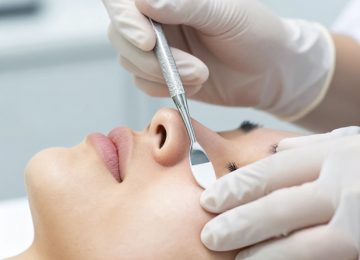
This is the core of the blackhead removal process. Using sterile gloves and often a magnifying lamp, the professional will carefully and precisely extract each blackhead. They typically use a specialized pore extractor tool, which is a small metal loop designed to apply even pressure around the pore. Alternatively, they might use cotton swabs wrapped around their fingers for a gentler approach.
The technique involves applying gentle, controlled pressure around the blackhead to encourage the compacted sebum and debris to release from the pore. This meticulous approach ensures that the entire blackhead is removed without damaging the surrounding skin. Focusing on nose blackheads and other areas of the T-zone where blackheads are most prevalent, the esthetician works systematically to clear as many clogged pores as possible.
-
Soothing and Calming
After the extractions are complete, the skin may appear slightly red or irritated. To minimize this, a soothing toner is applied to help close the pores and balance the skin’s pH. This is often followed by a calming mask, which can contain ingredients like aloe vera or chamomile to reduce inflammation and promote healing. This step is vital for pore refining and ensuring your skin feels comfortable post-treatment.
-
Hydration and Protection
The facial treatment concludes with the application of a hydrating serum and a moisturizer suitable for your skin type. Finally, a broad-spectrum SPF is applied to protect your newly purified skin from sun damage, which is especially important after any exfoliation or extraction procedure. This comprehensive approach supports overall skin health and helps maintain the results of the deep pore cleansing.
Benefits of Professional Blackhead Removal
Opting for professional blackhead removal offers a multitude of advantages beyond just clearer skin:
-
Immediate Improvement: You’ll notice an immediate reduction in skin congestion and a smoother texture on your nose and surrounding areas.
-
Reduced Pore Appearance: By clearing out the debris that stretches pores, professional extraction can make your pores appear smaller and more refined over time. This pore refining effect contributes to a more even skin tone.
-
Prevention of Future Breakouts: Removing existing blackheads helps prevent them from progressing into more inflamed forms of acne, such as pimples or cysts.
-
Improved Product Absorption: With clear pores, your skincare products can penetrate more effectively, allowing active ingredients to work better.
-
Enhanced Skin Health: Regular professional pore cleansing contributes to overall skin health, promoting a healthier barrier function and a more radiant complexion.
-
Safety and Hygiene: Performed in a sterile environment by a trained professional, the risk of infection, scarring, or further irritation is significantly reduced compared to at-home attempts. This ensures a safe and effective blemish removal process.
What to Expect During and After Your Treatment
During the actual comedone extraction, you might experience some mild discomfort or pressure, particularly on more stubborn blackheads. It’s generally not described as painful, but rather a sensation of pinching or pressure as the contents are released. Communicate any significant discomfort to your professional.
Immediately after your professional skincare session, it’s completely normal for your nose and surrounding areas to appear red and possibly slightly swollen. This is a temporary reaction to the manual extraction. The redness typically subsides within a few hours to a day. Your skin might also feel a little sensitive.
Over the next few days, you’ll observe your skin becoming significantly clearer and smoother. It’s crucial to follow any post-treatment advice given by your esthetician or dermatologist. This usually includes avoiding harsh products, excessive sun exposure, and picking at your skin to allow it to heal properly. Gentle cleansing and hydration are key during this recovery period.
How Often Should You Get Professional Blackhead Removal?
The frequency of professional blackhead removal treatments depends on several factors, including your skin type, the severity of your blackheads, your daily skincare routine, and your lifestyle. For individuals with oily or acne-prone skin that experiences frequent skin congestion, monthly or bi-monthly sessions might be beneficial to maintain clear skin.
Others with less severe issues might find quarterly treatments sufficient. Your esthetician can recommend an ideal schedule based on your skin’s response and needs during your initial consultation and subsequent visits. Consistency is often key to achieving and maintaining long-term results and preventing the build-up of sebum and dead skin cells.
Complementary Skincare for Long-Term Results
Professional blackhead removal is a powerful tool, but it works best when supported by a consistent and appropriate at-home skincare routine. This comprehensive approach is essential for preventing new blackheads and prolonging the effects of your cosmetic procedure.
-
Gentle Cleansing: Wash your face twice daily with a mild, non-comedogenic cleanser to remove surface oil and impurities without stripping your skin.
-
Targeted Exfoliation: Incorporate chemical exfoliants like salicylic acid (BHA) into your routine. Salicylic acid is oil-soluble, allowing it to penetrate into the pores and dissolve sebum, making it highly effective for preventing and treating clogged pores. Gentle physical exfoliation can also be used sparingly, but avoid aggressive scrubbing.
-
Non-Comedogenic Products: Always choose skincare and makeup products labeled “non-comedogenic” to ensure they won’t clog your pores.
-
Hydration: Even oily skin needs hydration. Use a lightweight, oil-free moisturizer to keep your skin balanced and prevent it from overproducing oil to compensate for dryness.
-
Sun Protection: Daily use of a broad-spectrum SPF is non-negotiable. Sun exposure can exacerbate hyperpigmentation from blemishes and damage skin health.
By combining professional esthetician services with a diligent home skincare routine, you create a powerful defense against blackheads and maintain a consistently clear, healthy complexion.
When to Consider a Dermatologist Instead
While estheticians are excellent for routine blackhead removal and general skin purification, there are instances where a dermatologist’s expertise is warranted. If you experience persistent or severe acne, including cystic acne or deep nodules, a dermatologist can provide medical-grade treatments and diagnose any underlying conditions. Concerns about significant scarring, unusual skin reactions, or if your blackheads are resistant to regular treatments also point towards a dermatological procedure. They can offer prescription-strength solutions and advanced treatments that an esthetician cannot.