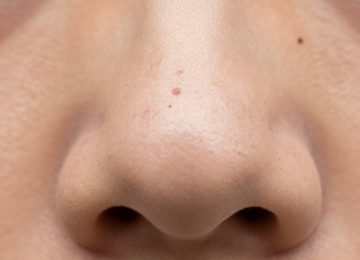
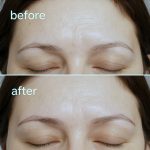
Those tiny dark spots and rough patches on your forehead skin, often blackheads and clogged pores, are a common skin concern that many people experience, and understanding their causes is the first step toward clearer, healthier skin.
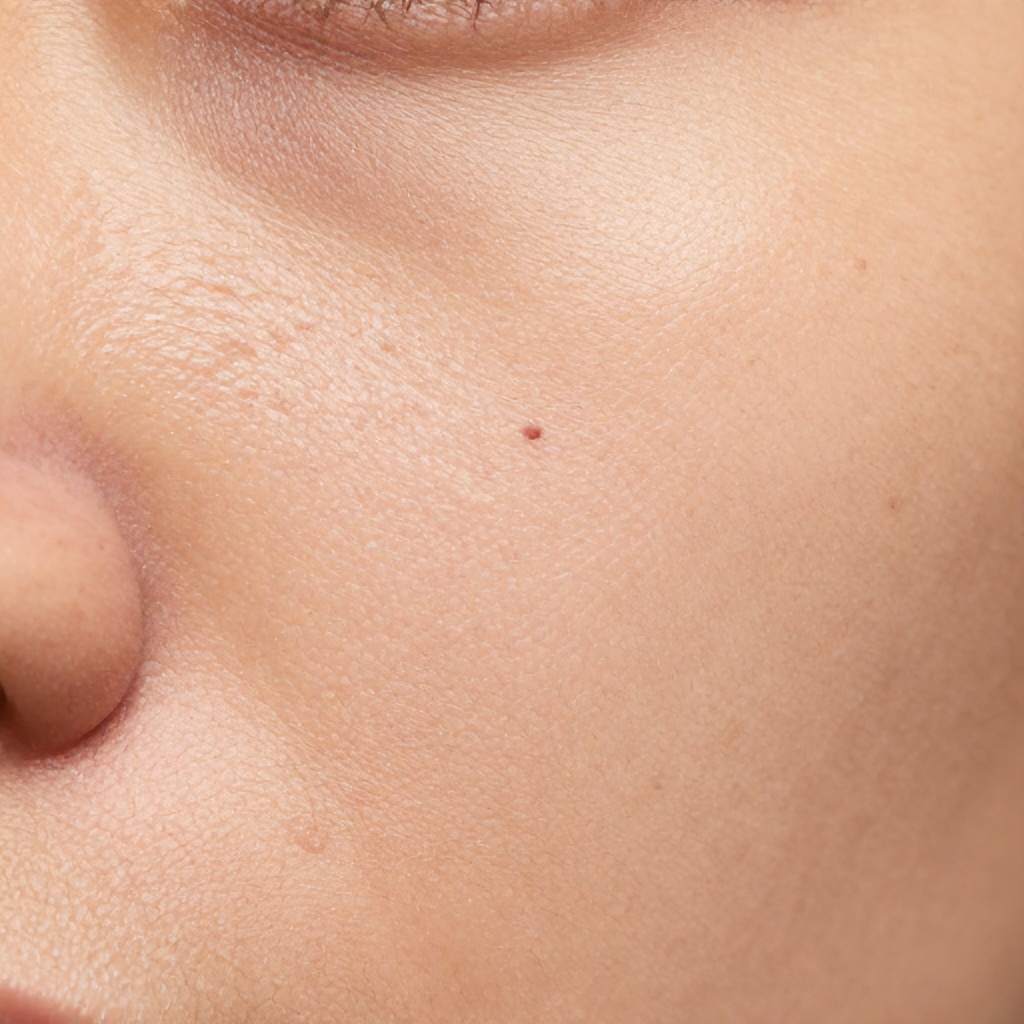
Understanding Blackheads and Clogged Pores on Your Forehead Skin
The skin on your forehead is just as susceptible to various skin conditions as any other part of your face, sometimes even more so due to its location in the T-zone. When we talk about forehead skin with blackheads and clogged pores, we’re referring to specific types of follicular irregularities that stem from a common issue: blocked hair follicles.
What Exactly Are Blackheads?
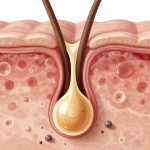
Blackheads, scientifically known as open comedones, are small, dark lesions that appear on the skin surface. They form when a hair follicle becomes clogged with a mixture of sebum (the natural oil produced by your skin’s sebaceous glands) and dead skin cells. What makes them “black” isn’t dirt, as many people mistakenly believe. Instead, the pore blockage has an opening to the air, and the melanin (skin pigment) and oxidized sebum at the surface react with oxygen, turning dark. These are distinct from other skin blemishes because they are open at the top, allowing for this oxidation.
What Are Clogged Pores?
Clogged pores is a broader term, often encompassing blackheads but also referring to closed comedones, more commonly known as whiteheads. Like blackheads, these form when a hair follicle becomes blocked with sebum and dead skin cells. The key difference is that with a clogged pore or whitehead, the opening to the skin surface is covered by a thin layer of skin, preventing the contents from oxidizing and remaining white or flesh-colored. Both blackheads and whiteheads contribute to uneven skin texture and can feel like small, raised bumps under the skin.
Why the Forehead is a Hotspot for Skin Congestion
It’s no coincidence that many people notice a higher concentration of blackheads and clogged pores on their forehead. This area, along with the nose and chin, forms the T-zone, which typically has a higher density of sebaceous glands. More oil production naturally increases the likelihood of pore blockage.
Beyond natural oiliness, several factors make the forehead particularly vulnerable to skin imperfections:
-
Hair Products: Hair gels, mousses, conditioners, and even shampoos can drip or transfer onto the forehead. Many of these products contain oils or silicones that can be comedogenic, meaning they can clog pores.
-
Sweat and Friction: Exercise, hot weather, or even wearing hats, headbands, or bangs can trap sweat, oil, and bacteria against the forehead skin, creating an ideal environment for congestion.
-
Touching Your Face: Unconsciously resting your hand on your forehead, or constantly pushing hair back, can transfer dirt, oil, and bacteria from your hands to your facial skin.
-
Makeup Application: Heavy or oil-based foundations and concealers, especially if not thoroughly removed, can contribute significantly to pore blockage on the forehead surface.
Common Causes of Blackheads and Clogged Pores
Understanding the root causes of these skin irregularities is fundamental to effectively managing and preventing them. It’s often a combination of internal and external factors that leads to congested skin.
Excess Sebum Production
Our sebaceous glands produce sebum to keep our skin moisturized and protected. However, overactive glands can produce too much oil. This excess sebum mixes with dead skin cells, forming a sticky plug within the hair follicle, leading to dilated pores and visible pore blockage. Hormonal fluctuations, especially during puberty, menstruation, pregnancy, or stress, are major drivers of increased oil production.
Accumulation of Dead Skin Cells
Our skin constantly sheds dead cells to make way for new ones. Sometimes, this natural exfoliation process doesn’t happen efficiently. When dead skin cells linger on the skin surface, they can combine with sebum and become trapped in the hair follicles, exacerbating the problem of clogged pores and contributing to an uneven skin texture.
Hormonal Imbalances
Androgens, a type of hormone, can stimulate the sebaceous glands to produce more oil. This is why many people experience breakouts, including blackheads and whiteheads, during periods of hormonal change. Teenagers, women experiencing their menstrual cycle, pregnant individuals, and those with certain medical conditions are particularly susceptible to hormonally induced skin congestion.
Comedogenic Skincare and Makeup Products
Not all products are created equal. Many cosmetics and skincare items contain ingredients that are known to clog pores. These are called comedogenic ingredients. Using heavy creams, foundations, or sunscreens that aren’t labeled “non-comedogenic” or “oil-free” can directly contribute to the formation of blackheads and other skin blemishes on the forehead skin and other areas of the face.
Environmental Factors
Pollution, humidity, and even harsh UV radiation can impact skin health. Environmental aggressors can lead to increased free radical damage, which can disrupt skin barrier function and contribute to inflammation and pore blockage. High humidity can also increase sweat and oil production, potentially worsening skin conditions.
Dietary Considerations
While the link between diet and acne is complex and still researched, some studies suggest that high glycemic index foods and dairy products might influence hormonal activity and inflammation, potentially impacting skin health and sebum production. However, diet is generally considered a secondary factor compared to genetics and hormones.
Genetics
Unfortunately, some individuals are simply predisposed to oily skin and larger, more visible pores due to their genetic makeup. If your parents had oily skin or were prone to acne and blackheads, you might find yourself facing similar skin irregularities.
Identifying Different Types of Forehead Blemishes
While we often lump all forehead skin imperfections together, distinguishing between them helps in choosing the right treatment strategy.
Open Comedones (Blackheads)
These are the classic dark spots. They are small, usually 1-2 mm in diameter, and have a dark center. You can often feel them as slightly raised bumps, but they are generally not inflamed or painful unless irritated. They represent sebum and dead skin cells that have oxidized at the skin surface.
Closed Comedones (Whiteheads)
These appear as small, flesh-colored or whitish raised bumps. Unlike blackheads, they don’t have a visible dark opening. The pore is completely blocked, preventing oxidation. Whiteheads are often precursors to inflamed pimples if bacteria proliferate within the blocked follicle.
Enlarged or Dilated Pores
While not strictly a blackhead or whitehead, enlarged pores often go hand-in-hand with skin congestion. When pores are frequently clogged, they can stretch and become more visible. Even after the blockage is cleared, the pore might remain somewhat dilated. This contributes to an uneven skin texture and can make the skin surface appear less smooth.
Effective Strategies for Clearer Forehead Skin
Tackling blackheads and clogged pores requires a consistent and multi-faceted approach. The goal is to regulate oil production, promote healthy skin cell turnover, and keep pores clear without irritating the skin.
Gentle and Consistent Cleansing
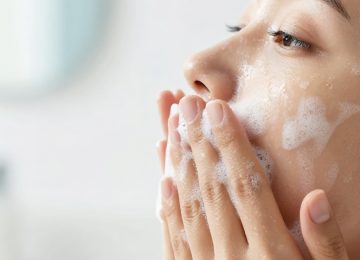
Washing your face twice daily is essential, but how you do it matters. Use a mild, pH-balanced cleanser that doesn’t strip your skin of its natural oils, as this can trigger even more oil production. Look for cleansers containing salicylic acid (a BHA) if you’re particularly prone to congestion, as it can penetrate oil and exfoliate inside the pore.
-
Cleanse morning and night.
-
Use lukewarm water, not hot.
-
Gently massage the cleanser onto your forehead skin for about 30-60 seconds.
-
Rinse thoroughly and pat dry with a clean towel.
Strategic Exfoliation
Exfoliation is key to removing dead skin cells that contribute to pore blockage. However, over-exfoliating can damage the skin barrier and worsen irritation.
Chemical Exfoliants
These are often preferred over harsh physical scrubs for congested skin because they work without abrasive friction. Beta Hydroxy Acids (BHAs), especially salicylic acid, are particularly effective. Salicylic acid is oil-soluble, meaning it can penetrate into the pore lining to dissolve the mixture of sebum and dead skin cells, making it excellent for treating blackheads and preventing new ones. Alpha Hydroxy Acids (AHAs) like glycolic or lactic acid work on the skin surface to loosen dead cells and improve skin texture.
-
Incorporate a BHA toner or serum 2-3 times a week initially, increasing frequency as your skin tolerates it.
-
AHAs can be used for surface exfoliation and skin tone improvement.
Physical Exfoliants (Use with Caution)
If you choose a physical scrub, opt for one with very fine, spherical particles. Avoid harsh scrubs with jagged edges (like crushed nut shells), which can create micro-tears in the skin and worsen inflammation. Gentle physical exfoliation can help remove surface dead skin cells, but chemical exfoliants are generally more effective for deep pore blockage.
Targeted Treatments
Certain ingredients are powerhouses for combating skin congestion and improving overall skin health.
-
Retinoids: Derivatives of Vitamin A, such as retinol (over-the-counter) or tretinoin (prescription), are incredibly effective. They work by increasing cell turnover, preventing dead skin cells from clumping together and clogging pores. Retinoids also help to improve skin texture and reduce the appearance of enlarged pores over time. Start slowly with a low concentration to minimize irritation.
-
Niacinamide: Also known as Vitamin B3, niacinamide is a versatile ingredient that can help regulate oil production, reduce inflammation, and improve the skin barrier function. It’s gentle and beneficial for overall skin health and can indirectly help reduce pore blockage.
-
Clay Masks: Clay masks, particularly those with bentonite or kaolin clay, can draw out impurities and excess oil from the pores, providing a temporary but satisfying deep clean. Use them once or twice a week.
Moisturizing is Non-Negotiable
Even oily or congested skin needs moisture. Skipping moisturizer can signal your skin to produce even more oil to compensate, creating a vicious cycle. Choose a lightweight, non-comedogenic, and oil-free moisturizer. Hydrated skin functions better, and a healthy skin barrier is less prone to follicular irregularities.
Sun Protection
UV radiation can exacerbate skin conditions by damaging skin cells and potentially increasing oil production. Furthermore, some active ingredients for blackheads, like retinoids and AHAs, can make your skin more sensitive to the sun. Always use a broad-spectrum sunscreen with at least SPF 30, especially on your facial skin, to protect your skin surface.
Lifestyle Adjustments for Clearer Forehead Skin
Your daily habits play a significant role in the condition of your forehead skin.
-
Hair Care Habits: If you have bangs or hair that constantly touches your forehead, ensure your hair is clean. Use non-comedogenic hair products, and try to keep styling products away from your hairline. Consider pulling your hair back, especially during workouts or sleep, to prevent product transfer and friction.
-
Makeup Choices: Opt for non-comedogenic, oil-free makeup products. Always remove your makeup thoroughly before bed. Sleeping with makeup on is a sure way to encourage pore blockage.
-
Clean Pillowcases: Change your pillowcase frequently (at least once a week, more often if you have oily skin). Pillowcases can accumulate oil, sweat, dead skin cells, and bacteria, which can transfer back to your forehead skin.
-
Hands Off Your Face: Avoid touching, picking, or squeezing blackheads and clogged pores. This can introduce bacteria, lead to inflammation, infection, and potentially cause scarring or post-inflammatory hyperpigmentation. Leave extractions to a professional dermatologist or esthetician.
-
Hydration: Drinking plenty of water supports overall skin health and helps maintain proper skin function.
-
Stress Management: Stress can trigger hormonal responses that increase oil production, leading to more skin blemishes. Incorporate stress-reducing activities into your routine, like exercise, meditation, or hobbies.
When to Seek Professional Help
If your blackheads and clogged pores are persistent, widespread, or accompanied by painful, inflamed acne (like cysts or nodules), it’s time to consult a dermatologist. A skin health professional can offer more potent prescription treatments, such as stronger retinoids, topical antibiotics, or oral medications. They can also perform professional extractions safely and effectively, minimizing the risk of scarring or further skin irregularities. Dermatology expertise is invaluable for severe or stubborn skin conditions.
Maintaining Long-Term Skin Health
Achieving clear forehead skin is a journey, not a destination. Consistency with your skincare routine and lifestyle adjustments is paramount. Be patient, as it often takes several weeks or even months to see significant improvements in skin texture and tone. By understanding the causes and adopting a gentle yet effective approach, you can significantly reduce blackheads and clogged pores, leading to smoother, healthier facial skin.