Vibrant Fruits and Vegetables: A Celebration of Healthy Eating
Embracing a diet rich in colorful fruits and vegetables is one of the most impactful steps you can take towards a healthier lifestyle, offering a spectacular array of flavors, textures, and essential nutrients.
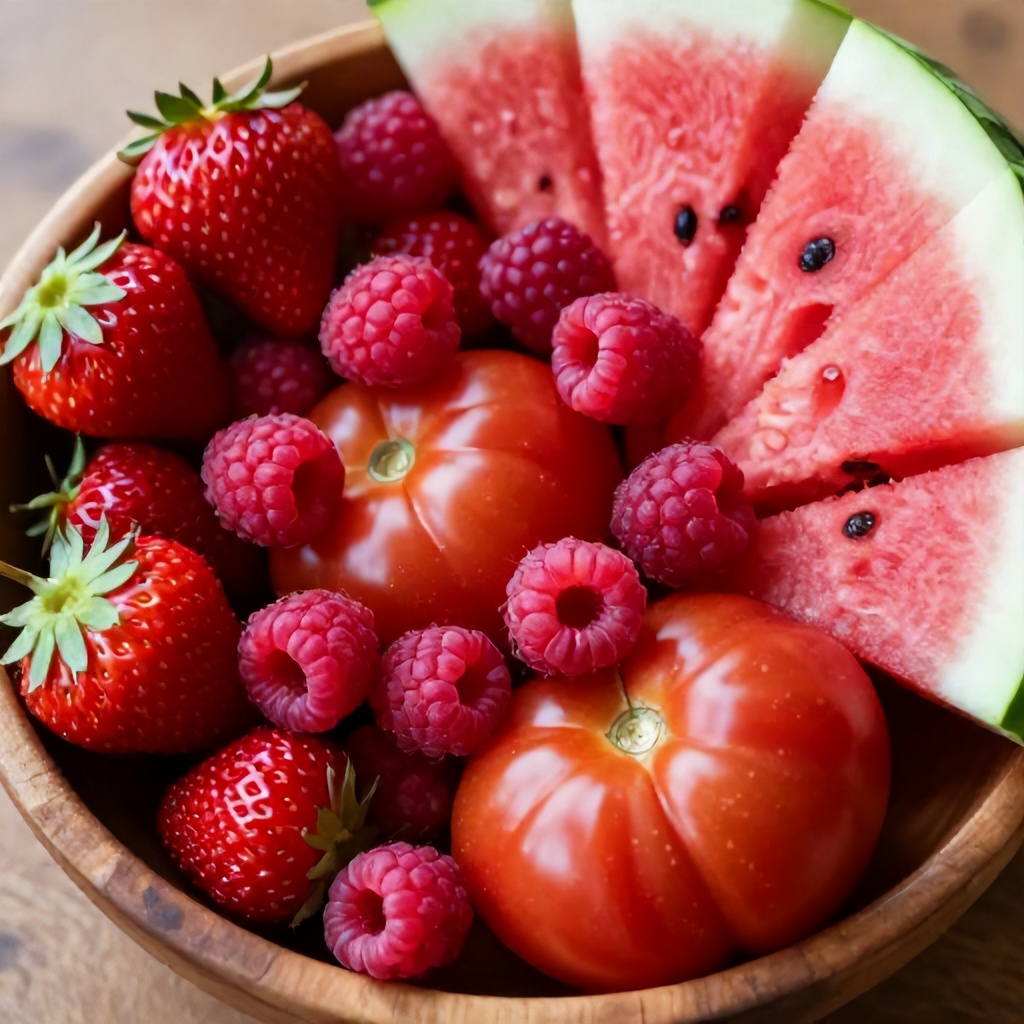
Think about the sheer visual joy a bowl of mixed berries brings, or the satisfying crunch of a fresh bell pepper. This isn’t just about looking good on your plate; it’s a direct reflection of the goodness packed inside. These wholesome foods are nature’s own powerhouses, brimming with vitamins, minerals, fiber, and antioxidants that work tirelessly to keep your body functioning at its best. Incorporating a wide variety of fresh produce into your daily meals is a delicious and accessible way to boost your overall wellness.
The Spectrum of Goodness: Why Color Matters
The vibrant colors of fruits and vegetables are not just for show; they are indicators of the diverse phytonutrients they contain. Each hue signifies a unique set of health-promoting compounds. Understanding this color spectrum can help you ensure you’re getting a broad range of nutritional benefits.
Reds and Pinks: Heart Health Heroes
Think of tomatoes, strawberries, raspberries, watermelon, and red apples. These fruits and vegetables are often rich in lycopene and anthocyanins. Lycopene is a powerful antioxidant linked to a reduced risk of certain cancers and heart disease. Anthocyanins, responsible for the deep red and purple hues, are also potent antioxidants that can help protect your cells from damage and support cardiovascular health. They contribute to healthy blood pressure and circulation.
Oranges and Yellows: Vision and Immunity Boosters
Carrots, sweet potatoes, oranges, mangoes, and bell peppers fall into this category. Beta-carotene is the star here, which your body converts into vitamin A. Vitamin A is essential for good vision, a strong immune system, and healthy skin. Other compounds like vitamin C, abundant in citrus fruits, are also crucial for immune function and act as antioxidants.
Greens: Detoxifiers and Nutrient Powerhouses
Spinach, kale, broccoli, asparagus, and avocados are packed with a variety of nutrients. Chlorophyll, the pigment that gives them their green color, is thought to aid in detoxification. These foods are also excellent sources of vitamins A, C, K, folate, and minerals like iron and calcium. The fiber content in leafy greens and cruciferous vegetables is fantastic for digestive health and can help you feel fuller for longer.
Blues and Purples: Brain and Anti-Aging Allies
Blueberries, blackberries, plums, eggplant, and purple cabbage owe their colors to anthocyanins, the same powerful antioxidants found in red fruits. These compounds are particularly beneficial for brain health, helping to improve cognitive function and memory. They also have anti-inflammatory properties and can play a role in protecting against age-related decline.
Whites and Browns: Immune Support and Beyond
Onions, garlic, cauliflower, mushrooms, and bananas might not be as flashy, but they are incredibly important. Allicin in garlic and onions is known for its immune-boosting and potential anti-cancer properties. Cauliflower and mushrooms offer unique compounds that support the immune system and can contribute to overall wellness. Bananas provide potassium, vital for blood pressure regulation and muscle function.
Culinary Inspiration: Making Produce the Star
Integrating more fruits and vegetables into your diet doesn’t have to be a chore. It can be an exciting exploration of flavors and textures, a chance to get creative in the kitchen. Think beyond the basic salad and steamed broccoli. The possibilities for fruit and vegetable recipes are endless, offering a delicious path to a healthy lifestyle.
Simple Swaps for Big Impact
Start with small, manageable changes. Swap white rice for quinoa or brown rice. Add a handful of spinach to your morning smoothie. Top your yogurt or oatmeal with fresh berries instead of sugary granola. Replace some of the meat in your chili or pasta sauce with finely chopped mushrooms or lentils. These easy substitutions can significantly boost your nutrient intake without drastically altering your meal.
Mastering the Art of Roasting
Roasting vegetables brings out their natural sweetness and creates a delightful caramelized flavor. Toss chopped broccoli, cauliflower, Brussels sprouts, sweet potatoes, or carrots with a little olive oil, salt, pepper, and your favorite herbs. Roast at around 400°F (200°C) until tender and slightly browned. This method works wonders for almost any vegetable and makes for a fantastic side dish or addition to grain bowls.
Smoothie Sensations
Smoothies are a fantastic way to pack a punch of fruits and vegetables into your day. Combine leafy greens like spinach or kale with fruits like bananas, berries, or mangoes. Add a liquid base like water, almond milk, or coconut water. For an extra boost, throw in some chia seeds, flax seeds, or a spoonful of nut butter. You can barely taste the greens when they’re blended with sweet fruits!
Vibrant Salads Beyond Lettuce
Don’t limit yourself to just leafy greens. Build a hearty salad with roasted vegetables, grains like farro or couscous, and a protein source like chickpeas or grilled chicken. Incorporate fruits like apples, pears, or pomegranate seeds for a burst of sweetness and texture. A well-dressed salad can be a complete and satisfying meal.
The Beauty of Seasonal Produce
Eating seasonally not only ensures you’re getting the freshest, most flavorful produce but can also be more economical. Farmers’ markets are a treasure trove of seasonal delights. When you buy farm-fresh, you’re often getting fruits and vegetables that have traveled shorter distances, meaning they are picked at their peak ripeness and retain more nutrients.
The Visual Appeal: Food Art and Healthy Choices
There’s no denying the visual appeal of colorful fruits and vegetables. The way they are arranged can make them even more enticing. Think about food photography – the vibrant hues and fresh textures are often the stars. This visual appeal plays a significant role in our willingness to try new foods and incorporate them into our diet.
Imagine a book cover design featuring a spiraling arrangement of bright, fresh produce against a pale background. The bold lettering of the title would pop, drawing the reader in. This aesthetic highlights the natural ingredients and the inherent beauty of healthy food. This visual aspect can inspire us to create equally beautiful and delicious meals.
Even simple plating can make a difference. A colorful medley of roasted vegetables, artfully arranged, looks far more appealing than a haphazard pile. A fruit salad with a variety of shapes and colors can be a stunning centerpiece. This attention to visual appeal can transform healthy eating from a duty into a delight.
Nutritional Benefits: Fueling Your Body
The nutritional benefits of a diet rich in fruits and vegetables are extensive and well-documented. They are the cornerstone of a balanced and healthy eating pattern, supporting everything from your immune system to your mental well-being.
- Fiber Power: Fruits and vegetables are excellent sources of dietary fiber. Fiber is crucial for digestive health, helping to prevent constipation and promoting a healthy gut microbiome. It also plays a role in regulating blood sugar levels and can contribute to feelings of fullness, aiding in weight management.
- Antioxidant Army: The antioxidants found in produce, like vitamins C and E, beta-carotene, and flavonoids, combat free radicals in the body. Free radicals are unstable molecules that can damage cells and contribute to chronic diseases like heart disease, cancer, and aging.
- Vitamin and Mineral Rich: From the vitamin C in citrus to the potassium in bananas and the calcium in leafy greens, fruits and vegetables provide a vast array of essential vitamins and minerals. These micronutrients are vital for countless bodily functions, including energy production, nerve function, and bone health.
- Hydration Station: Many fruits and vegetables have a high water content, contributing to your daily hydration needs. Think of juicy watermelon, crisp cucumbers, and ripe tomatoes.
- Disease Prevention: Consistently consuming a variety of fruits and vegetables is linked to a lower risk of developing numerous chronic diseases, including heart disease, stroke, type 2 diabetes, and certain types of cancer.
Embracing a Plant-Based Diet
For those looking to further enhance their healthy eating habits, exploring a plant-based diet can be incredibly rewarding. This dietary choice emphasizes fruits, vegetables, grains, legumes, nuts, and seeds. It’s not necessarily about strict veganism or vegetarianism but rather about making plants the foundation of your meals.
A plant-based diet naturally encourages the consumption of a wide array of colorful fruits and vibrant vegetables, ensuring a rich intake of nutrients and fiber. It can lead to improvements in cholesterol levels, blood pressure, and overall energy. The culinary inspiration found within plant-based cooking is immense, with creative ways to prepare vegetables and fruits that are both satisfying and delicious.
Tips for Success
Making healthy eating a sustainable part of your life is about creating habits that work for you. Here are a few practical tips:
- Keep it Visible: Store fruits and vegetables at eye level in your refrigerator and on your countertops. If you see them, you’re more likely to eat them.
- Prep Ahead: Wash and chop vegetables at the beginning of the week. This makes it easier to grab them for snacks or add them to meals quickly.
- Experiment with New Foods: Don’t be afraid to try produce you’ve never eaten before. Visit your local farmers’ market and pick out something that looks interesting.
- Make it a Family Affair: Involve your family in meal planning and preparation. Kids are often more likely to eat fruits and vegetables they helped choose or prepare.
- Don’t Aim for Perfection: Healthy eating is a journey, not a destination. Focus on making consistent, positive choices rather than striving for unattainable perfection.
By celebrating the vibrant colors, delicious flavors, and incredible nutritional benefits of fruits and vegetables, you can embark on a fulfilling and healthy eating adventure. These natural gifts from the earth are your allies in achieving a vibrant and energetic life.