What is Tabata Training and How to Perform Bodyweight Workouts at Home

Tabata training is a high-intensity interval training protocol that requires twenty seconds of maximum effort followed by ten seconds of rest, repeated eight times for a total of four minutes. This specific fitness format focuses on pushing the body to its absolute limit to improve both aerobic systems and anaerobic capacity in a very short duration exercise window. Unlike traditional steady state cardio, which involves maintaining a consistent pace for a long period, this method forces your heart rate to spike and recover rapidly. It is intense. It is demanding. It is one of the most efficient ways to build physical conditioning without spending hours at the gym.

The Origin of the Tabata Study

The method takes its name from Dr. Izumi Tabata, a Japanese researcher who conducted a landmark study in 1996 at the National Institute of Fitness and Sports in Tokyo. He worked with the Japanese speedskating team to find a way to improve their performance through high-intensity interval training. The goal was to see if very short bursts of extreme exercise could produce better results than long, moderate sessions. The results were surprising to many in the fitness world at the time.

During the Tabata study, researchers looked at two groups of athletes. The first group performed moderate-intensity endurance training at 70% of their VO2max for sixty minutes, five days a week. They did this for six weeks. This is typical steady state cardio, similar to a long jog or a steady bike ride. Their aerobic capacity improved, but their anaerobic capacity—the ability to perform during short, intense bursts—showed almost no change at all.
The second group followed the interval training protocol that we now call Tabata. They performed seven to eight rounds of twenty seconds of work at a staggering 170% of their VO2max. This was followed by ten seconds of rest. They did this four days a week, plus one day of moderate exercise. Over the six-week period, this group saw a much larger increase in aerobic capacity than the first group. Even more impressive, their anaerobic capacity increased by 28%. They achieved these results with only two hours of total exercise over six weeks, while the first group spent thirty hours exercising. Efficiency is the primary draw here.

Understanding VO2max and Metabolic Conditioning

VO2max represents the maximum amount of oxygen your body can use during intense exercise. It is a gold standard for measuring cardiovascular endurance. When you perform a bodyweight workout at 170% of your VO2max, you are working well beyond your body’s ability to provide oxygen to your muscles. This creates an oxygen debt. Your body must then work overtime after the workout is finished to restore its balance. This process is often called metabolic conditioning.

This high level of exercise intensity is what separates true Tabata from standard HIIT. Many bootcamp classes use the 20/10 timer, but they do not always reach the required intensity. To get the benefits seen in the original study, you must give maximum effort during those twenty seconds. You should feel completely spent by the end of the four minutes. If you can easily carry on a conversation afterward, you likely haven’t reached the necessary intensity level.

What is Tabata?

Tabata is a specific interval training protocol consisting of 20 seconds of work and 10 seconds of rest for 8 rounds. It aims to improve both aerobic and anaerobic energy systems through maximum effort.

How to Perform a Bodyweight Workout at Home

One of the best things about this training style is that it requires no fitness equipment. You can do a full home workout in your living room using just your own weight for resistance. This makes it a perfect cardio component for people with busy schedules or limited space. Because the rounds are so short, you can focus entirely on your form and speed.

To start, choose one or two exercises. You might pick burpees, mountain climbers, or air squats. Set a timer for four minutes. Perform the first exercise as fast as you can for twenty seconds. Stop for ten seconds. Repeat this until you have completed eight work intervals. The simplicity of the workout routines is what makes them so popular for people transitioning from Pinterest to a home gym setup.

  1. Warm up for five to ten minutes with light movement like jumping jacks or jogging in place.
  2. Select an exercise that uses large muscle groups to ensure a high heart rate.
  3. Perform 20 seconds of work at 100% effort.
  4. Rest for 10 seconds.
  5. Repeat for 8 rounds total.
  6. Cool down and stretch to help your heart rate return to normal.

The Pizza Interlude: Fueling and Fun

Something about cooking dinner on the grill makes it so much more exciting. After a hard workout, a good meal is a great reward. Like family pizza night, it brings everyone together. I recently made pizza on the grill, and it was a total hit. Fun in the oven, party on the grill.

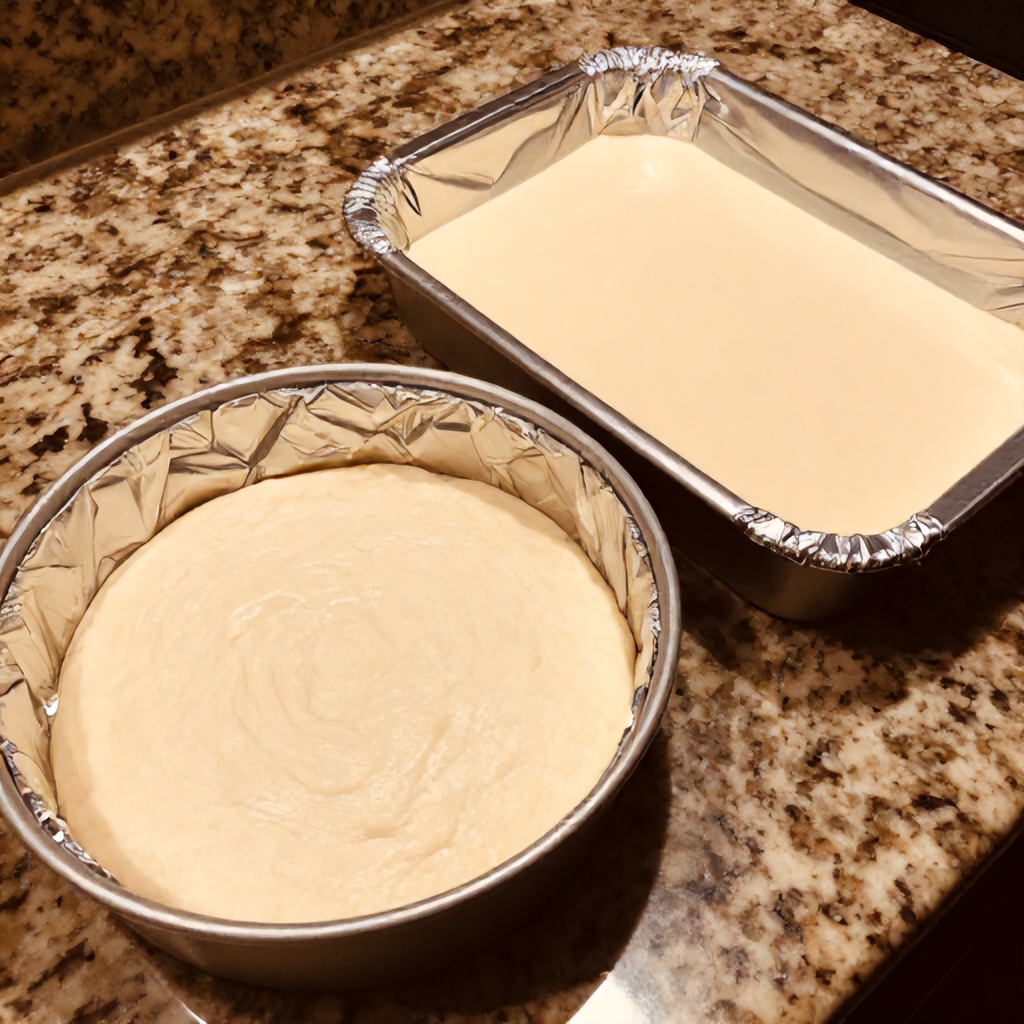
After making cinnamon rolls this weekend, the last thing I wanted to do was mess around with yeast and dough. I even contemplated a brown rice tortilla for my pizza crust. However, when I saw that the Bob’s Red Mill dough only took 20 minutes to rise, I decided to go for it. Something about bread-making, yeast, and dough is intimidating, even though it really is NBD. I froze half the dough for our next pizza night. My husband, the Pilot, used pre-made dough from the deli section at Sunflower Market.

I oiled and garlicked the dough, then added my favorite toppings. I used sauce, mushrooms, peppers, onions, tomatoes, oregano, olives, and anchovies. I also added the sad last little bit of goat cheese for myself. The Pilot grilled it to perfection. I enjoyed mine with a simple green salad. It was pizza perfection. You can find more grilled pizza ideas online if you want to change up your post-workout routine.

Pro Tip: Intensity Matters

If you are not gasping for air by the fourth or fifth round, you need to increase your speed. The 20 seconds of work must be performed at maximum effort to see the metabolic benefits found in the original Tabata study.

Choosing Exercises for Your Home Workout

Not every exercise is a good fit for this interval training protocol. Since the goal is cardiovascular endurance and high exercise intensity, you should choose movements that involve the whole body. Bicep curls or calf raises will not get your heart rate high enough. Instead, look for compound movements that challenge your physical conditioning.

Burpees are a classic choice because they hit every major muscle group. High knees are another excellent option for a cardio component. If you want to focus on your lower body, try jump squats or lunges. For upper body and core, mountain climbers or fast-paced push-ups work well. The key is to move as quickly as possible without sacrificing your form. Safety is always the priority, even when you are moving at high speeds.

  • Burpees
  • Mountain Climbers
  • Jump Squats
  • High Knees
  • Sprints
  • Box Jumps (if you have a sturdy surface)
  • Speed Skaters

The Benefits of Short Duration Exercise

Time is the biggest barrier for most people when it comes to fitness. Tabata removes that excuse. A four-minute block is easy to fit into a lunch break or right after waking up. Even if you include a warm-up and a cool-down, the entire session takes less than fifteen minutes. This makes it much easier to stay consistent with your workout routines over the long term.

Beyond the time savings, the physiological benefits are significant. By training your anaerobic capacity, you become better at handling high-intensity tasks in everyday life. Whether you are running to catch a bus or playing with your kids, your body becomes more efficient at producing energy without oxygen. The aerobic systems also benefit, meaning your overall heart health improves just as much as it would from a much longer, slower workout.

Common Mistakes to Avoid

Many people confuse any HIIT workout with Tabata. If the work intervals are longer than twenty seconds or the rest periods are longer than ten seconds, it is interval training, but it is not the Tabata protocol. Sticking to the 20/10 timing is essential for the specific hormonal and metabolic responses triggered by this method. Do not give yourself extra rest just because you are tired.

Another mistake is skipping the warm-up. Because the exercise intensity is so high, jumping straight into a Tabata set can lead to injury. Your muscles and joints need to be warm and lubricated before you ask them to move at 100% effort. Spend a few minutes doing dynamic stretches or light cardio before you start the timer. Your body will thank you later.

Safety First

Tabata is extremely taxing on the heart and nervous system. If you have any underlying health conditions or are new to exercise, consult a doctor before trying this high-intensity format. Start with a lower intensity and work your way up to maximum effort.

Integrating Tabata into Your Routine

You do not need to do Tabata every day. In fact, doing it too often can lead to burnout or overtraining. Because it is so intense, two or three times a week is usually enough to see significant gains in cardiovascular endurance. You can use it as a standalone workout when you are short on time, or add it to the end of a strength training session as a “finisher.”

Many bootcamp classes use this format to end a session on a high note. It leaves the participants feeling energized and accomplished. If you prefer working out alone, there are many free apps and timers specifically designed for this 20/10 rhythm. They will beep to tell you when to start and stop, so you can focus entirely on the movement. This takes the guesswork out of your home workout and keeps you honest with your timing.

Physical conditioning is a long-term project. While the Tabata study showed rapid results, those results came from consistent effort. Whether you are using it to boost your VO2max or just to add some variety to your week, the 20 seconds of work followed by 10 seconds of rest remains a powerful tool. It is simple, it is fast, and it works. Grab a timer, find a small space on the floor, and give it your all for four minutes.

Tabata Supersets and Rowing Sprint Gym Workout

Combining Tabata supersets with challenging rowing sprints creates an incredibly effective and efficient workout that targets your entire body, building both strength and endurance in a short amount of time.

Why This Workout Delivers Big Results

This dynamic workout structure isn’t just about moving; it’s about maximizing every minute you spend exercising. It strategically blends two powerful training methods: high-intensity interval training (HIIT) through Tabata and full-body cardio sprints on the rowing machine. The result is a comprehensive fitness regimen that pushes your limits and delivers significant benefits.

The Power of Tabata Training

Tabata training is a specific form of high-intensity interval training, or HIIT, designed to torch calories and boost your cardiovascular fitness. It involves short bursts of intense exercise followed by even shorter rest periods. For each Tabata set in this workout, you will push yourself hard for 20 seconds, then rest for just 10 seconds. You repeat this cycle eight times, totaling four minutes per exercise pair. This intense, quick-fire approach keeps your heart rate elevated, leading to a phenomenon known as EPOC (Excess Post-exercise Oxygen Consumption), or the “afterburn effect,” where your body continues to burn calories at an elevated rate long after your workout finishes. It’s a fantastic way to improve both anaerobic and aerobic capacity, making it a cornerstone of many effective home fitness routine plans.

The Benefits of Rowing Workouts

The rowing machine offers a unique full body workout, engaging over 85% of your muscles with every stroke. It’s not just a leg workout; it powerfully recruits your core, back, shoulders, and arms. Incorporating cardio sprints on the rower, specifically 500-meter bursts, is an excellent way to build explosive power, improve cardiovascular endurance, and challenge your mental grit. Rowing is also a low-impact exercise, making it gentler on your joints compared to running, while still providing an intense cardiovascular challenge. Mastering proper rowing machine workout form is key to harnessing these benefits and preventing injury.

Workout Supersets for Efficiency

Pairing two exercises back-to-back without rest in between, known as a superset, keeps your heart rate up and maximizes your time. In this workout, each Tabata superset alternates between two specific exercises, ensuring continuous movement and metabolic demand. This strategy is fantastic for people with busy schedules who want to get the most out of their gym equipment.

Essential Equipment for Your Workout

To perform this workout effectively, you’ll need a few key pieces of gym equipment. Most of these are standard in any well-equipped gym, and some can even be adapted for at-home workouts.

  • Rower: A cornerstone of this routine, any standard rowing machine will work. Focus on consistent performance.
  • Step Bench: This can be a gym step bench, a sturdy low box, or even a robust, stable chair if you’re doing a home fitness routine. Ensure it can safely support your weight for jumps and steps.
  • Kettlebell: For kettlebell exercises like the KB Swings, you’ll need a kettlebell. I used a 35lb kettlebell, but choose a weight that allows you to maintain good exercise form for all 20-second intervals. If you don’t have a kettlebell, a dumbbell can be a suitable substitute for swings, though the mechanics are slightly different.
  • Exercise Mat: Essential for floor exercises like the Crunch to V-Up, providing comfort and grip.
  • Interval Timer App: This is absolutely crucial for Tabata training. I rely on the “Interval Timer” app on my phone, which is very user-friendly. Dedicated Gymboss timers are also excellent if you prefer a separate device.
  • Cross-Training Shoes: Wearing appropriate footwear, like Nike MetCon DSX Flynit 2 sneakers or similar cross-training shoes, provides the stability and support needed for dynamic movements, jumps, and lifting, which differs from the cushioning required for running shoes.

Your Full Workout Breakdown

This workout alternates between challenging 500-meter rowing sprints and intense Tabata supersets. The goal with the rowing sprints is to maintain or improve your pace with each consecutive sprint. For each Tabata superset, you will perform two different exercises, alternating between them for eight rounds of 20 seconds of work and 10 seconds of rest. Remember to prioritize proper exercise form throughout.

Warm-Up (5-10 minutes)

Before you jump into the main workout, always perform a dynamic warm-up. This prepares your muscles and joints for the intense work ahead, reducing the risk of injury. Start with light cardio like jogging in place or jumping jacks for 2-3 minutes. Follow with dynamic stretches such as arm circles, leg swings, torso twists, and cat-cow stretches.

The Main Workout

Follow this sequence, pushing hard during your work intervals and focusing on quick transitions during your short rest periods.

  1. 500m Row Sprint

    Start strong but smart. Your goal is to complete the 500 meters as fast as possible while maintaining excellent rowing form. Focus on a powerful leg drive, engaging your core, and then pulling with your arms. Don’t go 110% on the first one if you want to beat your time on subsequent sprints. Record your time.

  2. Tabata Superset 1

    • Bench Squat Jacks: Begin standing with your feet together, facing a sturdy step bench. Quickly jump your feet wide, landing with your toes pointing slightly out and your hips sinking into a squat, tapping the bench with your glutes if possible. Immediately jump your feet back together. Keep your chest up and core engaged. This is a fantastic bodyweight exercise that elevates your heart rate quickly.
    • Surfer Get-Ups: Start in a plank position. In one fluid motion, jump your feet forward and to one side, landing in a low lunge or squat position as if you’re popping up on a surfboard. Your hands should lift off the ground. Immediately jump back to the plank position, then repeat to the other side. Focus on core stability and a powerful, controlled jump.

    Perform 20 seconds of Bench Squat Jacks, rest 10 seconds. Then 20 seconds of Surfer Get-Ups, rest 10 seconds. Repeat this sequence four times for a total of eight rounds (four rounds per exercise).

  3. 500m Row Sprint

    Push yourself to match or beat your time from the first sprint. Remember your rowing machine workout technique: legs, core, arms on the drive; arms, core, legs on the recovery. Maintain a strong, consistent stroke rate.

  4. Tabata Superset 2

    • KB Swings (Kettlebell Swings): Stand with your feet shoulder-width apart, kettlebell on the floor slightly in front of you. Hinge at your hips, keeping a flat back, and grab the kettlebell with both hands. Hike the kettlebell back between your legs, then explosively drive your hips forward, squeezing your glutes to swing the kettlebell up to chest height. It’s a hip-driven movement, not an arm lift. Control the descent as the kettlebell swings back between your legs. These kettlebell exercises are phenomenal for posterior chain strength.
    • Logger Jumps: Imagine an invisible line or a small log on the floor. Stand with feet together on one side. Jump laterally over the “log” with both feet, landing softly on the other side. Immediately jump back. Keep your knees soft and use your arms for momentum. This is a quick, agile movement that works your lateral stability and quickness.

    Perform 20 seconds of KB Swings, rest 10 seconds. Then 20 seconds of Logger Jumps, rest 10 seconds. Repeat this sequence four times for a total of eight rounds.

  5. 500m Row Sprint

    This is your final rowing sprint. Dig deep and aim to match or beat your previous times. Focus on consistent power and a strong finish. Every stroke counts in these cardio sprints.

  6. Tabata Superset 3

    • Crunch to V-Up: Lie on your back with arms extended overhead and legs straight. Perform a controlled crunch, lifting your head and shoulders off the mat. From there, continue the movement by simultaneously lifting your legs and torso to meet in a V-shape, touching your toes if possible. Slowly lower back down with control. This bodyweight exercise challenges your entire core.
    • Bench Jump Burpees: Start standing behind your step bench. Perform a standard burpee: hands to the floor, jump feet back to plank, chest to floor (optional), jump feet back to hands. Instead of jumping straight up, explosively jump onto the bench with both feet, landing softly. Step or jump back down. This is a high-intensity full body workout move.

    Perform 20 seconds of Crunch to V-Up, rest 10 seconds. Then 20 seconds of Bench Jump Burpees, rest 10 seconds. Repeat this sequence four times for a total of eight rounds.

Cool-Down (5-10 minutes)

After such an intense workout, a proper cool-down is essential. Spend 5-10 minutes on static stretching, holding each stretch for 20-30 seconds. Focus on major muscle groups worked: hamstrings, quads, glutes, chest, back, and shoulders. This helps improve flexibility and aids in recovery.

Support Our Content!

Enjoying these workouts and fitness tips? Consider becoming a Patron to help us create more helpful content! You’ll also get access to our latest YouTube videos and can follow us on Facebook for daily motivation. We also share insights on web hosting and domain names for those looking to start their own online journey, and highlight our most popular posts.

Tips for Maximizing Your Workout Regimen

To get the most out of this Tabata supersets and rowing sprint gym workout, keep these practical tips in mind:

  • Focus on Form: Always prioritize proper exercise form over speed or the number of reps. Incorrect form can lead to injury and reduce the effectiveness of the exercise. If you’re unsure, watch videos or consult a fitness professional.
  • Listen to Your Body: High-intensity interval training is demanding. If you feel sharp pain, stop immediately. It’s okay to modify exercises or take extra rest if needed. Consistency over perfection is key.
  • Stay Hydrated: Drink plenty of water before, during, and after your workout. Hydration is vital for performance and recovery.
  • Track Your Progress: Keep a log of your rowing sprint times and perhaps the number of reps you complete during each 20-second Tabata interval. Seeing your improvements is a powerful fitness motivation and helps you push harder next time.
  • Modify as Needed: This workout is adaptable. If a kettlebell is too heavy, use a lighter one or a dumbbell. If Bench Jump Burpees are too much, step up onto the bench instead of jumping. For home fitness routine enthusiasts, many bodyweight exercises can be substituted for gym equipment-dependent ones.
  • Consistency is Key: Incorporate this full body workout into your regular workout regimen 2-3 times a week, allowing for rest days in between. Regularity is what drives results.

This challenging combination of Tabata training and rowing workouts is an excellent way to boost your fitness, burn calories, and build strength. Give it a try and feel the burn!

10 Ways to beat running boredom

1. Run with a friend
Running should never be a wretched experience be fun, and running with a friend can definitely boost the fun factor. In fact having a running buddy might be better for brain health than running solo. Buddying up makes your run more social and stimulating. You can chat, take it in turns to set the pace and even make up your own games as you run. Running with a friend also exerts positive social pressure, as you’re less like to skip out on your run if someone is relying on you to turn up.

Tip: For a running partnership to be successful, you should be of a similar level of fitness, have similar running goals and be prepared to committed – no standing up your running buddy or turning up late for workouts!

2. Change your route
Running the same route over and over almost guarantees your workout will become boring with time. Rather than do the same old loop every time you run, look for new running routes and even drive to new areas to enjoy a change of scenery and stimulate your senses. Check out running websites for your local area, which will have tips from other runners about great running locations. No need to do a ton of legwork in seeking out new running routes if someone has already done all the hard work for you.

Tip: Look for different environments in which to run – for example, if you normally run on the roads, try off road routes. If you usually run on the flat, go for hillier terrain. Not only will changing running surface and terrain make your runs more interesting, it will also make you a better runner and challenge your body a different way.

Exit mobile version