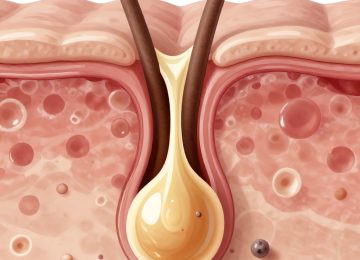
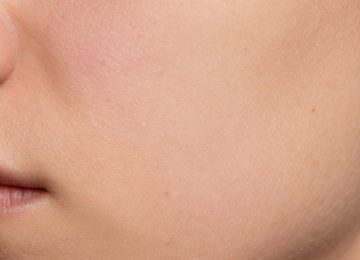
Visible blackheads and pores are a completely normal part of human facial skin, often becoming more apparent under the unforgiving lens of close-up photography, revealing the intricate and natural landscape of our skin surface.
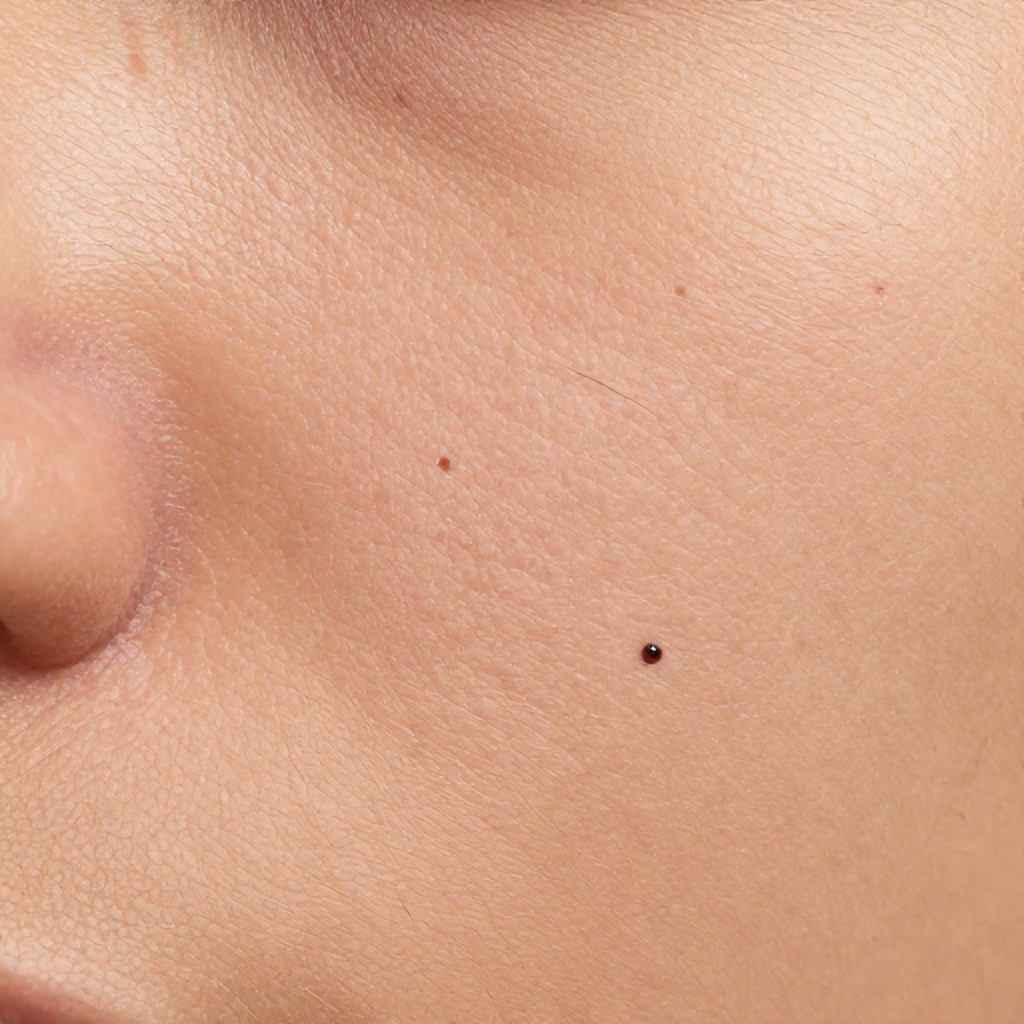
Understanding the Basics of Your Skin’s Surface
Our skin is an amazing organ, full of tiny structures that perform vital functions. When we talk about a close-up view of facial skin, we’re really looking at the epidermal texture and the openings of countless small ducts and follicles. These aren’t flaws; they are the functional architecture of healthy skin.
Pores are essentially the tiny openings of hair follicles and sebaceous glands onto the skin surface. Every single hair on your body, even the fine, almost invisible vellus hair on your face, emerges from a follicular opening. These openings are where sebum, your skin’s natural oil, is released to keep the skin moisturized and protected. The size and visibility of these follicular openings can vary greatly from person to person and even across different areas of the face.
Blackheads, on the other hand, are a specific type of skin imperfection known as an open comedone. They form when a hair follicle becomes clogged with a mixture of dead skin cells and excess sebum. Unlike whiteheads, which are closed comedones trapped beneath the skin, blackheads have an opening to the skin surface. The dark color isn’t dirt; it’s the result of the trapped sebum and cellular debris oxidizing when exposed to air, much like how a cut apple turns brown.
The Role of Close-Up Photography
Modern technology, especially macro photography, has given us an unprecedented look at the skin’s surface. What appears smooth to the naked eye can look entirely different under a high-magnification lens. This close-up photography often highlights every minute detail, from fine lines and subtle variations in skin texture to individual vellus hair strands and, of course, the visibility of pores and blackheads. It’s important to remember that these magnified views are not how others perceive your skin in daily life; they are a dermatological view, often used in medical photography for diagnostic purposes or in product efficacy studies.
Why Pores and Blackheads Become Noticeable
Several factors contribute to the visibility of pores and blackheads on facial skin. It’s a complex interplay of genetics, skin type, and environmental influences. Understanding these factors can help in managing their appearance.
Genetics and Skin Type
Your genetics play a significant role in determining your natural pore size and how much sebum your sebaceous glands produce. Individuals with naturally oily skin types, for instance, tend to have more active sebaceous glands, which can lead to larger, more noticeable follicular openings and a higher propensity for clogged pores and blackheads. This is particularly true in the T-zone – the forehead, nose, and chin – where sebaceous glands are more concentrated.
Age and Environmental Factors
As we age, our skin loses elasticity. This loss of collagen and elastin can cause the skin around pores to loosen, making them appear larger and more stretched. Sun damage also contributes to this breakdown of collagen, further exacerbating the appearance of enlarged pores. Environmental pollutants and improper skin care routines can also contribute to the accumulation of dead skin cells and debris, leading to more visible clogged pores and blackheads.
A Deeper Dive into Blackheads: Open Comedones
Blackheads are a very common form of skin blemish, often appearing as tiny, dark spots on the skin. They are not just a cosmetic concern but an indicator of specific processes happening within the hair follicles.
Formation and Appearance
The journey of a blackhead begins deep within the pore. The sebaceous gland, attached to the hair follicle, produces sebum. When this sebum mixes with dead skin cells that haven’t shed properly, it can create a plug within the follicular opening. Because this plug is open to the air, the melanin in the dead skin cells and the lipids in the sebum undergo oxidation, turning the surface of the plug dark. This is why they are called “blackheads” and not “dirt plugs.”
These open comedones are most frequently observed on the nose, chin, and forehead – areas collectively known as the T-zone. They can also appear on the cheeks, especially in the perinasal area (around the nose) and sometimes even on the malar area (cheeks). Under macro photography, a blackhead will typically appear as a dark, often slightly raised, dot with a distinct opening.
Understanding Pore Visibility and Skin Texture
The term “pore visibility” refers to how easily you can see the follicular openings on your skin. It’s not just about their actual size, but also how light interacts with the skin surface and the overall epidermal texture.
Enlarged Pores vs. Normal Pores
All skin has pores; they are essential for skin health. However, some individuals experience what are commonly referred to as “enlarged pores.” This can be due to several factors:
- Increased Sebum Production: More oil means the pore needs to expand to accommodate the flow.
- Clogged Pores: Accumulation of dead skin cells and sebum can stretch the pore walls.
- Decreased Skin Elasticity: As mentioned, collagen and elastin loss can make pores appear more open.
- Hair Follicle Size: Some individuals naturally have larger hair follicles, especially where terminal hairs (thicker hairs) are present, though most facial pores contain vellus hair.
The skin texture around these follicular openings also plays a role. Smooth, even skin might make pores less noticeable, while rougher or uneven dermal texture can make them stand out more.
Light and Shadow on the Skin Surface
The way light hits your facial features significantly impacts how visible pores appear. Shadows cast by slightly raised pore edges or the slight depressions around them can make them seem larger. This is particularly evident in close-up photography, where subtle shadows are exaggerated, highlighting every skin imperfection. A smooth, well-hydrated skin surface tends to reflect light more evenly, making pores appear less prominent compared to dry or rough skin.
Sebaceous Filaments: The Common Imposter
It’s very common to confuse sebaceous filaments with blackheads, especially on the nose and chin. While they might look similar under a close-up view, they are fundamentally different and require different approaches.
What are Sebaceous Filaments?
Sebaceous filaments are naturally occurring, tube-like structures that line the inside of your pores. Their job is to channel sebum from the sebaceous gland to the skin surface. They are made up of sebum and dead skin cells, just like blackheads, but they are a normal and healthy part of your skin anatomy. Everyone has them, especially in areas like the T-zone where oil production is higher.
Distinguishing Them from Blackheads
- Appearance: Sebaceous filaments typically appear as tiny, greyish or yellowish dots, often uniformly distributed across an area like the nose. They are usually flat with the skin surface. Blackheads, conversely, are distinctly dark (black or dark brown) and often have a more prominent “plug” appearance, sometimes slightly raised.
- Composition: Filaments are mostly sebum; blackheads are sebum mixed with oxidized dead skin cells, creating a darker, more solid plug.
- Removal: If you gently squeeze a sebaceous filament (which is not recommended), a thin, worm-like strand of sebum might emerge. A blackhead would yield a darker, more solid plug. Sebaceous filaments will always refill because they are a structural component of the pore, whereas a blackhead is a clog that can be cleared.
Understanding this distinction is key to proper skin care. You cannot “get rid” of sebaceous filaments because they are a natural part of your skin’s function. The goal is to manage their appearance, not eliminate them.
Practical Approaches for Managing Visible Pores and Blackheads
While you can’t permanently shrink your pores or stop sebaceous filaments from forming, you can significantly improve the appearance of visible pores and effectively manage blackheads. A consistent and gentle skin care routine is paramount.
Gentle Cleansing
Start with a mild, non-comedogenic cleanser twice daily. This helps remove excess oil, dirt, and makeup without stripping your skin. Over-washing or using harsh cleansers can irritate the skin and paradoxically trigger more oil production, potentially worsening clogged pores.
Smart Exfoliation
Regular exfoliation is one of the most effective ways to address clogged pores and blackheads. Chemical exfoliants are generally preferred over harsh physical scrubs, which can cause micro-tears in the skin.
- Beta Hydroxy Acids (BHAs): Salicylic acid is a BHA that is oil-soluble, meaning it can penetrate into the pore lining to dissolve the mixture of sebum and dead skin cells that cause blackheads. It’s excellent for reducing the appearance of blackheads and sebaceous filaments.
- Alpha Hydroxy Acids (AHAs): Glycolic acid and lactic acid are AHAs that work on the skin surface to loosen and shed dead skin cells. While they don’t penetrate as deeply into pores as BHAs, they improve overall skin texture and clarity, making pores appear less noticeable.
Incorporating Retinoids
Topical retinoids, such as retinol or prescription tretinoin, are powerful ingredients for managing blackheads and improving pore visibility. They work by increasing cell turnover, which helps to prevent dead skin cells from accumulating and clogging pores. Retinoids also stimulate collagen production, which can improve skin elasticity and make pores appear smaller over time. Start slowly with retinoids, as they can cause initial irritation.
Clay Masks for Oil Absorption
Clay masks, particularly those containing bentonite or kaolin clay, can be beneficial. They absorb excess oil and draw out impurities from the pores, providing a temporary reduction in the appearance of blackheads and oily skin. Use them once or twice a week for best results.
Consistent Moisturizing
Even oily skin needs moisture. Using a lightweight, non-comedogenic moisturizer helps maintain a healthy skin barrier and prevents your skin from overcompensating by producing more oil. Well-hydrated skin also looks plumper and smoother, which can minimize the appearance of pores.
Sun Protection is Non-Negotiable
Daily use of a broad-spectrum sunscreen with an SPF of 30 or higher is vital. Sun damage breaks down collagen and elastin, contributing to enlarged pores and overall skin aging. Protecting your skin from UV radiation helps maintain its structure and prevents further pore enlargement.
Professional Treatments
For persistent blackheads or concerns about skin texture and pore visibility, a dermatologist can offer advanced solutions. These might include professional extractions, which are performed safely to remove stubborn blackheads, or chemical peels that use higher concentrations of AHAs or BHAs to deeply exfoliate the skin. Laser treatments can also be considered for improving skin texture and reducing pore size.
What to Avoid When Dealing with Visible Pores and Blackheads
Just as important as knowing what to do is understanding what practices can actually worsen the situation.
- Harsh Scrubbing: Aggressive physical exfoliants or scrubbing too hard can irritate the skin, damage the skin barrier, and potentially lead to more inflammation and breakouts.
- Aggressive Squeezing or Picking: Trying to extract blackheads or sebaceous filaments yourself can push debris deeper into the pore, cause trauma, introduce bacteria, and lead to infection, scarring, or post-inflammatory hyperpigmentation. Leave extractions to trained professionals.
- Over-drying the Skin: Using harsh astringents or alcohol-based products can strip the skin of its natural oils, leading to dryness and irritation. This can cause the skin to produce even more oil to compensate, creating a vicious cycle of oiliness and clogged pores.
- Ignoring Sun Protection: Skipping sunscreen not only contributes to aging but also exacerbates pore visibility by damaging the collagen and elastin that keep skin firm around the pores.
When to Consult a Dermatologist
While many visible pores and blackheads can be managed with a consistent at-home routine, there are times when professional guidance is beneficial. If you experience persistent, severe blackheads, inflammatory acne alongside comedones, or if your skin imperfections are causing significant distress, seeking a dermatological view is a smart step. A dermatologist can accurately diagnose your skin concerns, differentiate between various skin blemishes, and recommend tailored treatments, including prescription medications or in-office procedures that are not available over-the-counter. They can also provide insights from medical photography to track progress and ensure the most effective care for your unique facial skin.