Skin texture and hyperpigmentation are not flaws to be erased but are fundamental components of dermatological authenticity. Your face is a living, breathing organ, not a filtered image on a screen. Embracing the natural topography of your skin means shifting the focus from total uniformity to overall dermal health. When you stop trying to achieve a plastic-like finish, you gain the freedom to appreciate the unique pigment spots and epidermal details that make your face yours.
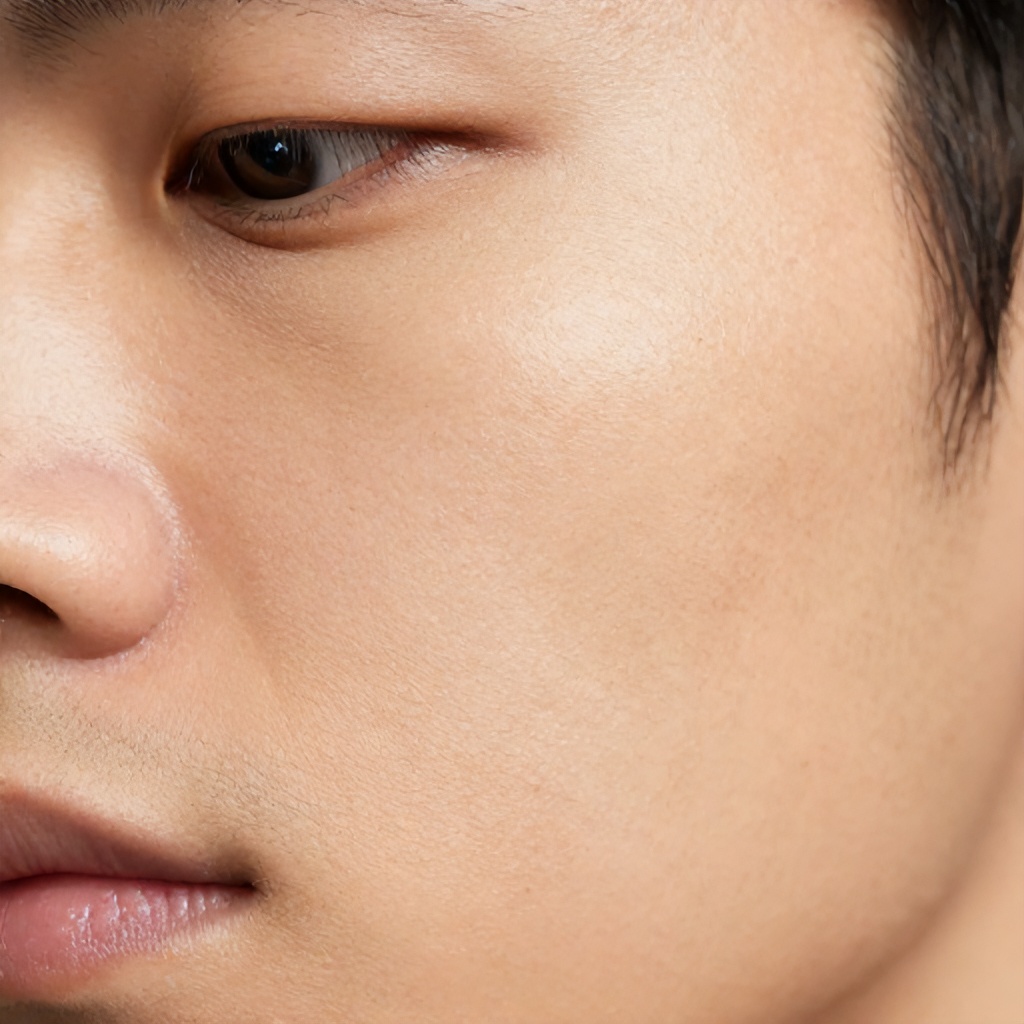
Understanding the Reality of Skin Surface Characteristics
Every human face possesses a unique landscape. Pores, fine lines, and subtle bumps are part of the standard anatomy of human skin. These elements are often obscured by heavy foundations or aggressive retouching, leading to a distorted perception of what healthy skin actually looks like. Real skin has a grain. It has a specific way of catching the light, and it changes throughout the day based on hydration, temperature, and movement.
Skin texture is essentially the physical surface quality of your complexion. It is influenced by genetics, age, and environmental exposure. When you look at close-up portraiture, you see the reality of skin surface characteristics—the tiny valleys and peaks that allow your skin to stretch and flex. Trying to smooth these away with heavy silicone-based primers often results in a cakey appearance that highlights the very texture you intended to hide. Instead, working with your natural skin topography allows for a more breathable, comfortable, and aesthetic realism.
The Role of Melanin Distribution
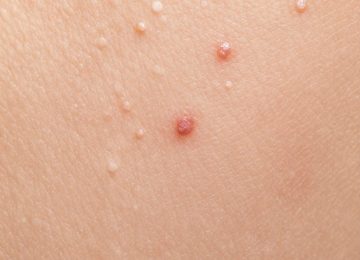
Hyperpigmentation is a natural response to melanin distribution. It is the skin’s way of protecting itself from ultraviolet light. Freckles, sun-induced pigmentation, and post-inflammatory marks are common features that appear on almost every complexion. These variations in skin tone are not signs of damage in the sense that they need to be vanished; they are markers of your skin’s history. Acknowledging these spots as part of your natural beauty helps reduce the anxiety associated with minor color shifts.
Melanin is not distributed in a perfectly even layer across the body. It clusters. It reacts to sun exposure. It changes during hormonal shifts. When you view your skin through the lens of skin positivity, you stop seeing these clusters as errors. You begin to see them as part of the visual interest of your face. This shift in perspective is the foundation of a more sustainable and kinder beauty routine.
Building a Routine That Honors Your Skin
A routine that honors your skin focuses on barrier support rather than aggressive correction. Many people damage their skin barrier by over-exfoliating in an attempt to achieve a glassy, texture-free look. This leads to inflammation, which in turn causes more hyperpigmentation. A healthy routine is about balance, hydration, and protection.
- Prioritize gentle cleansing to remove debris without stripping natural oils.
- Apply humectants like hyaluronic acid or glycerin to damp skin to lock in moisture.
- Use a moisturizer that supports the lipid barrier, containing ceramides or fatty acids.
- Apply broad-spectrum SPF every single morning, regardless of the weather.
- Incorporate antioxidants like Vitamin C or niacinamide to support overall skin clarity.
This approach respects the raw skin texture. By keeping the barrier intact, your skin remains plump and resilient. When the skin is hydrated, fine lines appear softer, and the overall complexion looks more radiant. You are not fighting your skin; you are providing it with the tools it needs to function optimally.
Choosing Products for Authentic Skin
When selecting products, look for textures that mimic the skin’s natural finish. Heavy, matte foundations often sit on top of texture, emphasizing every pore. Tinted moisturizers, skin tints, or sheer mineral sunscreens allow your natural skin tone variation to show through. This creates a soft focus photography effect in real life. You want products that enhance your complexion, not ones that mask it.
Avoid ingredients that cause excessive dryness or irritation. If a product makes your skin feel tight or itchy, it is likely compromising your barrier. Look for labels that emphasize soothing ingredients like centella asiatica, colloidal oatmeal, or panthenol. These ingredients help calm the skin and reduce the redness that can make hyperpigmentation appear more pronounced than it actually is.
The Psychology of Skin Positivity
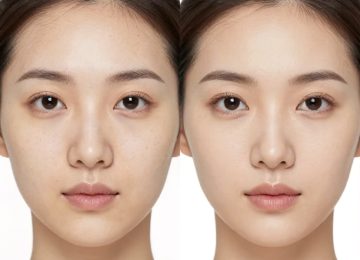
The way we view our facial features is heavily influenced by digital media. We are constantly bombarded with images that have been smoothed, blurred, and color-corrected. This creates a false standard of beauty that is impossible to maintain in real life. Practicing skin positivity involves actively choosing to look at unfiltered images of real people. When you see the pores, the freckles, and the natural lines on others, it becomes easier to accept them on yourself.
Neutral lighting is your best friend when learning to appreciate your skin. Harsh, overhead lighting creates deep shadows that exaggerate texture and make every spot look darker. Natural, diffused light—like the light near a window—shows your skin as it truly is. In this light, you can see the health and the glow of your skin. You can see the way your skin tone variation adds depth to your features.
Shifting Your Focus to Dermal Health
Dermal health is the long-term goal. It is about how your skin feels, how it heals, and how it protects you. When you focus on health, the aesthetic concerns often resolve themselves. A healthy skin barrier naturally regulates oil production, which minimizes the appearance of enlarged pores. A well-hydrated face naturally reflects light, creating a radiant look without the need for highlighters or heavy makeup.
Think about the texture of your skin as a sign of life. It is the evidence that you are a living, moving, and expressive person. Every line is a record of a smile, a frown, or a moment of surprise. Every pigment spot is a memory of a sunny day or a healing process. These are not things to be ashamed of. They are the components of your unique facial aesthetics.
Practical Tips for Daily Maintenance
Consistency is more important than intensity. You do not need a ten-step routine to achieve a radiant look. In fact, a simpler routine is often better for those who struggle with sensitivity or texture issues. Focus on the basics: cleanse, hydrate, protect. If you want to address specific concerns like hyperpigmentation, do so with patience. Topical treatments take weeks or months to show results. Rushing the process with harsh chemicals will only lead to further irritation.
- Use lukewarm water for washing your face; hot water strips essential oils.
- Pat your skin dry with a clean, soft towel rather than rubbing it.
- Apply your skincare products in order of consistency, from thinnest to thickest.
- Give each product a minute or two to absorb before moving to the next step.
- Keep your makeup brushes and sponges clean to prevent bacterial growth.
These small habits contribute to the overall clarity of your complexion. They help maintain the integrity of your skin surface characteristics. When you treat your skin with care, it responds by looking more vibrant and healthy. You will find that you need less coverage over time, which allows your natural beauty to shine through even more clearly.
Embracing the Change in Perspective
Acceptance does not mean giving up on your skin. It means changing the motivation behind your actions. You are not fixing a broken face; you are caring for a vital part of your body. This shift in mindset reduces the stress that can actually contribute to skin issues like breakouts or dullness. When you are relaxed and confident, your skin reflects that state of being.
The journey toward embracing your natural skin is personal. There will be days when you feel more self-conscious, and that is okay. The goal is not to be perfect every day, but to be kind to yourself every day. Look in the mirror and identify one thing you like about your skin. Maybe it is the way your freckles catch the light, or the softness of your cheeks. Focus on those positive aspects.
The Beauty of Variation
Skin tone variation is what gives a face its character. A perfectly uniform face can look flat and lifeless. The subtle shifts in color—the pinks, the browns, the tans—create a sense of depth and dimension. This is why professional makeup artists often use multiple shades of foundation to mimic the natural variation of real skin. You already have that dimension naturally.
When you stop trying to hide your pigment spots, you allow your face to look more balanced. Heavy makeup can sometimes make hyperpigmentation look gray or ashy. By using sheerer products, you allow your natural undertones to harmonize with your skin tone. This creates a much more natural and radiant look that complements your features rather than competing with them.
Long-Term Strategies for Radiant Skin
Radiance comes from within, but it is supported by external habits. Nutrition, sleep, and hydration play a massive role in how your skin looks. Eating a diet rich in antioxidants, healthy fats, and vitamins provides the building blocks your skin needs to repair itself. Drinking enough water ensures that your skin cells are plump and hydrated. Getting enough sleep allows your body to undergo its natural repair processes.
These lifestyle factors are the foundation of dermal health. They are the things that make the biggest difference in the long run. No amount of expensive serum can replace the benefits of a good night’s sleep or a balanced diet. When you prioritize these things, you are investing in your skin’s future. You are setting the stage for a complexion that looks radiant and healthy for years to come.
Final Thoughts on Aesthetic Realism
Aesthetic realism is about celebrating the truth of our appearance. It is about recognizing that we are all human, and that our skin is a reflection of our humanity. When we embrace our natural texture and hyperpigmentation, we are reclaiming our beauty from the unrealistic standards of the digital age. We are choosing to be comfortable in our own skin, and that is the most radiant look of all.
Take the time to observe your skin in different lights. Notice how it changes. Notice how it moves. Appreciate the way it protects you and the way it tells your story. Your skin is not a canvas to be painted over; it is a masterpiece that is constantly evolving. Treat it with the respect and kindness it deserves, and you will find that your natural beauty is more than enough.
The path to a radiant look is not found in a bottle or a procedure. It is found in the way you perceive yourself. It is found in the daily choices you make to support your skin’s health. It is found in the quiet confidence that comes from knowing you are enough, exactly as you are. Keep your routine simple, keep your expectations realistic, and keep your focus on the health and vitality of your skin.
Remember that your skin is a living organ, and it is meant to have texture. It is meant to have spots. It is meant to change. These are not flaws; they are the marks of a life well-lived. By embracing these characteristics, you are not just accepting your skin; you are celebrating it. You are stepping into a version of beauty that is authentic, sustainable, and entirely your own.
As you move forward, continue to prioritize the health of your skin barrier. Avoid the temptation to chase trends that promise instant, unrealistic results. Trust in the process of gentle, consistent care. Your skin will thank you for it, and you will find that the radiant look you have been searching for has been there all along, waiting to be seen and appreciated.
The beauty of natural skin is that it is never static. It is always changing, always adapting, and always growing. This is the beauty of life itself. When you align your beauty routine with this reality, you find a sense of peace and satisfaction that no amount of makeup can provide. You are free to be yourself, and that is the ultimate form of radiance.
Stay curious about your skin. Learn what it likes and what it does not. Pay attention to how it feels after a long day or a good workout. Use this information to refine your routine, not to judge your progress. Every day is an opportunity to learn more about your skin and to deepen your relationship with it. This is the essence of a healthy, positive, and beautiful life.
Finally, remember that your worth is not tied to the appearance of your skin. You are more than your pores, your lines, or your pigment spots. You are a complex, multi-dimensional person with a unique story to tell. Your skin is just one part of that story. When you hold onto this perspective, you can navigate the world of beauty with confidence and grace, knowing that you are always enough.