Fitness types are obsessed with numbers. If it’s not our bench press max or 5K time, it’s our body fat percentage or arm girth. We want hard evidence that we’re getting fitter, faster, stronger.
But there’s a fundamental flaw in the lab-rat approach to fitness. We may think we’re the Terminator in the gym, but we’re not cyborgs. We’re organic beings, and our bodies rarely respond to training predictably from one day, workout — or even set — to the next.
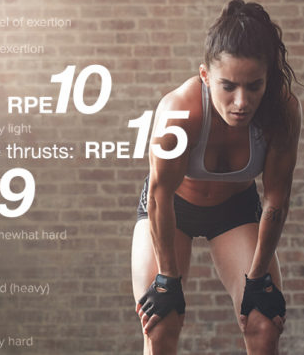
How to measure the output of such fickle creatures? One such means is the Borg Rate of Perceived Exertion Scale, or RPE.
Workout. The hardest part of it is right there in the word itself: work. When it comes to fitness, some of the most common reasons given for not doing it include:
A lack of time
A lack of motivation
No knowledge of how to start
And I get it! With any new commitment, there’s a bell curve of excitement. You start in the “I’ve got this!” phase, where you are all in, mentally and physically. For workouts, that means you get the equipment and the apparel, pay for gym or studio memberships, and start setting your alarm early every morning to go get your sweat on.
A few days or weeks in, that enthusiasm starts to wane. You’re tired. You’re sore. Maybe you’re not seeing results as quickly as you’d like. So you start to skip a workout or two. When you do go, you don’t put in a full effort, so you start to see diminishing returns.
Hopefully, something happens that pulls the curve back up. Otherwise, that curve is more like a steep drop-off that leaves you where you started (or worse), feeling disappointed and defeated.
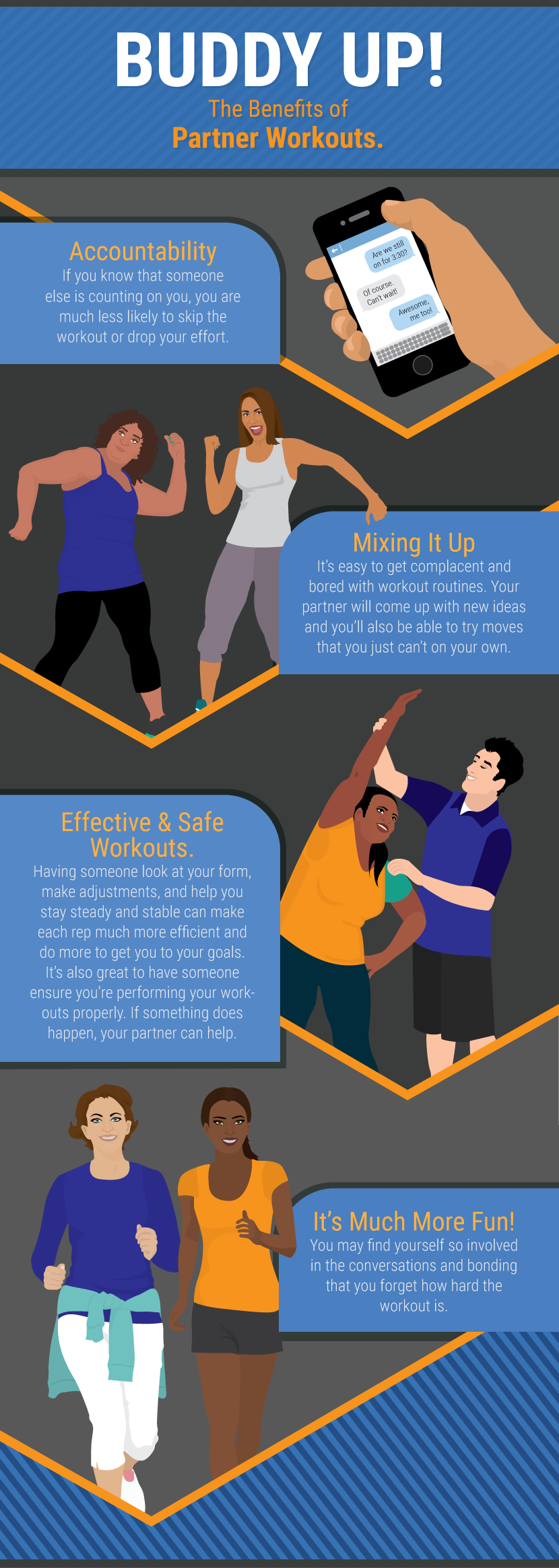
Enter: partner workouts! They tackle all of the challenges of working out and then some.
1. 3 Way Lunges (backward, forward, side) x 10 on each side
2. Sumo Squats x 10 – make sure to maintain a wide stance with toes pointed out 45 degrees
3. Good Mornings x 10 – finished with short sprints
*Complete 2-3 sets for max results
You will be amazed by with the benefits you will receive when adding these exercises to your normal workout routine. Incorporating the Kinetic Bands allows you to activate more muscles in your legs, hips, glutes, and lower core while increasing your cardio endurance. The resistance bands help target the areas you want to work on most, saves time, and you won’t believe the results you will see from adding this simple piece of functional equipment to any fitness workout!
Performing squats with resistance is an intense and explosive way to train the muscles to endure and become more powerful. Notice in this video how the Kinetic Bands are intensifying each exercise causing the muscles to react and contract during each movement. Building this type of muscle power increases strength and endurance while toning and firming the targeted areas. This is definitely the ultimate dynamic fitness workout that is sure to get your day started with energy and motivation!
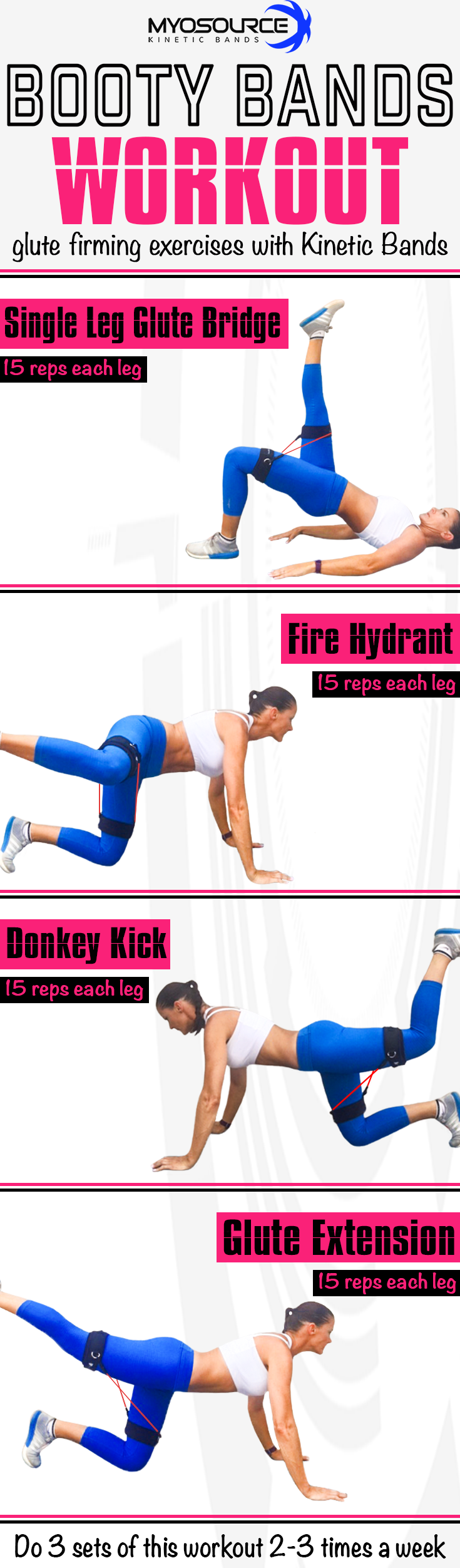
BOOTY BANDS WORKOUT: GLUTE FIRMING EXERCISES WITH KINETIC BANDS
Complete this workout 2-3 times per week
SINGLE LEG GLUTE BRIDGE: The single leg glute bridge is a lower body exercise that targets the glutes, hamstrings, and core. Along with strengthening those muscles, it also helps build power and stamina. There are many different variations of this exercise, all of which help to improve posture, decrease lower back pain, and strengthen your core muscles.
Sets: 3-5
Repetitions: 15-20 (Each Leg)
How To
1. Start lying on your back with your knees bent and your feet flat on the ground, hip-width apart.
2. Tighten your abdominals as you lift your hips off the ground, while pushing through your heels. At the top of the bridge, raise one leg straight up with a slight bend in the knee. (Hold this position for 3 seconds).
3. Slowly lower your hips down (just above the ground), then raise them back up and hold the position for 3 seconds. Important: When lowering your hips, do not change the position of the leg in the air. Your extended leg should remain up with a slight bend in the knee for the first half of the set.
4. Repeat with the same leg. Once you have finished the 15 reps, switch legs and repeat the exercise with the opposite leg.
Exercise Variation – Glute Bridge: (Beginner)
Instead of raising one leg in the air, keep both feet flat on the ground and pulse with your hips only. Once you have mastered this version, then move on to the single leg glute bridge.
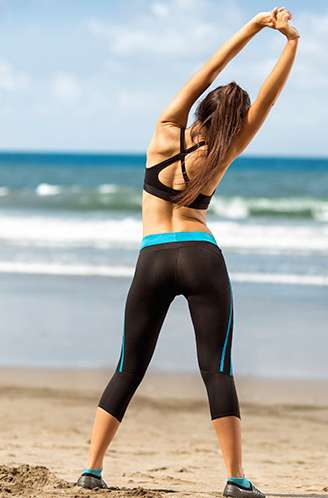
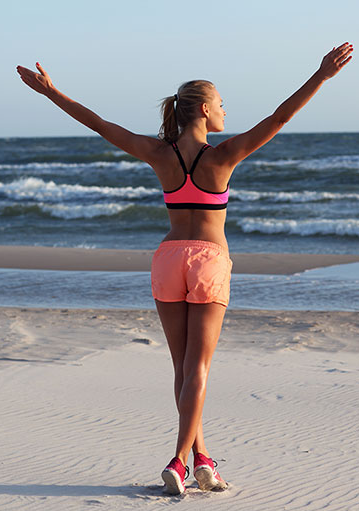
The beach is a great workout location; fresh air, lots of space, plenty of free vitamin D (research suggests lack of vitamin D is linked with weight gain), unstable and constantly shifting sand to make your workout more demanding and the sea for yet more workout opportunities and somewhere to cool off when you’re done.
Follow these tips to make your beach workout as safe and effective as possible.Check the sand for hazards.Before you start your workout, do some beach combing and look for any potential dangers. Look for hazards such as sharp shells, broken glass, tin cans, driftwood. If you are in any doubt, move to a different part of the beach and keep your shoes on.Wear the right clothes. Wear your old beaten up workout gear. Beach workout gear is exposed to heaps more wear and tear than regular workout clothes. Sand can stain light colored clothing a yellow. Sun and salt water can bleach your clothes and leave them hard and rough. Not cool. As for your kicks, shock-absorbing running shoes aren’t ideal because the yielding sand is already massively shock-absorbing – it’s partly what makes exercising on sand so challenging. Working out barefoot at the beach is seriously effective – it activates more muscles in your feet and improves proprioception. However, if you’re not 100-percent certain that the sand is clear of potentially injurious hazards, or you need extra support, wear shoes.
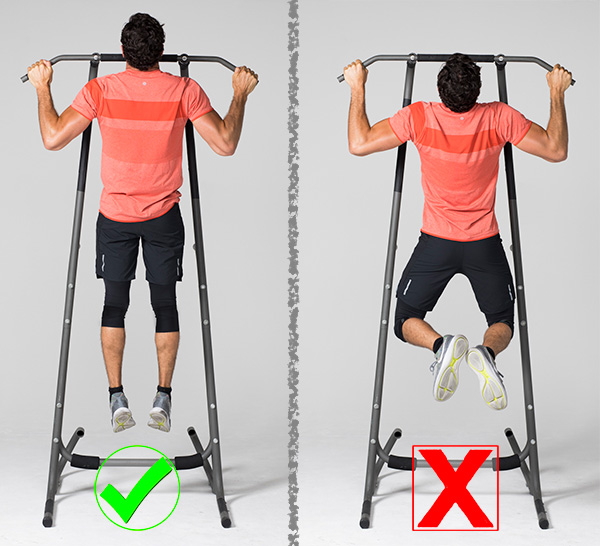
Beyond sheer power and brute strength, gifted athletes are masters of body mechanics: weight distribution, fluidity, efficiency. But when you look around the average gym, you see a whole lot of the exact opposite: wasted motion, lousy alignment, shoddy body mechanics, and poor overall form on even the most common exercises.
Never mind that these weight lifters may be getting a pump or a burn in their muscles — they’re also practicing bad movement patterns that can eventually lead to diminishing results at best, and poor posture, bad alignment, and physical harm at worst.
Below are seven common exercises that most weight lifters get wrong — along with how you can clean up your technique on each. Follow our tips and you’ll not only build more muscle and athleticism, but you’ll also improve proprioception — your sense of body position and alignment — which can reduce your risk of injury and enhance athletic performance.